More Vision & Eye Care Articles
Exploring the Various Types of Glaucoma and Their Impact on Vision
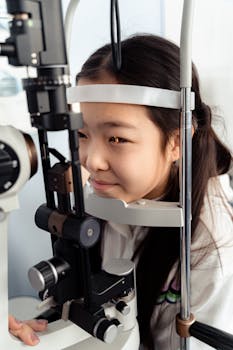
Glaucoma is a group of eye conditions that can cause damage to the optic nerve, often linked to high intraocular pressure. This article explores the various types of glaucoma and how they impact vision, aiming to provide a better understanding of this complex eye disease.
Understanding the Different Types of Glaucoma
Primary open-angle glaucoma is the most common form, characterized by gradual vision loss with few early symptoms. Acute angle-closure glaucoma, on the other hand, presents suddenly with severe eye pain, nausea, and visual disturbances, requiring immediate medical attention.
Other types include normal-tension glaucoma, where optic nerve damage occurs despite normal eye pressure, and secondary glaucoma, which arises due to other medical conditions like diabetes or cataracts.
Primary Open-Angle Glaucoma
This type of glaucoma develops slowly and is often asymptomatic until significant vision loss occurs. Regular check-ups are crucial for early detection, as treatment can slow progression but cannot reverse damage.
Angle-Closure Glaucoma
Also known as narrow-angle glaucoma, this condition requires urgent care to prevent severe vision loss. Symptoms include sudden eye pain, headache, halos around lights, and blurred vision. Immediate treatment can include medications or surgery to relieve pressure.
Normal-Tension Glaucoma
In this condition, optic nerve damage occurs despite normal eye pressure levels. It may be linked to poor blood flow to the optic nerve, emphasizing the importance of regular eye exams for early detection and management.
Secondary Glaucoma
Caused by other health conditions or eye injuries, secondary glaucoma may develop from inflammation, medications, or abnormal blood vessel growth. Managing underlying causes is essential for treatment.
Innovative approaches to glaucoma management, including integrative medicine strategies, are being explored to enhance patient outcomes. For more information, visit our article on holistic medicine vs. traditional medicine.
The Impact of Glaucoma on Vision
All types of glaucoma can lead to irreversible vision loss if not detected and treated early. This vision impairment can significantly affect daily life, leading to challenges with reading, driving, and recognizing faces.
Visual field tests are an essential aspect of diagnosing glaucoma, allowing ophthalmologists to assess peripheral vision. Early treatment can prevent further damage and maintain quality of life.
Treatment Options for Glaucoma
Treatments vary depending on the type and severity of glaucoma. Medications to lower eye pressure are commonly prescribed, while laser therapy or surgery may be necessary in more advanced cases.
It’s crucial for patients to adhere to prescribed treatments and attend regular eye appointments to monitor changes and adjust therapy as needed.
The Importance of Regular Eye Exams
Early detection of glaucoma is vital for preventing vision loss. Individuals over the age of 40, or those with a family history of glaucoma, should consider regular comprehensive eye exams.
During these exams, eye care professionals assess intraocular pressure, optic nerve health, and visual fields, ensuring prompt diagnosis and intervention if necessary.
For additional resources on eye health and glaucoma management, the Wikipedia Health overview is a valuable starting point for exploring a wide range of topics.
Educating oneself about the different types of glaucoma and their early warning signs can lead to timely diagnosis and treatment, safeguarding vision and enhancing quality of life.
- Glaucoma can cause irreversible vision loss.
- Early detection through regular eye exams is crucial.
- There are multiple types of glaucoma, each with unique characteristics.
- Treatment options vary based on the type of glaucoma.
- Managing eye health enhances overall quality of life.
What is the most common type of glaucoma?
Primary open-angle glaucoma is the most common type and usually develops slowly without noticeable symptoms until significant damage has occurred.
How is glaucoma diagnosed?
Glaucoma is diagnosed through comprehensive eye exams that evaluate intraocular pressure, optic nerve health, and visual fields.
Can glaucoma be cured?
Glaucoma cannot be cured, but its progression can be managed with early detection and proper treatment to prevent severe vision loss.
Who is at risk for developing glaucoma?
Individuals over 40, those with a family history of glaucoma, and certain ethnic groups have a higher risk and should consider regular eye exams.
Is surgery always necessary for glaucoma?
Surgery is not always necessary and is considered when medications and other treatments do not adequately control eye pressure.
Other Articles You May Find of Interest...
- Still wearing contacts every day? When it may be worth asking about LASIK
- What a LASIK consultation can tell you about your eyes
- Can You Use Biotrue Contact Solution as Eye Drops?
- Can You Put a Pimple Patch on a Stye?
- Reading Glasses 101: Signs You Need Them and How to Choose the Right Pair
- Contact Lenses vs. Glasses: What Your Cornea Health Should Decide
- 7 Signs Your Child Needs a Pediatric Eye Doctor Right Away