More Mental Health Articles
Why Stress Management Is Essential for Long-Term Wellness
Many people experience a steady build-up of tension from work demands, personal responsibilities, and constant digital stimulation. When that tension becomes a daily norm, the body and mind begin to feel the weight of fatigue, worry, and frustration. Long-term wellness relies on balance, and that balance becomes harder to maintain when stress lingers without healthy outlets.
Stress management offers a practical path toward stability by helping people gain more control over how they respond to challenges. A thoughtful approach to calming routines, emotional awareness, and healthier reactions can support ongoing vitality. This post explores the key reasons stress management forms a foundation for lasting health and why consistent practice makes a real difference.

The Impact of Stress on Physical Health
Tension affects nearly every system in the body, shaping how people sleep, digest food, and recover from daily strain. When stress remains high, muscles stay tight, breathing becomes shallow, and energy levels decline. Many individuals notice headaches, digestive discomfort, and reduced stamina once their stress levels increase.
The body tries to cope with overstimulation through hormonal shifts that disrupt natural rhythms. Long-term exposure to those shifts can influence heart function, metabolism, and immune response. A steady focus on stress management supports the body’s natural processes by creating moments of rest, slowing down overstimulation, and protecting vital systems from constant strain.
How Stress Shapes Daily Habits and Behavior
Daily routines often shift once tension begins to build, and those shifts can gradually influence long-term wellness. Financial pressure can intensify these changes, with stress caused by debt often adding another layer that disrupts motivation and daily structure. People may skip meals, reduce movement, or turn to short-term comforts that offer brief relief but drain energy.
Productivity patterns might fluctuate, making it harder to maintain consistent sleep or follow steady routines. Small behavioral adjustments made during stressful periods accumulate and create obstacles that extend beyond the moment. Stress management helps counter these patterns by encouraging mindful routines that support balance, clarity, and healthier daily habits.
Stress and Its Influence on Mental Clarity
Mental focus often becomes clouded when tension rises, making routine tasks feel heavier than usual. Many people describe racing thoughts, difficulty staying present, or a sense of being mentally scattered. These shifts in concentration interfere with decision-making, problem-solving, and memory.
When unmanaged, stressful periods can lead to patterns of frustration or self-doubt, which further distort clarity. Stress management practices such as grounding routines, organized time blocks, or mindful breaks help the mind settle. With steadier thoughts and calmer emotional patterns, people experience greater clarity and resilience during demanding periods.
The Link Between Stress and Emotional Stability
Stress influences mood, often creating irritability, impatience, or a heightened sense of vulnerability. Small issues can feel overwhelming once emotional reserves run low. Many people notice they react more sharply to everyday challenges during prolonged tension.
This emotional imbalance affects relationships, personal motivation, and satisfaction with daily life. A structured approach to calming practices leads to steadier emotions and more balanced interactions. By identifying personal triggers and creating healthier outlets for emotional release, individuals can regain stability and reconnect with supportive habits that strengthen their sense of inner calm.
The Role of Stress Management in Preventing Burnout
Burnout emerges when long periods of pressure overwhelm capacity, leaving people emotionally drained and physically exhausted. It often develops gradually, beginning with reduced motivation and ending with complete detachment from responsibilities. Once burnout sets in, recovery becomes harder, and returning to previous performance levels can take substantial time.
Stress management serves as a protective measure that slows the progression toward overwhelm. By incorporating restorative breaks, clearer boundaries, and mindful self-awareness, people reduce the risk of hitting a point where exhaustion limits their ability to function effectively.
Strengthening the Immune System Through Calming Practices
Tension affects the immune system by diverting resources toward handling the body’s stress response. When stress lingers for too long, immune strength begins to weaken. Many individuals notice more frequent colds, slower healing, and heightened sensitivity during stressful stretches.
Calming routines such as gentle movement, deep breathing, and consistent sleep restore balance to internal systems. These practices support the body’s defense mechanisms by reducing strain and fostering an environment where immunity can operate at full capacity. Small, intentional actions each day create a foundation for better long-term health.
How Stress Management Supports Stronger Relationships
Stress often influences communication patterns, listening skills, and patience. People under pressure may withdraw, respond abruptly, or struggle to express thoughts clearly. These reactions can create friction in friendships, partnerships, and workplace connections.
When stress becomes a shared experience within a household or team, tension can spread quickly. Stress management helps individuals communicate with more clarity and emotional steadiness.
By maintaining healthier internal balance, they contribute to more stable and supportive relationships. Regular calming routines encourage deeper understanding, allowing people to approach conversations with more empathy and openness.
Building Resilience Through Consistent Stress Reduction
Resilience grows through repeated experiences of navigating challenges with steadiness and intention. When people learn to recognize signs of rising tension, they can respond early and create space for recovery. This approach transforms stressful situations from overwhelming obstacles into manageable tasks.
Habits such as journaling, structured rest, or mindful pauses teach the mind and body to stay grounded when pressure increases. These habits build emotional strength and confidence. Resilience does not eliminate challenges, but it creates a stronger internal foundation that supports long-term wellness and personal growth.
Why Consistency Matters in Long-Term Wellness
Sporadic calming moments offer temporary relief, but long-term wellness requires ongoing attention to stress levels. Consistency allows healthy routines to shape daily life, turning stress management into a natural part of health care. When calming practices become woven into everyday actions, people experience more stability, improved energy, and steadier mood patterns.
Long-term wellness emerges from repeated acts of self-support that reinforce balance. By committing to regular stress management, individuals create space for vitality, clarity, and sustainable health.
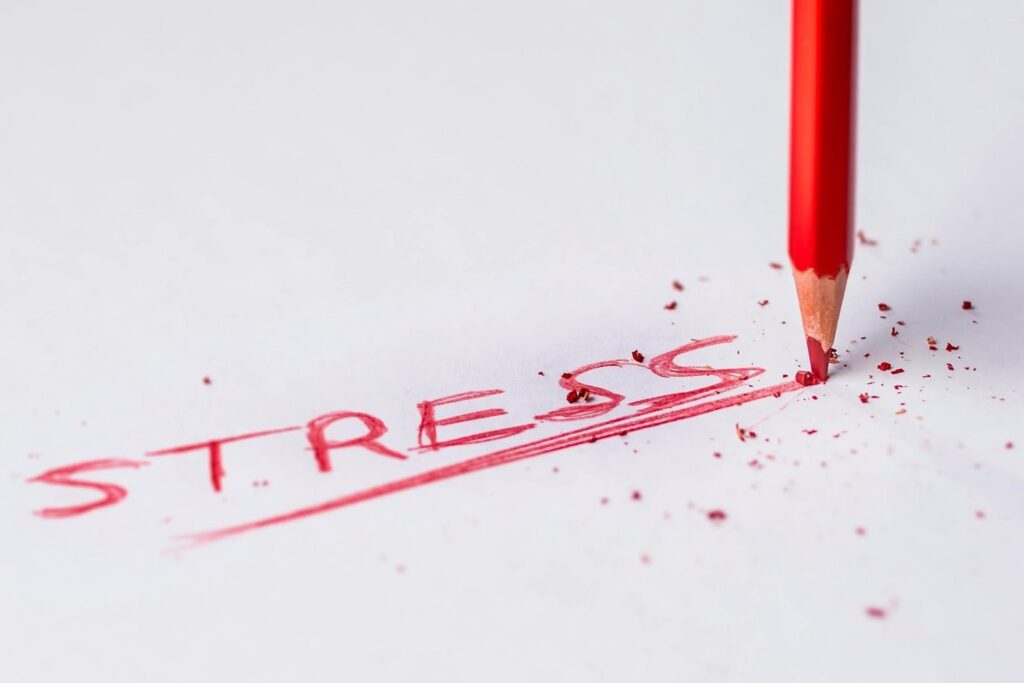
Stress influences every corner of life, and its effects accumulate. Thoughtful stress management helps protect physical health, mental sharpness, emotional stability, and quality of life.
Long-term wellness thrives on balance, and balance grows stronger when people invest in calming routines that restore their energy. Through consistency and intention, stress management becomes a lifelong practice that supports a healthier, more grounded way of living.
Other Articles You May Find of Interest...
- Mental Health: Understanding Your Mind and Finding the Right Support
- Can You Get a Medical Marijuana Card for Anxiety or PTSD?
- How to Find the Right Autism Support in Texas: A Step-by-Step Guide
- Understanding SPRAVATO Treatment for Persistent Depression Symptoms
- Stress and Distraction Can Put Extra Pressure on Everyday Mental Balance
- AuDHD Diagnosis: When Autism and ADHD Overlap
- How to Treat Limerence and Break the Cycle of Obsessive Attachment