






More Weight Control, Nutrition & Exercise Articles
The Carb Content of Tomatoes: What You Need to Know
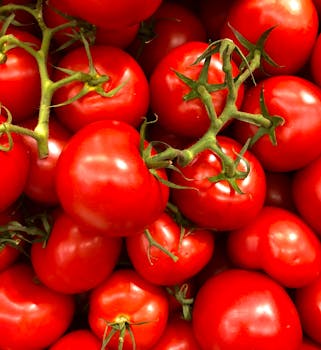
Tomatoes are a beloved ingredient in many dishes, but if you’re watching your carbohydrate intake, you might be wondering how many carbs are in tomatoes. Understanding the carb content of tomatoes can help you make informed choices about including them in your diet.
How Many Carbs in Tomatoes?
Tomatoes are generally low in carbohydrates, making them a great option for those on low-carb or ketogenic diets. A medium-sized tomato typically contains around 4-5 grams of carbohydrates, which includes both fiber and natural sugars. The exact amount can vary based on the type and size of the tomato.
Types of Tomatoes and Their Carb Content
There are several varieties of tomatoes, each with its own nutritional profile:
- Cherry Tomatoes: These small, sweet tomatoes contain about 3 grams of carbs per half-cup serving, making them a convenient, low-carb snack.
- Roma Tomatoes: Known for their thick flesh, Roma tomatoes have about 4 grams of carbs per medium tomato.
- Beefsteak Tomatoes: Larger tomatoes used in salads or sandwiches have about 6 grams of carbs per tomato.
Including tomatoes in your diet can be part of a balanced eating plan. For more information on balanced nutrition, check out our guide on the building blocks of a balanced diet for fitness enthusiasts.
Tomatoes: Nutrition Beyond Carbs
Aside from their carbohydrate content, tomatoes are packed with nutrients and health benefits:
- Vitamins: Tomatoes are rich in vitamin C, vitamin K, and several B vitamins.
- Antioxidants: They contain lycopene, an antioxidant linked to several health benefits, including reduced risk of heart disease.
- Low in Calories: With only about 18 calories per medium tomato, they’re a low-calorie food option.
Carbs in Tomatoes: Preparation Matters
The way you prepare tomatoes can alter their carbohydrate content. For instance, cooking tomatoes may increase their concentration of sugars slightly, because the water content is reduced during cooking. Similarly, when tomatoes are processed into sauces or ketchup, added sugars can increase carb content significantly.
When adding tomatoes to your meals, consider fresh over canned or processed options to maintain lower sugar levels.
Balancing Carbs in Your Diet
Tomatoes can be a versatile component of a low-carb diet. However, it’s essential to balance them with other nutrient-dense foods.
For those managing their carb intake due to conditions like diabetes, understanding how many carbs are in tomatoes helps maintain steady blood sugar levels. Consulting a nutritionist can provide personalized advice suitable for individual health needs.
FAQs About Tomato Carbohydrates
How can I lower carb intake from tomato-based products?
Opt for fresh tomatoes whenever possible. If using processed options like sauce, choose brands without added sugars.
Are there any carbs in tomato skins?
Yes, the skins contain a small amount of fiber, which contributes slightly to the tomato’s total carb content.
How do cooked tomatoes affect carbohydrate counts?
Cooking reduces water content, making carbs slightly more concentrated, but the difference is minimal compared to added sugar in processed forms.
Is tomato good for low-carb diets?
Yes, tomatoes can be a nutritious part of a low-carb diet, thanks to their low sugar content and high nutrient density.
What other vitamins do tomatoes provide?
In addition to vitamin C, tomatoes offer vitamin K, folate, and potassium, contributing to a well-rounded diet.
Additional Information and Resources
For those interested in learning more detailed information about the health benefits and nutritional content of tomatoes, you might find further insights on health-focused sources like Wikipedia’s comprehensive article on tomatoes.
- Tomatoes are low in carbs, making them suitable for low-carb diets.
- They offer more than just carbs, including vital vitamins and antioxidants.
- Preparation methods can slightly affect their carbohydrate content.
- Select fresh tomatoes to keep sugar intake low.
- Incorporate tomatoes into a balanced diet for optimal health benefits.
By understanding how many carbs are in tomatoes, you can enjoy this delicious fruit while maintaining your dietary goals.
Other Articles You May Find of Interest...
- How To Lose Weight Fast? 12 Expert Tips
- First Month on GLP-1: What Should You Track?
- How Obesity Can Affect Height, Posture, and Growth
- The Drumstick Vegetable Plant: Nutrition and Uses of Moringa
- How Telehealth Is Making Medical Weight Management More Accessible
- Liposuction vs Weight Loss: Understanding the Difference
- Does Dry Brushing Do Anything for Weight Loss?
Featured Doctors and Practices





