More Pain Management & Rehabilitation Articles
Dimethyl Sulfoxide (DMSO): A Natural Solution for Soothing Pain and Swelling
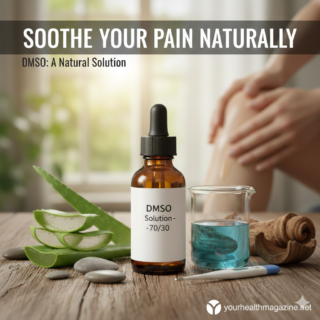
Introduction
I know many of us are always looking for better, natural ways to handle everyday aches and pains. Maybe you woke up with a stiff neck, or perhaps that old athletic injury is flaring up again. Living with persistent discomfort is draining, and it often pushes us to search beyond the traditional medicine cabinet for relief that feels more aligned with a holistic approach to health. I’ve heard countless stories from people who found relief in unexpected places, leading me to investigate a compound that has been gaining serious traction: DMSO.
This substance, known scientifically as Dimethyl Sulfoxide, has a fascinating history in both clinical and alternative health settings. It’s often talked about in whispers among those focused on wellness, recognized for its unique ability to interact with the body, particularly when it comes to combating inflammation and the pain that comes with it. My goal here is to share what I’ve learned about how DMSO works, how to use it safely, and why it might deserve a closer look as part of your personal wellness regimen.
What Exactly Is DMSO and Where Does It Come From?
DMSO is a colorless liquid derived from wood pulp, originally a byproduct of the paper manufacturing process. It’s truly unlike many other compounds we talk about in health and wellness because of its dual nature: it’s both a solvent and an agent with powerful biological properties. This chemical is highly unique because it can mix easily with both water and organic substances, making it incredibly versatile in various applications.
When we talk about health uses, we are discussing a specific, highly purified grade. Its ability to penetrate the skin and cell membranes quickly is what gives it such powerful potential. Many people describe feeling a slight warming sensation when they apply it topically, which is just one indication of how efficiently it is moving into the tissues below the surface. This speed is a key part of why it has become such a favored topic among those searching for fast-acting, localized relief.
A Brief Look at DMSO’s Unique Properties
DMSO has been researched for years because of the way it interacts on a cellular level. It’s not just a surface-level product; it appears to influence biological processes deep within the tissues. I think the most important property to note is its role as a potent scavenger of free radicals, which are unstable molecules that contribute significantly to aging and disease, especially inflammation.
Its chemical structure is also responsible for its reputation as a carrier molecule. Because it moves through membranes so easily, DMSO can sometimes bring other substances along with it, enhancing the action of other topical remedies. This dual function—acting as an effective agent itself while also boosting other products—is why it has such an interesting place in supplementary health.
How DMSO Works in the Body
The mechanics of DMSO are complex, but the results are what really matter. When applied to the skin, it is quickly absorbed and then seems to get to work reducing the communication of pain signals. It appears to mildly block certain nerve fibers, leading to a noticeable reduction in discomfort in the area where it was applied.
Furthermore, its anti-inflammatory effects help by relaxing the walls of blood vessels. This relaxation can improve blood flow to the affected area, which helps in the natural repair processes of the body. Better circulation means nutrients can get in and waste products can get out more efficiently, speeding up recovery from injury or chronic swelling.
Traditional and Modern Uses
Historically, DMSO was first widely used as an industrial solvent. It was its unique ability to permeate skin that led researchers in the 1960s to begin investigating its potential medicinal properties. Early clinical trials focused on its use for interstitial cystitis, an application for which it is still FDA-approved today.
In modern applications, however, its use has broadened considerably, especially in the context of complementary medicine. Today, you often hear people discussing it for conditions ranging from simple sprains and strains to more chronic issues like various forms of arthritis. The sheer breadth of its perceived effectiveness is what keeps the conversation around this remarkable compound going.
Why It Gained Attention in Health Circles
The initial buzz around DMSO was dramatic and rapid. Once its transdermal properties were recognized, people quickly jumped to test its effects on a wide range of human ailments. This enthusiasm often outpaced formal clinical trials, but the anecdotal reports were powerful enough to cement its status in the minds of many health-focused individuals.
It’s important to remember that much of the excitement stems from its quick action. For someone struggling daily with joint pain, finding something that seems to provide relief in a short amount of time can feel revolutionary. This personal experience of rapid change is a driving force behind its continued popularity in the wellness community.
Early Research and Findings
The earliest and most influential research on DMSO was conducted by Dr. Stanley Jacob, a pioneer who truly brought the compound into the medical spotlight. His work in the mid-20th century highlighted its pain-relieving and anti-inflammatory attributes. These findings, while sometimes controversial in their time, laid the groundwork for decades of subsequent inquiry.
Dr. Jacob’s research often focused on its ability to help patients suffering from debilitating, chronic conditions. Although regulatory approval has remained limited, the sheer volume of personal success stories generated by his work and the work of others who followed has maintained DMSO’s visibility as a powerful supplementary health agent.
Targeting Discomfort: DMSO for Joint and Muscle Pain
If you regularly experience stiff joints or sore muscles, you know how much it impacts your daily activities. DMSO is often brought up in these situations precisely because it offers a direct, topical method of relief. Instead of relying only on systemic approaches, applying DMSO directly to the site of the pain allows for concentrated action where it’s needed most.
The way it helps seems to be twofold: reducing the sensation of pain and mitigating the underlying swelling. When used correctly, people often report a feeling of deep relief that seems to penetrate far beyond the surface level of the skin. This makes it an appealing choice for individuals who prefer not to rely solely on oral pain relievers.
Easing Arthritis Symptoms
One of the most talked-about uses for topical DMSO is managing the symptoms of joint conditions like osteoarthritis. Arthritis involves both pain and inflammation, and DMSO appears to tackle both these problems simultaneously. By reducing the local swelling, it can decrease the pressure and irritation within the joint capsule.
For those with chronic stiffness, applying a diluted solution to the knees, hands, or shoulders can sometimes restore a degree of flexibility and comfort that was previously missing. It’s not a cure, but it can certainly be an important part of a multi-faceted strategy aimed at improving daily mobility and quality of life.
Testimonials vs. Clinical Evidence
When looking at the role of DMSO in arthritis care, we see a fascinating split between user reports and large-scale clinical trials. Many individuals swear by its effectiveness, citing major improvements in their ability to move freely and without discomfort. These personal stories are powerful motivators for others to try it.
However, formal studies in humans often yield mixed or inconclusive results, leading to ongoing debate among researchers. I think this gap highlights the need for careful personal experimentation and consultation with a health professional. What works well for one person might not work for another, but the volume of positive testimonials suggests a significant number of people are indeed finding help.
Helping Sports-Related Injuries
It’s not just chronic conditions that can benefit; athletes and active individuals also frequently turn to DMSO for acute injuries. Think about a minor ankle sprain or a muscle strain from a strenuous workout—these injuries involve immediate, painful swelling. Time is of the essence when trying to minimize downtime and speed recovery.
Applying DMSO quickly after a minor injury can sometimes help to manage that initial inflammatory reaction. Its rapid penetration means it can begin working almost immediately to soothe the area and start the process of easing the discomfort that comes with trauma to the muscle or tendon tissues.
Reducing Swelling and Bruising
Bruises and localized swelling are the body’s natural reaction to trauma, but they can be slow to resolve. DMSO’s ability to affect localized circulation and reduce inflammation seems to contribute to a quicker fading of bruises. It’s believed that improving blood flow helps the body reabsorb the pooled blood more effectively.
Moreover, by reducing swelling, you naturally reduce the pain associated with a pressurized, injured area. This allows for a more comfortable period of rest and recovery. This makes it a popular compound to keep on hand for those inevitable small accidents or overexertion incidents that happen in an active lifestyle.
The Important Role of DMSO in Reducing Inflammation
Inflammation is perhaps the single largest target for the use of DMSO in the wellness space. We know that chronic, low-grade inflammation is tied to many long-term health issues, but even acute inflammation from an injury can be debilitating. Finding ways to safely and effectively dial down this process is key to both immediate relief and long-term health maintenance.
The compound doesn’t just mask the feeling of pain; it addresses one of the root causes of discomfort: the body’s overzealous inflammatory response. By helping to modulate this response, it allows the body to focus on healing rather than reacting excessively. This targeted approach to swelling is a cornerstone of its therapeutic appeal.
Scientific Mechanism of Action Against Swelling
The anti-inflammatory effects of DMSO are thought to be related to its interaction with cell membranes and immune cells. It appears to stabilize certain components of the immune system that, when overstimulated, release chemicals that cause pain and swelling. By calming this hyperactivity, it reduces the overall inflammatory cascade.
Furthermore, its free-radical scavenging ability is highly relevant here. Free radicals are heavily involved in the initiation and perpetuation of inflammation. By neutralizing these reactive species, DMSO can help put the brakes on a runaway inflammatory cycle, leading to a natural reduction in heat and swelling in the affected area.
Scavenging Free Radicals
When our bodies are under stress, whether from injury or environmental factors, they generate free radicals. These molecules are missing an electron, making them highly reactive and damaging to our cells and DNA. This damage, in turn, fuels the inflammatory fire.
DMSO has demonstrated a strong capacity to donate electrons, effectively neutralizing these harmful free radicals. This protective action helps preserve the integrity of cell structures, particularly in delicate tissues, and is considered one of the primary ways it earns its reputation as a powerful agent for reducing swelling.
Improving Drug Delivery
The most unique and perhaps most studied characteristic of DMSO is its ability to rapidly permeate biological barriers, including the skin. This property means that it can act as an excellent vehicle, carrying other beneficial compounds deep into the tissue when applied together. This is known as enhanced topical delivery.
This makes it invaluable for compounding pharmacies and researchers who want to ensure a localized application reaches its target effectively. If you’re looking to purchase a quality supply for this purpose, you might look to buy dmso canada from Vitamart, as sourcing pure, high-grade DMSO is essential for topical use.
Enhancing Topical Absorption
The skin is our body’s primary protective barrier, designed to keep things out. While great for protection, this makes delivering topical treatments challenging. Many beneficial compounds simply sit on the surface, unable to reach the deeper layers where pain or inflammation may be rooted.
When mixed with other helpful substances, DMSO temporarily alters the permeability of the skin barrier. This allows for significantly deeper and quicker absorption of the mixed compounds, magnifying their localized effect. This synergistic action is a major advantage when dealing with issues like deep muscle soreness or joint pain.
Knowing How to Use DMSO Safely and Effectively
Because DMSO is such a potent compound with strong penetrating abilities, using it correctly is non-negotiable. I always stress that this is not a substance you should use casually or without basic preparation. The very properties that make it effective—its ability to penetrate the skin—also require us to be extremely mindful of cleanliness and concentration.
The primary rule of safe application is purity and preparation. Always ensure the product you use is medical or pharmaceutical grade. Furthermore, before applying any solution, the skin in the target area must be absolutely clean and free of other lotions, perfumes, or chemicals, as DMSO can carry those substances into your body as well.
The Importance of Proper Dilution
Most health professionals and experienced users strongly advise against applying 100% (undiluted) DMSO to the skin. The undiluted form can cause skin irritation, dryness, and in some cases, a burning sensation. Dilution is key to minimizing irritation while still allowing the compound to be fully effective.
The most common and recommended range for topical applications seems to be between 50% and 70% concentration, mixed with distilled water. If you are new to using it, I suggest starting even lower, maybe around 30% or 40%, and gradually increasing the concentration only if your skin tolerates it well and you are not getting the desired effect.
Finding the Right Concentration
There is no one-size-fits-all concentration for DMSO use, as the best dilution depends on the area of the body and your personal skin sensitivity. Thicker skin areas, like the soles of your feet or your back, may tolerate a higher concentration more easily. Areas with thinner skin, like the face or neck, require a much lower dilution.
Starting conservatively and monitoring your skin’s reaction is the most sensible approach. A little redness or itching can be normal, especially at first, but if you experience pain or persistent rash, you should immediately wash the area and use a more diluted solution next time. Less is often more when first trying this powerful agent.
Prepping Your Skin for Application
As mentioned, skin preparation is perhaps the most vital step in using DMSO safely. Since it can carry substances into the body, you must ensure you are not accidentally introducing harmful chemicals. This means washing the area thoroughly with a mild soap and water and drying it completely before application.
I also recommend doing a small patch test before a full application. This involves applying a small amount of the diluted solution to a dime-sized area of skin and waiting 24 hours to check for any severe reactions. This simple step can save you a lot of discomfort later on.
Necessary Purity Levels
When purchasing DMSO, the term ‘grade’ is very important. You should only ever use high-purity DMSO, sometimes labeled as ‘pharmaceutical grade’ or ‘USP grade.’ Industrial-grade DMSO may contain contaminants that are not safe for human use, especially considering its potent absorption properties.
Always check the label to ensure the product is what is known as 99.9% pure or higher. Using a clean product means you are only getting the beneficial compound and not risking exposure to unknown solvents or impurities that could be detrimental to your health.
Potential Side Effects and Safety Precautions
While DMSO is generally well-tolerated when used correctly and diluted properly, it is not without its unique side effects. Being informed about what to expect and what to watch out for is an essential part of responsible use. Most side effects are minor and manageable, but it’s important to know the difference between a normal reaction and one that requires you to stop using the product.
The most common complaints are usually skin-related, such as dryness, itching, or a mild burning sensation where it was applied. These are often signs that the solution is either too concentrated for your skin or that you need to moisturize the area post-treatment with a bland, clean lotion.
Addressing the Common Garlic Smell
One of the most characteristic—and inescapable—features of using DMSO is the distinct garlic-like odor it produces. This is not due to impurities but is a direct result of how the compound is metabolized by the body. Once absorbed, DMSO is converted into a different compound, dimethyl sulfide (DMS), which is volatile and exits the body via breath and skin.
This odor can be quite strong, and unfortunately, it is unavoidable when using the product, even with topical application. It is important to be aware of this social side effect, as the smell can linger for several hours, or even a day, after application. Planning your application times accordingly is a smart step.
Why the Odor Occurs
The metabolic pathway for DMSO is what creates the odor. Dimethyl sulfide is the culprit; it is a compound with a strong, distinctive smell that resembles garlic or cooked oysters. Since it is expelled through exhalation and sweat, the odor is systemic, meaning washing the application site won’t completely eliminate it.
I suggest keeping this in mind if you have important social engagements shortly after applying it. This is simply a trade-off for using the substance, and it’s something regular users learn to manage. Rest assured, the odor itself is generally harmless, just a noticeable side effect of the compound working its way through your system.
When You Should Not Use DMSO
While many people can use DMSO without major issues, there are certain situations where it should be avoided entirely. If you are pregnant or breastfeeding, I strongly advise against using it, as there is insufficient safety data to confirm its impact on the fetus or infant. It’s always best to err on the side of caution.
Furthermore, individuals with known liver or kidney problems should consult with a physician before beginning use. Since these organs are responsible for processing and eliminating substances from the body, adding a compound like DMSO without medical guidance could potentially complicate existing conditions.
Interaction with Other Substances
Because DMSO is such an effective carrier, it should not be applied at the same time as other medications or creams unless specifically directed by a healthcare professional. There is a risk that it could increase the absorption of those other substances to potentially unsafe levels. This rule applies to both over-the-counter and prescription topical products.
I also recommend being cautious about combining it with systemic medications, particularly blood thinners, as the potential for unforeseen interactions exists. Always treat DMSO with respect and ensure you fully disclose its use to any health professional managing your general health and medication schedule.
Final Thoughts on Integrating DMSO into Your Wellness Routine
Adding any new tool to your personal wellness routine requires careful thought and due diligence. DMSO presents an exciting possibility for localized pain management and combating inflammation, especially for those seeking complementary methods beyond traditional options. Its mechanism of action is unique, offering a level of deep tissue penetration that is hard to match.
For those who lead an active life, or simply face the aches that come with time, having a highly effective topical option can be incredibly empowering. Remember that true wellness is about having a flexible toolkit of solutions. DMSO certainly qualifies as a powerful and interesting addition to that toolkit, provided you approach it with knowledge and respect.
Consulting a Professional
Before making any significant changes to how you manage chronic conditions, I highly recommend discussing DMSO use with a healthcare professional who is open to supplementary approaches. They can help you assess how it might interact with any current medications or conditions you have and help you determine a safe starting concentration.
Finding a practitioner who understands the potential benefits and risks of compounds outside the typical pharmaceutical list is a great asset. Their guidance ensures that you are integrating DMSO in a way that is supportive of your overall health goals, rather than potentially working against them.
Making an Informed Choice
Ultimately, the choice to use DMSO is a personal one, but it should always be an informed choice. Take the time to read about the science, understand the proper dilution ratios, and commit to using only the purest available grade. By following proper safety protocols, you maximize the potential for benefit while minimizing the risks.
My hope is that this detailed look gives you the confidence to explore this unique compound thoughtfully. It represents a fascinating bridge between natural compounds and therapeutic action, offering a compelling alternative for those seeking relief from the daily burdens of pain and inflammation.
Conclusion
We have explored the unique world of DMSO, from its origins as a wood pulp byproduct to its current status as a sought-after compound in the complementary health community. Its ability to penetrate the skin and act as both a pain reliever and a strong anti-inflammatory agent makes it stand out from many other topical remedies available today. I think its potential to help manage chronic aches and aid in recovery from acute injuries is considerable.
The key to successfully using this substance lies in proper preparation and safety awareness. Always prioritize a highly purified grade, ensure proper dilution, and maintain meticulous cleanliness when applying it. By integrating DMSO responsibly and with the guidance of these best practices, you empower yourself with a powerful, fast-acting option to better manage your discomfort and support your body’s natural ability to recover.
Other Articles You May Find of Interest...
- The Multi-Disciplinary Approach to Daily Pain Care
- Why Delayed Neck Pain Should Never Be Ignored
- Car Accident Injuries: Understanding Symptoms, Treatment, and Recovery
- Your Nervous System Is Stuck in Overdrive and Your Headaches Prove It
- Finding the Right Support: A Complete Guide to Knee Braces, Ankle Braces, and Elbow Sleeves
- Effective Pain Relief: Discover the Benefits of Combining Pain Relievers with Muscle Relaxers
- Managing Pain Effectively with 800 mg Naproxen: Benefits and Considerations