More Weight Control, Nutrition & Exercise Articles
Can Creatine Support Weight Loss Goals?
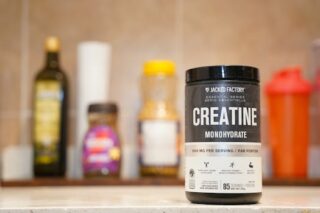
As people search for effective ways to achieve and maintain a healthy weight, the question often arises: does creatine help you lose weight? Creatine is a popular supplement known for its use in enhancing athletic performance and muscle growth. However, its role in weight loss is not as straightforward. This article explores how creatine might support weight management goals and what current research indicates.
Does Creatine Help You Lose Weight?
Creatine is a naturally occurring compound found in muscle cells and is often taken as a supplement to improve performance in high-intensity training. It works by helping muscles produce energy during heavy lifting or high-intensity exercise. So, can creatine help you lose weight? While creatine is not primarily known for weight loss, it may contribute to a healthier body composition, which is a key component of weight management.
Some studies suggest that creatine supplementation may help increase muscle mass while improving body composition. Improved muscle mass can, in turn, enhance metabolic rate, potentially aiding in weight control. However, it’s important to understand that creatine doesn’t directly burn fat.
Those interested in optimizing their diet and exercise routines could consider the importance of a high-protein diet for weight loss to complement any supplementation regimen.
How Creatine Might Affect Weight and Body Composition
Creatine is reported to increase water content in muscle cells, leading to rapid weight gain when first taking the supplement. This is not fat gain, but an increase in intramuscular water, which can make muscles look fuller and more defined. For some, this initial weight increase might be discouraging if their primary goal is to lose weight.
Nonetheless, creatine can help maintain or even increase lean muscle mass during weight loss efforts. Lean muscle is more metabolically active than fat, meaning it burns more calories at rest. This increase in muscle mass can support metabolic function and potentially aid in the loss of visceral fat over time.
In combination with regular exercise, especially resistance training, creatine may enhance fitness results and support weight control efforts without promoting significant fat gain. Additionally, creatine may help improve workout performance, allowing individuals to train harder and more effectively, which could indirectly contribute to weight management goals.
How to Incorporate Creatine Supplementation
When considering creatine supplementation, it is essential to take a strategic approach. A common protocol is to start with a “loading phase,” where one takes 20 grams of creatine per day, split into four 5-gram servings, for five to seven days. After this phase, a maintenance dose of 3–5 grams per day can be used.
Creatine can be taken at any time of the day, but some prefer to take it post-workout to enhance recovery. Drinking sufficient water is important, as creatine draws water into the muscle cells and proper hydration can optimize its effects.
There is no one-size-fits-all solution, and the decision to use creatine should be made based on individual goals, dietary habits, and exercise routines. Consulting with a healthcare or nutrition professional can provide personalized advice and ensure creatine use aligns with your health and fitness objectives.
Considerations and Potential Side Effects
While creatine is generally considered safe for use by healthy individuals, it’s not without potential side effects. Some may experience gastrointestinal discomfort, muscle cramping, or dehydration if proper hydration isn’t maintained. Starting with smaller doses and gradually increasing may help mitigate some of these effects.
Individuals with pre-existing kidney issues or those who are pregnant or breastfeeding should consult with a healthcare provider before starting creatine supplementation. There is ongoing research into the long-term effects of creatine, and staying informed with credible resources is advisable. For further reading on creatine and its impacts, consider reputable sources such as the health article on Wikipedia.
Conclusion: Does Creatine Help You Lose Weight?
Ultimately, does creatine help you lose weight? While it doesn’t directly cause weight loss, it may support your goals by increasing muscle mass, which can improve body composition and metabolic rate. Creatine might be a valuable addition to a well-structured fitness and nutrition plan, particularly for those focused on muscle building and overall health improvement.
- Creatine may support weight loss by improving muscle mass and metabolic rate.
- Initial weight gain from water retention is common but temporary.
- Combining creatine with resistance training may enhance results.
- Consult a healthcare professional to tailor supplementation to individual needs.
- Remaining informed and using credible resources is essential for safe usage.
What is creatine, and how does it work?
Creatine is a compound naturally found in muscle cells. It helps your muscles produce energy during high-intensity exercise or heavy lifting by replenishing adenosine triphosphate (ATP), a molecule that stores and transports energy in cells.
Is it safe to take creatine supplements?
For most healthy individuals, creatine is safe when taken in recommended doses. However, those with kidney issues or other health concerns should consult a healthcare professional before starting supplementation.
Can creatine cause weight gain?
Creatine can lead to initial water weight gain as it draws water into the muscle cells. However, this is temporary and typically balances out with regular use and hydration.
How does creatine affect exercise performance?
Creatine improves exercise performance by boosting energy production in muscle cells, which can enhance strength, recovery, and overall workout efficiency.
Is creatine suitable for everyone?
While many people can benefit, not everyone may require creatine supplementation. It’s most effective for those engaged in activities that demand strength and explosive power. Consulting a professional can help determine if it’s right for you.
Other Articles You May Find of Interest...
- Why Pineapple Makes Your Tongue Sting
- How To Lose Weight Fast? 12 Expert Tips
- First Month on GLP-1: What Should You Track?
- How Obesity Can Affect Height, Posture, and Growth
- The Drumstick Vegetable Plant: Nutrition and Uses of Moringa
- How Telehealth Is Making Medical Weight Management More Accessible
- Liposuction vs Weight Loss: Understanding the Difference