More Pain Management & Rehabilitation Articles
Managing Multilevel Degenerative Disc Disease: Insights into Spinal Health and Wellness
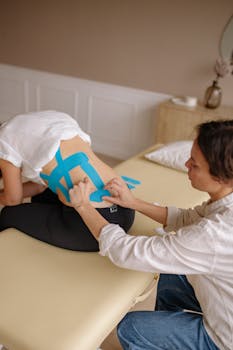
Multilevel degenerative disc disease refers to the progressive wear and tear of multiple discs in the spine. It can lead to symptoms like chronic pain, stiffness, and limited mobility, impacting daily life and overall well-being. Understanding this condition is crucial for those experiencing back pain and seeking ways to manage it effectively.
Understanding Multilevel Degenerative Disc Disease
Multilevel degenerative disc disease occurs when several spinal discs undergo degeneration, which can disrupt their cushioning effect between the vertebrae. Such changes can result in discomfort and can even lead to conditions like herniated discs or osteoarthritis when exacerbated. Early symptoms may include mild back pain, which can become more pronounced over time.
Degenerative changes in the spine can happen due to several reasons, including aging, repetitive strain, and genetic predisposition. It’s essential to evaluate and monitor these changes to manage and mitigate their impact effectively. Many individuals experience multilevel disk degeneration and related issues without realizing the importance of timely intervention.
Symptoms and Diagnosis
The symptoms of multilevel degenerative changes of the spine range from mild discomfort to severe pain, often varying based on the extent of the degeneration. Common indicators may include stiffness, decreased range of motion, and nerve-related pain that radiates to the arms or legs.
Diagnosis typically involves a thorough review of medical history, a physical examination, and imaging tests such as X-rays, MRI, or CT scans. These tools help identify the extent of degeneration and any related spinal conditions, aiding in creating an effective management plan.
Managing Mild Multilevel Degenerative Disk Disease
For those dealing with mild multilevel degenerative disk disease, management often focuses on lifestyle adjustments and non-invasive treatments. Regular physical activity, guided exercises, and maintaining a healthy weight can significantly alleviate symptoms. Additionally, physical therapy is often recommended to strengthen the muscles supporting the spine.
Over-the-counter pain relievers and anti-inflammatory medications can help manage pain levels on a short-term basis. However, it’s essential to consult healthcare providers for personalized treatment strategies and to consider other options like manual therapy or acupuncture. For more innovative therapies on mental health and physical wellness, discover revolutionary therapies.
Advanced Treatment Options
For those with moderate to severe symptoms, advanced treatments may be necessary. Options include epidural steroid injections, nerve blocks, and minimally invasive spine surgery. These interventions aim to reduce pain and improve mobility when conservative methods prove insufficient. It’s always recommended to discuss these options with a specialist who can tailor the treatment approach to suit individual needs.
Lifestyle Changes for Spine Health
Adopting a proactive approach to spinal health is crucial for those experiencing multi degenerative disc disease. Regular low-impact exercises such as swimming, walking, and yoga can improve flexibility and strength. Additionally, focusing on ergonomics in daily activities, like work or home environments, can prevent further strain on the back.
Maintaining a balanced diet rich in anti-inflammatory foods may support overall health and reduce inflammation associated with spinal issues. Omega-3 fatty acids, found in fish and certain seeds, along with a variety of fruits and vegetables, are often suggested in a spine-health-oriented diet.
The Future of Degenerative Disc Disease Management
As research advances, new methodologies for managing multilevel degenerative changes of the spine continuously emerge. Innovative treatments and technologies, like regenerative medicine and genetic therapy, hold promise for future care. Understanding and implementing these advancements can lead to improved quality of life for those affected.
Exploring all available avenues in conjunction with healthcare professionals is pivotal. For general health information and a deeper understanding of spinal health, you can visit a reliable source such as Wikipedia’s health page.
In conclusion, while multilevel degenerative disc disease can present significant challenges, a combination of informed medical treatment and lifestyle adjustments can offer relief. Being proactive and incorporating healthy habits can mitigate symptoms and improve overall spinal health.
- Multilevel degenerative disc disease affects multiple discs in the spine.
- Symptoms can range from mild pain to severe discomfort.
- Treatment options include lifestyle changes, physical therapy, and sometimes surgery.
- Maintaining a healthy weight and exercising can alleviate symptoms.
- Medical advancements continue to provide new management options.
What is multilevel degenerative disc disease?
Multilevel degenerative disc disease is a condition where multiple discs in the spine naturally wear down over time. It often results in pain, stiffness, and compromised movement.
How is multilevel degenerative disk degeneration diagnosed?
Diagnosis typically involves a physical examination, medical history review, and imaging tests like X-rays or MRIs to assess the condition of the discs and spine.
Can lifestyle changes help with multilevel degenerative changes in the spine?
Yes, lifestyle changes such as regular exercise, proper nutrition, and maintaining a healthy weight can help manage symptoms and improve overall spine health.
When should surgery be considered for degenerative disc disease?
Surgery is typically considered when conservative treatments fail to alleviate severe pain or when there is significant nerve compression affecting quality of life.
Are there new treatments for multilevel degenerative disc disease?
Yes, ongoing research and advances in technology are leading to new treatments, including regenerative medicine techniques, that aim to improve spine health and patient outcomes.
Other Articles You May Find of Interest...
- Knee Massager for Muscle Tension Around the Knee What You Need to Know
- What Life Really Looks Like a Year After Spine Surgery
- Gout or Bursitis? Why Joint Swelling Can Look the Same
- Broken Kneecap Recovery: How Long Healing Usually Takes
- The Thumb Grind Test: What Pain During It Can Mean
- Choosing a Trigger Thumb Splint That Actually Supports Healing
- Can Tendons Heal on Their Own? What Recovery Requires