More Pain Management & Rehabilitation Articles
How Cannabis is Helping Patients Manage Chronic Pain
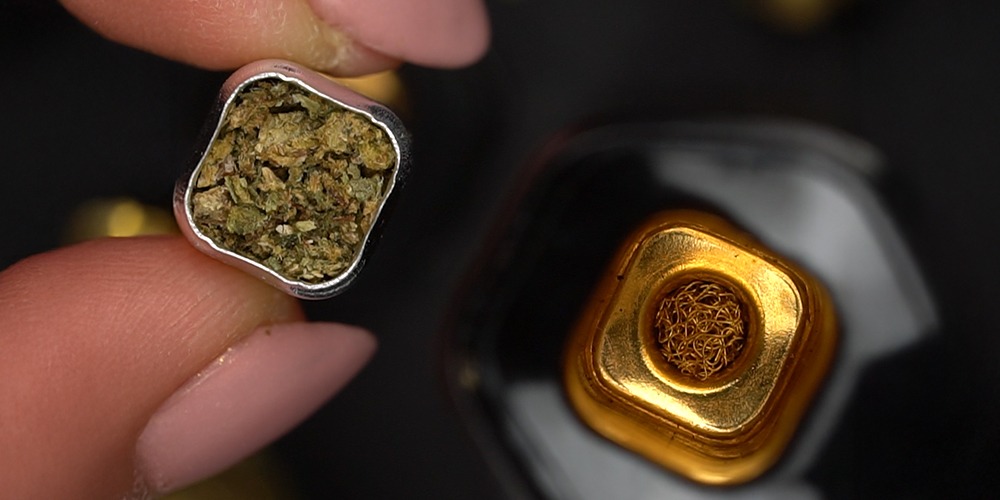
Chronic pain affects millions of people every day, from nerve injuries and arthritis to migraines and back issues. In my practice, I’ve noticed more patients turning to cannabis as part of their pain management. Some use flower vaporizers to enjoy the plant in its natural form, others prefer THC vapes for fast-acting relief, and many incorporate CBD drops or oils for non-psychoactive support. Each method offers different benefits, and understanding how they work can help patients make safer, more effective choices.
Today, I will share insights on how patients are using cannabis to manage chronic pain, explain the benefits and risks of different methods, and highlight real-world evidence from studies and patient experiences.
How Cannabis Can Help with Pain
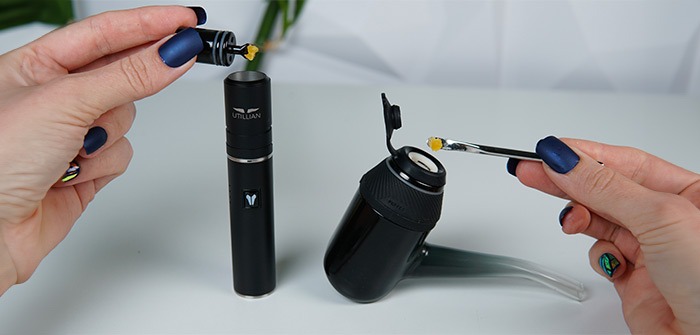
While cannabis is not a miracle cure, research and patient experiences suggest it can be helpful for certain types of chronic pain, particularly neuropathic pain caused by nerve damage (CDC). It may reduce pain perception, improve sleep, and even lower reliance on opioids. Cannabis affects everyone differently, so what works for one patient may not work for another. The key is finding the right combination of cannabinoids, dosage, and consumption method.
Delivery Methods Matter
The way cannabis is consumed can significantly influence its effectiveness. Dry herb vaporizers, THC vapes, CBD oils, and edibles all provide distinct experiences. Vaporizers offer fast relief and precise dosage control, THC vapes act quickly during sudden flare-ups, CBD oils provide steady non-psychoactive support, and edibles deliver long-lasting effects. Choosing the right method often depends on the type of pain, desired onset time, and patient preferences.
Understanding Delivery Methods
The way you consume cannabis can influence how effective it is for pain relief. Here’s a quick overview:
1. Dry Herb Vaporizers
Also called flower vaporizers, these devices heat cannabis without combustion, releasing active compounds safely. Benefits include:
- Quick onset of effects (often within 10–15 minutes)
- Precise dosage control
- Reduced respiratory risks compared to smoking
A 2019 study in Cannabis and Cannabinoid Research found that vaporized cannabis provided significant analgesic effects for neuropathic pain while minimizing harm to the lungs.
2. THC Vapes
THC-rich vapes are inhaled directly into the lungs, delivering cannabinoids quickly into the bloodstream. Benefits include:
- Rapid relief for pain flare-ups
- Reduced reliance on opioids in some patients
- Discreet and convenient for daily use
In one year-long study of 751 chronic pain patients, 46% reduced their opioid intake after starting medical cannabis, with inhalation being the most common method.
3. CBD Drops & Oils
CBD is non-psychoactive and widely used for patients who want relief without feeling high. Benefits include:
- Anti-inflammatory and analgesic effects
- Improved sleep quality
- Steady, long-term relief without respiratory risks. Many users incorporate CBD into calming routines; sometimes paired with soothing experiences or products evocatively named road trip desert stardust—to enhance relaxation without intoxication.
A 2023 survey of 2,400 medical cannabis patients found that 58% used CBD-dominant products for pain, and 70% reported better sleep.
4. Edibles
Edibles are ideal for long-lasting relief, such as overnight pain control or managing symptoms during work hours. Key points:
- Effects take 60–90 minutes to onset
- Relief can last 6–12 hours
- Start with a low dose and increase gradually
A 2022 study in the Journal of Pain Research found that chronic pain patients using edibles reported better overall pain control compared to inhalation alone.
Practical Tips for Patients
Effective pain management with cannabis comes from a thoughtful approach. Starting with a low dose and gradually adjusting is crucial, as individual responses vary. Choosing the right consumption method can enhance results: vaporizers for rapid relief, THC vapes for flare-ups, CBD oils for steady support, edibles for long-lasting effects, and high-quality options like Topshelf Bulk weed for consistent potency. If you’re not sure how to use these products, you can check this guide on consumption methods. Keeping a pain journal helps track which methods and doses work best. Additionally, using licensed, high-quality products ensures safety and consistency. Cannabis is most effective when integrated with broader strategies such as physical therapy, adequate sleep, stress management, and proper nutrition.
Conclusion
Cannabis is not a one-size-fits-all solution, but patients are increasingly finding relief through thoughtful use. By selecting the right consumption method, whether flower vaporizers, THC vapes, CBD drops, or edibles, individuals can manage pain more effectively, reduce dependence on other medications, and improve their quality of life. Ongoing research continues to clarify the safest and most effective ways to use cannabis, providing patients and clinicians with more tools to tackle chronic pain together.
Other Articles You May Find of Interest...
- Non-Invasive Approaches to Managing Chronic Muscle Tension
- Is Your Thumb Pain a Sign of Arthritis? Discover the Thumb Arthritis Test
- Spondylosis and Spondylolisthesis: Key Differences You Should Know
- Decoding the LHC Medical Abbreviation and Its Significance in Healthcare
- Understanding the Causes and Solutions for Inner Elbow Pain
- The Multi-Disciplinary Approach to Daily Pain Care
- Why Delayed Neck Pain Should Never Be Ignored