More Weight Control, Nutrition & Exercise Articles
Are Chickpeas a Vegetable or a Legume? Exploring Their Nutritional Benefits
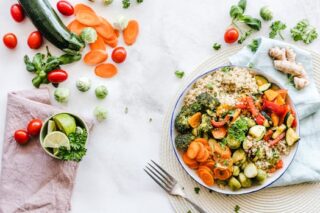
When exploring the question, are chickpeas a vegetable, it’s essential to understand their classification and nutritional value. Chickpeas, also known as garbanzo beans, are technically legumes, not vegetables. Legumes are a category of plants whose seeds are enclosed in pods, which includes lentils, peas, and beans. Despite this botanical classification, chickpeas are often grouped with vegetables in culinary contexts due to their versatile use in a variety of dishes.
Are Chickpeas a Vegetable or a Legume?
As noted, chickpeas are indeed classified as a legume. This places them in the same family as other protein-rich and fiber-dense foods. Their role in the diet is similar to that of vegetables in terms of providing essential nutrients and health benefits. Chickpeas are rich in protein, fiber, vitamins, and minerals, making them an excellent addition to a balanced diet.
Nutritional Benefits of Chickpeas
Chickpeas are celebrated not just for their classification but for their nutritional profile. They are an excellent source of plant-based protein, which can be especially beneficial for vegetarians and vegans. Additionally, they provide a substantial amount of dietary fiber, which supports digestive health and aids in maintaining a healthy weight.
Including chickpeas in your meals can also boost your intake of essential vitamins and minerals. They are particularly high in iron, folate, phosphorus, and magnesium, all of which play crucial roles in maintaining overall health. The iron content, for instance, is vital for oxygen transportation in the blood, while folate is essential for DNA synthesis and repair.
Chickpeas and Weight Management
For individuals seeking to manage their weight, chickpeas can be a valuable component of their diet. Due to their high fiber content, they promote a feeling of fullness, which can help control hunger and reduce overall calorie intake. For more tips on leveraging protein-rich foods for weight management, you can read about the importance of a high-protein diet for weight loss.
The Versatility of Chickpeas in Cooking
Chickpeas’ flexibility in the kitchen is another reason they are a favored ingredient worldwide. They can be used in various forms, such as whole beans in salads and stews, or mashed into spreads like hummus. Their mild, nutty flavor complements a wide range of dishes, from spicy curries to fresh salads, making them a staple ingredient in many cuisines.
Health Considerations
While chickpeas are packed with nutritional benefits, it’s essential to be mindful of their carbohydrate content if you are managing conditions such as diabetes. The glycemic index of chickpeas is lower than many other carbohydrates, which means they have a more gradual effect on blood sugar levels. Nevertheless, monitoring portions can help maintain a balanced diet.
Chickpeas also contain oligosaccharides, a type of carbohydrate that can cause digestive discomfort in some individuals. Proper preparation, like soaking and thoroughly cooking chickpeas, can help reduce these effects.
Further information about the health benefits of legumes, including chickpeas, is available on this comprehensive health page.
Conclusion
In summary, although chickpeas are often considered vegetables in culinary terms, they are biologically classified as legumes. Their exceptional nutritional profile supports various health benefits, making them a smart choice for those seeking nutritious and versatile food options. Whether you choose to include chickpeas in salads, soups, or as a hummus spread, they can play a key role in a well-rounded diet. Next time you ask, “Are chickpeas a vegetable?” remember their classification and think about incorporating this legume into your meals regularly.
- Chickpeas are legumes, not vegetables.
- They are rich in protein, fiber, and essential vitamins.
- Chickpeas support weight management by promoting fullness.
- They can be used in diverse culinary applications.
- Proper preparation minimizes digestive discomfort.
What are the health benefits of chickpeas?
Chickpeas provide protein, fiber, and essential vitamins and minerals that support overall health, including heart health and weight management.
How do chickpeas compare to other legumes?
Like other legumes, chickpeas are rich in protein and fiber but are distinct for their versatility and mild flavor, fitting a wide array of dishes.
Can chickpeas help with weight loss?
Yes, their high fiber and protein content can promote feelings of fullness and help control appetite, aiding in weight management.
Can you eat chickpeas every day?
Yes, incorporating chickpeas into your diet regularly is generally safe and beneficial, though it’s important to consider portion sizes within a balanced diet.
Are there any side effects of eating chickpeas?
Some individuals may experience digestive discomfort due to oligosaccharides, but proper preparation can mitigate these effects.
Other Articles You May Find of Interest...
- Why Pineapple Makes Your Tongue Sting
- How To Lose Weight Fast? 12 Expert Tips
- First Month on GLP-1: What Should You Track?
- How Obesity Can Affect Height, Posture, and Growth
- The Drumstick Vegetable Plant: Nutrition and Uses of Moringa
- How Telehealth Is Making Medical Weight Management More Accessible
- Liposuction vs Weight Loss: Understanding the Difference