






More Woundcare Articles
Healing Insights: The Role of Crusts in Skin Recovery
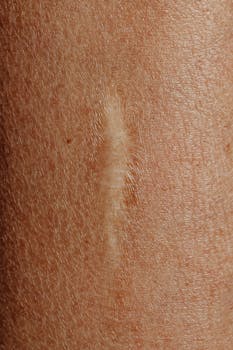
The medical term for scab, scientifically known as a “crust,” is more than just a temporary annoyance; it plays a crucial role in the body’s natural healing process. When the skin is injured, the body springs into action, creating a protective layer that helps shield the underlying tissue as it heals. This phenomenon is a remarkable example of how our bodies are designed to repair themselves. Understanding the function and care of a scab can lead to better wound management and quicker recovery.
Understanding the Medical Term for Scab: A Crucial Aspect of Healing
A scab forms when platelets in the blood clump together to create a barrier over a wound. This barrier, or crust, works diligently to protect the site from bacteria, dirt, and further injury. It’s fascinating to observe how this natural shield is both a sign of healing and a prompt to leave the area undisturbed. Picking at a scab is often discouraged, as it may lead to infection or scarring, delaying the overall healing process.
How Scabs Protect and Heal
After an injury, blood cells start working to clot the blood, forming the initial layer of the scab. Once dried, the scab acts as a natural bandaid. Underneath this protective cover, the body utilizes white blood cells to combat any pathogens and produce collagen. This process is crucial as it repairs and strengthens the skin tissue. The role of a crust in recovery cannot be overstated; it is essentially aiding the regeneration of healthy skin.
Common Misunderstandings About Scabs
Despite their importance, there are several misconceptions about scabs. Many believe that scabs should be removed to speed up healing, but in reality, this can have the opposite effect. Breaking the crust prematurely increases the risk of bacterial infections and can lead to longer healing times or permanent scars. Proper wound care, which encourages scab retention, is essential for speedy recovery.
Supporting Keywords: The Significance of Crust in Recovery
The medical term for scab highlights more than a simple reaction to injury. It’s an intelligent mechanism designed to safeguard and heal. This process is essential, whether dealing with a minor cut or a significant abrasion. For example, the crust allows for optimal healing conditions underneath, as it is not exposed to the environment. This natural form of protection is supported by white blood cells under the scab, preventing infection and promoting healing.
The Role of Nutrition in Healing Scabs
While the body’s capacity to heal is remarkable, it can be influenced by various factors, including nutrition. A diet rich in vitamins and minerals can support the skin’s recovery processes. Nutrients like vitamin C, zinc, and protein are known to aid in tissue repair. For further insights into how diet influences healing, you might explore our article on nutrition and weight control.
Proper Care for Scabs
Caring for a scab properly ensures the wound beneath heals efficiently. Keeping the area clean and dry is fundamental. Mild soap and water are often sufficient; harsh cleaners or excessive scrubbing should be avoided. Moisturizing the scab can also be beneficial, as it can prevent cracking and bleeding. Applying petroleum jelly or an antibiotic ointment will help keep the crust flexible and reduce scarring potential.
The Healing Process: A Final Word on the Medical Term for Scab
Understanding the medical term for scab and the underlying processes highlights the sophisticated repair mechanisms of our bodies. By appreciating this natural process, individuals are better equipped to care for wounds and support healing. Scabs are a testament to the body’s inherent ability to protect and heal itself—a fascinating biological process that balances protection with regeneration.
- Scabs, or crusts, form as a part of the body’s natural healing process.
- Removing a scab prematurely can lead to infection or scarring.
- Proper wound care includes keeping the area clean and moisturized.
- Nutrition plays a supportive role in the healing process.
- Consult healthcare professionals for proper wound and injury management.
What is the significance of a scab?
A scab acts as a natural barrier, protecting a wound from bacteria and dirt while the skin heals underneath.
Why should I avoid picking at a scab?
Picking a scab can lead to infections, prolong healing time, and increase the likelihood of scarring.
How can I aid the healing process of a scab?
Maintain a clean and dry wound environment, use moisturizer to prevent cracking, and ensure a diet rich in healing nutrients.
Can my diet really affect how a wound heals?
Yes, nutrients like vitamin C and zinc are integral for skin repair, helping to support and speed up healing.
Is it ever necessary to remove a scab yourself?
Generally, it’s not recommended. A scab should fall off naturally once the underlying tissue has healed. Consult a healthcare provider if you have concerns.
For further general health information, you can refer to this comprehensive guide on health.
Other Articles You May Find of Interest...
- Essential Guide to Using Burn Sterile Dressings for Optimal Healing
- Mastering Wet to Dry Dressing Techniques for Optimal Wound Care
- Effective Strategies for Managing Slough Wounds and Promoting Healing
- Does Neosporin Expire and How to Safely Use It?
- Effective Strategies for Preventing Sacral Decubitus Ulcers and Promoting Healing
- Essential Care: How Antibiotic Ointment Can Help with Tick Bites
- The Benefits of Mechanical Debridement for Wound Healing




