






More Woundcare Articles
Healing and Caring for Abrasion Wounds: Essential Tips for Recovery
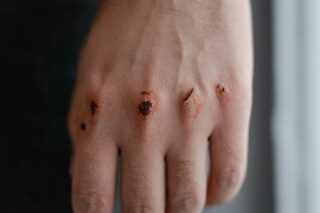
An abrasion wound, commonly known as a scrape or graze, is a type of injury where the skin is worn away due to friction against a rough surface. These wounds are typically shallow and do not penetrate below the skin; however, they require proper care to prevent infection and promote healing. In this article, we will explore how to care for an abrasion wound, ensure a quick recovery, and prevent complications.
Understanding Abrasion Wounds
Abrasion wounds occur when the outer layers of skin are damaged due to rubbing or scraping against an abrasive surface. This type of injury is common among active individuals, such as athletes and children, and can result from falls or accidents. While they may not be severe, it is important to treat them effectively to minimize the risk of complications.
Initial Steps for Proper Care
Caring for an abrasion wound begins with proper cleaning and protection. Follow these steps to ensure optimal healing:
- Clean the wound: Rinse the abrasion with cool, clean water to remove dirt and debris.
- Use antiseptic solution: Apply an antiseptic to the area to lower the risk of infection.
- Cover the wound: Use a sterile bandage or gauze to keep the wound clean and protected.
- Keep the area dry: Change your bandages frequently and keep the wound dry to support healing.
Promoting Healing Through Nutrition
Nutrition plays a key role in wound healing. Consuming a balanced diet rich in essential nutrients can expedite recovery. Consider these dietary tips:
- Vitamin C: Found in citrus fruits and leafy greens, Vitamin C helps with collagen formation and tissue repair.
- Zinc: Present in nuts, seeds, and meats, zinc supports the immune system and aids wound healing.
- Protein: Lean meats, fish, and beans provide the building blocks necessary for skin repair.
For more tips on maintaining a healthy lifestyle, visit our article on small steps to a more active lifestyle.
Preventing Infections
Infection is a common complication of abrasion wounds. Signs of infection include increased redness, swelling, pus, and pain. To prevent this, keep the wound clean and dry and avoid exposing it to bacteria. If an infection is suspected, consult a healthcare provider promptly.
When to Seek Medical Attention
While most abrasion wounds heal without medical intervention, it’s important to recognize when professional care is needed:
- If the wound is deep or bleeding heavily.
- If you notice signs of infection.
- If you have difficulty cleaning the wound properly.
In such cases, seeking medical care can help prevent further complications and ensure appropriate treatment.
Managing Pain and Discomfort
Pain from an abrasion wound can typically be managed with over-the-counter pain relievers. Applying a cool compress can also help reduce discomfort. Always follow the recommended dosage instructions and consult a healthcare provider if pain persists.
Long-Term Care and Scarring
Following proper wound care procedures will significantly reduce the chance of scarring. To further minimize scars:
- Moisturize the wound: Use a gentle, hypoallergenic moisturizer to keep the area hydrated.
- Protect from the sun: Cover the wound with clothing or apply sunscreen to shield from harmful UV rays.
If scarring is a concern, dermatological treatments can be explored with a healthcare professional.
By diligently caring for an abrasion wound, you can support your body’s natural healing process and avert potential complications. Continue to monitor the wound and seek guidance if necessary.
Learn more about health and general wellness from reliable sources such as this comprehensive article on health.
Takeaways
- Clean and protect abrasion wounds promptly to prevent infection.
- Proper nutrition can support faster healing.
- Be vigilant for signs of infection and seek medical attention when needed.
- Long-term care and protection can minimize the risk of scarring.
- Always consider consulting a healthcare provider for persistent issues.
Frequently Asked Questions
What is the best way to clean an abrasion wound?
The best way to clean an abrasion wound is by rinsing it with cool, clean water to remove debris, followed by applying an antiseptic solution to lower the risk of infection.
Can abrasion wounds become infected?
Yes, like any open wound, abrasion wounds can become infected if not properly cleaned and protected. Monitor for signs such as redness, swelling, and pus.
How long do abrasion wounds take to heal?
Abrasion wounds typically heal within a week to ten days, depending on the size and depth of the wound, as well as the individual’s overall health.
Should I apply ointment to an abrasion wound?
Applying a thin layer of antibiotic ointment can help keep the wound moist and prevent infection. Always use as directed and consult your healthcare provider if you have concerns.
Is it normal for an abrasion wound to itch?
Yes, itching is a normal part of the healing process. However, avoid scratching to prevent reopening the wound or causing an infection.
Other Articles You May Find of Interest...
- Essential Guide to Using Burn Sterile Dressings for Optimal Healing
- Mastering Wet to Dry Dressing Techniques for Optimal Wound Care
- Effective Strategies for Managing Slough Wounds and Promoting Healing
- Does Neosporin Expire and How to Safely Use It?
- Effective Strategies for Preventing Sacral Decubitus Ulcers and Promoting Healing
- Essential Care: How Antibiotic Ointment Can Help with Tick Bites
- The Benefits of Mechanical Debridement for Wound Healing




