






More Women's Health & Beauty Articles
What Causes Your Period to Arrive Early?
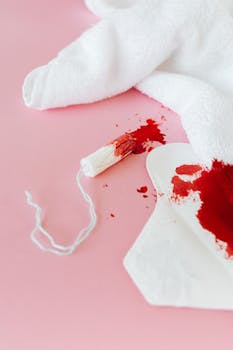
Experiencing an unexpected shift in your menstrual cycle, such as your period arriving early, can be perplexing. You might find yourself wondering, “why is my period early?” While an early period can cause concern, it’s usually due to a variety of common factors. These can include changes in lifestyle, stress, and hormonal fluctuations. Understanding these influences can help you determine whether this change is a one-time occurrence or part of a larger pattern that needs attention.
Why Is My Period Early?
Menstrual cycles are sensitive to changes in your physical and emotional state. An early period can often be traced to stress, which influences the hormonal balance controlled by the hypothalamus. This can result in changes to your cycle. In addition, significant shifts in weight or diet, intense exercise, and travel can disrupt the timing of menstruation.
Hormonal imbalances are another frequent cause. Hormones such as estrogen and progesterone must be balanced for a regular cycle. When imbalances occur, an early period might be the result. Additionally, certain medical conditions, including thyroid disorders or polycystic ovary syndrome (PCOS), can lead to irregular menstrual patterns.
Moreover, some medications, especially those impacting hormone levels like birth control pills or treatments for other conditions, might cause early periods. It’s always advisable to consult with a healthcare professional to explore these possibilities.
Factors Contributing to an Early Period
While many factors can contribute to a period that comes 10 days early or even earlier, understanding each can help in identifying the cause:
Stress and Emotional Factors
Stress is a powerful player in menstrual cycles. The release of stress hormones can interfere with the regular hormone levels that regulate your cycle. Significant emotional distress, whether from work pressures or personal issues, can lead to an early or even missed period.
Lifestyle Changes
Any sudden change in your lifestyle, such as a new workout regimen or drastic dietary change, can affect your period. Exercise, particularly if it’s intense, can alter the release of hormones. Similarly, significant weight loss or gain can disrupt your hormonal balance, causing an early period.
Medical Conditions
Certain medical conditions can impact your menstrual cycle. For instance, PCOS is known to cause irregular periods. For those managing PCOS, adjustments in medications like Metformin might help in achieving a regular cycle. Additionally, thyroid imbalances can result in changes to menstrual timing due to their role in metabolic regulation.
Medications and Birth Control
Starting or stopping birth control can lead to altered menstrual cycles. Since these medications work by regulating hormones to prevent pregnancy, any change can cause your period to arrive earlier than expected. Other medications, particularly hormone-based treatments, might have similar effects.
Perimenopause and Menopause
As women approach menopause, typically in their 40s and 50s, they may experience irregular periods. This phase, known as perimenopause, is marked by fluctuations in hormone levels, which can lead to both early and late periods.
Monitoring Irregular Cycles
Keeping track of your menstrual cycle can provide insights into your health and any underlying issues. If you notice frequent changes or your cycle remains irregular, it’s important to discuss this with a healthcare provider. While occasional early periods can be normal, consistently irregular ones might suggest an underlying issue that requires attention.
There are various apps and tools available to help monitor your cycle and any symptoms you experience. These resources can make it easier to share accurate information with your doctor to help identify potential causes.
When to Consult a Doctor
While a single early period is generally not a cause for concern, persistent irregularities should be discussed with a healthcare professional. They can conduct an examination and run tests to rule out any conditions or hormonal imbalances. This can also provide reassurance and help formulate a plan to get your menstrual cycle back on track.
For more detailed information on hormonal influences, visit the Health page on Wikipedia.
Understanding the reasons why is my period early can be empowering. By being proactive and informed, you can work with your healthcare provider to address any menstrual concerns you may have.
- Menstrual cycles can be influenced by stress, lifestyle changes, and environmental factors.
- Medical conditions like PCOS and thyroid disorders can cause irregular periods.
- Medications, including birth control, can affect the timing of your period.
- Maintain a menstrual journal to track your cycle’s regularity.
- Consult a healthcare professional for persistent menstrual irregularities.
What causes an early period?
An early period can be caused by stress, lifestyle changes, hormonal imbalances, and certain medications. It can also be due to medical conditions affecting hormone levels.
Can stress make my period come early?
Yes, stress is one of the most common factors that can affect your menstrual cycle. High stress levels can lead to hormonal imbalances, causing an early period.
Should I be concerned if my period is 10 days early?
An occasional early period is usually not a concern. However, if it occurs consistently, you should consult a healthcare provider to explore potential underlying causes.
How do birth control pills affect my period?
Birth control pills work by regulating hormones to prevent pregnancy, which can change your menstrual cycle’s timing. Starting or stopping them can lead to an early period.
What lifestyle changes can help regulate my period?
Maintaining a balanced diet, regular exercise, and managing stress can help regulate your menstrual cycle. It’s also beneficial to keep track of your periods to notice any irregularities.
Other Articles You May Find of Interest...
- Understanding the Importance of the Pap Smear CPT Code in Women’s Health
- What Causes Your Period to Arrive Early?
- Managing PCOS Symptoms: How Spironolactone Can Help
- Is Hydroxyzine Safe During Pregnancy? Essential Insights for Expecting Mothers
- Recognizing the Signs of Low Estrogen in Women for Better Health
- Effective Solutions for Managing High Estrogen Levels in Women
- Exploring the Role of Atopobium Vaginae in Women’s Health




