






More Women's Health & Beauty Articles
What Causes Dry Nipples and How to Find Relief?
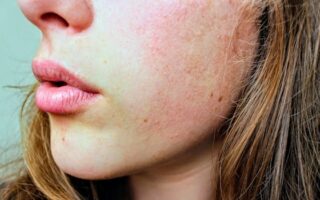
If you’ve ever experienced a dry nipple, you’re not alone. Many people notice changes in their skin, especially in sensitive areas like the nipples. Understanding the reasons behind these changes can help you find the right solutions for relief and comfort.
Understanding Dry Nipples
Dry nipples can result from a variety of factors. The skin on the nipples is thin and sensitive, making it more susceptible to dryness and irritation. This condition, characterized by flakiness or itchiness, can have several origins ranging from environmental factors to personal health conditions.
Causes of Dry Nipples
Environmental Factors
Harsh weather conditions, such as extreme cold or dry heat, can strip moisture from your skin, leading to dry nipple skin. In addition, frequent exposure to water, especially hot showers, can further dehydrate the sensitive skin.
Allergies and Irritants
Contact with certain fabrics or laundry detergents can lead to an allergic reaction or irritation, resulting in dry, itchy nipples. Perfumed body lotions and soaps, as well as abrasive clothing materials, can also contribute to the problem.
Hormonal Changes
Hormonal fluctuations, often experienced during pregnancy or breastfeeding, might change the skin’s behavior, causing dryness. Women are likely to experience these as a primary cause during different stages of their hormonal cycle.
Health Conditions
Certain skin conditions, like eczema or psoriasis, can manifest on any part of the body, including the nipples, leading to dry and flaky skin. In such cases, seeking professional advice for targeted treatment is often necessary. Other internal health issues such as fungal infections can also manifest with similar symptoms.
Dehydration and Diet
Not consuming enough water or a diet low in essential fatty acids can affect the skin’s moisture levels. Staying hydrated and maintaining a balanced diet can play a significant role in skin health, potentially preventing dryness.
For more on maintaining health through diets rich in essential nutrients, you might be interested in this article on vitamins for brain health and memory.
Finding Relief for Dry Nipples
Moisturization
Using a hypoallergenic moisturizer can help alleviate dryness and protect the skin from further damage. Look for creams that contain natural oils or ceramides and are free from fragrances and dyes.
Avoiding Irritants
Choose clothes made from breathable fabrics like cotton, and wash them with mild detergents. Avoid using products with strong perfumes or alcohol, which can further irritate the nipple skin.
Hydration and Nutrition
Increase water intake and incorporate foods rich in omega-3 fatty acids, such as fish and nuts, which support skin health. Proper nutrition and hydration are essential for maintaining your skin’s natural barrier.
Medical Advice
If dryness persists despite trying home remedies, consult a healthcare provider to rule out underlying conditions. They may recommend specific treatments or lifestyle changes that can provide relief.
For more comprehensive health information, you might find this external source on health topics helpful.
Conclusion
Experiencing a dry nipple can be uncomfortable, but it is often manageable with the right approach. By understanding the causes and implementing practical solutions, you can alleviate symptoms and promote healthier skin. Stay informed, and consult a healthcare professional if issues persist.
- Dry nipples can result from environmental factors, allergies, or hormonal changes.
- Using hypoallergenic moisturizers can help relieve dry nipple skin.
- Avoid irritants like perfumes and harsh soaps.
- Proper hydration and nutrition are key to maintaining skin health.
- Seek medical advice for persistent issues.
Why do I have dry nipples?
Dry nipples can be caused by a variety of factors including environmental conditions, allergies, hormonal changes, or underlying skin conditions. Identifying the cause can help in finding an effective remedy.
How can I prevent dry nipples?
Preventing dry nipples involves maintaining proper skin hydration, avoiding irritants, and ensuring a balanced diet. Wearing breathable, soft fabrics and staying hydrated also help.
When should I see a doctor about dry nipples?
If you experience persistent dryness that doesn’t improve with home care, or if there are additional symptoms such as severe itching or redness, it is advisable to consult a healthcare professional for potential underlying issues.
Can lifestyle changes help with dry nipples?
Yes, lifestyle changes such as improving your diet, increasing water intake, and choosing appropriate skin care products can significantly help in reducing dryness.
Are certain fabrics better for dry nipples?
Yes, natural, soft fibers like cotton are generally better as they cause less irritation and allow the skin to breathe. Avoid synthetic and rough materials that can aggravate the condition.
Other Articles You May Find of Interest...
- Does Birth Control Affect Your Libido? Understanding the Impact on Sexual Desire
- Why Am I So Tired Before My Period? Understanding Menstruation and Exhaustion
- Can Castor and Coconut Oil Improve Your Health During Colds and Vaginal Dryness?
- Navigating Life After Postmenopause: Embracing Health and Wellness
- Discover the Top 7 Foods That Help Shrink Fibroids
- What Does Having an Arcuate Uterus Mean for Your Health?
- Does Birth Control Lead to Hair Loss? Exploring the Connection




