






More Women's Health & Beauty Articles
What Causes Bad Odors During My Period?
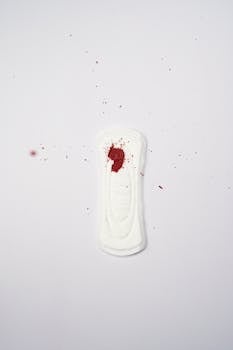
Many individuals often wonder, “why does my period smell so bad?” It’s a common concern during menstruation, and it might surprise you to learn that several factors contribute to the natural odors experienced during this time. This article aims to explain these factors more thoroughly, provide clarity, and reassure you that you’re not alone in experiencing changes in scent during your menstrual cycle.
Understanding Why Does My Period Smell So Bad
Firstly, it’s essential to realize that menstrual blood itself has a slightly metallic scent due to its iron content and the presence of bacteria. However, each individual’s body chemistry can influence how noticeable this odor is. It’s not uncommon for women to observe different scents at various times in their cycle, which can lead to the question of why does menstrual blood have an odor.
Several types of bacteria reside naturally in the vagina and play a crucial role in maintaining a healthy environment. However, when combined with blood and eventually exposed to air, these bacteria can produce various smells. This is one reason why menstrual blood may have a discernible odor. Additionally, dietary habits, hygiene practices, and hormonal fluctuations contribute significantly to the scents associated with menstruation.
Factors Contributing to Period Odors
Bacterial Interaction
The vagina is home to many bacteria, primarily lactobacilli, which maintain a balanced pH level, contributing to overall vaginal health. However, during menstruation, the pH balance might alter, affecting the type of bacteria present. This change can cause the period to smell differently as these microbes interact with menstrual blood.
Hygiene Practices
Maintaining proper hygiene is crucial in managing the smell associated with periods. Regularly changing sanitary products like tampons, pads, or menstrual cups can prevent excess bacteria growth, which can occur when these products are left unchanged for extended periods. This practice helps minimize why period blood might stink after prolonged exposure.
Dietary Influences
Your diet can also affect how noticeable the odor of your menstrual blood is. Some foods, like garlic and onions, can influence body odors. Drinking enough water and consuming a balanced diet can help dilute scents and ensure better overall health, potentially impacting how period odors are perceived.
Hormonal Changes
Hormonal fluctuations during your menstrual cycle can influence vaginal secretions and odor. As estrogen levels rise and fall, they might impact the skin and stools, contributing to the varying smells noticed during this time. It’s perfectly normal for hormone levels to cause these subtle changes.
When to Seek Medical Advice
While some smell during menstruation is normal, it’s crucial to recognize when these scents might indicate a problem. If accompanied by symptoms such as itching, burning, or unusual discharge, it could signal a bacterial vaginosis or yeast infection. Consulting with a healthcare provider can offer guidance and necessary treatment if the odor becomes potent or is accompanied by other symptoms.
If you’re intrigued about exploring the root causes of health issues beyond just menstrual odor, you might consider learning more about how functional medicine can help address underlying health concerns.
Conclusion: Why Does My Period Smell So Bad?
Understanding the reasons behind why does my period smell so bad can alleviate some of the anxiety surrounding this natural bodily process. Remember, some scent is entirely typical, with multiple factors contributing to any changes you might notice. If concerned, maintaining good hygiene, observing bodily changes, and considering dietary influences might provide solutions. Always consult with a healthcare professional if you notice persistent or distressing changes.
For more information on health and hygiene during menstruation, you can visit this external source on menstrual hygiene management.
- Some level of odor during menstruation is normal and caused by blood, bacteria, and air.
- Diet, hygiene, and hormonal changes can influence menstrual scents.
- Regularly changing sanitary products can help manage period odor.
- If experiencing unusual symptoms, consult a healthcare professional.
- Understanding your cycle can empower you to manage menstruation better.
FAQs
Does drinking water impact period odor?
Yes, staying hydrated can help maintain your body’s natural balance, potentially lessening noticeable scents by diluting certain substances influencing body odor.
Can certain foods affect the smell of my period?
Diet plays a role in body odor, including period smells. Foods like garlic and spicy dishes might intensify scents, while a balanced diet might help normalize them.
Should I use scented products to mask period odor?
It’s generally advised to avoid scented products as they can irritate sensitive areas and might disrupt natural bacteria balance. Opt for fragrance-free, gentle products instead.
Are there medical conditions linked to strong period odors?
Strong or unusual odors might indicate infections such as bacterial vaginosis or yeast infections. Consult a healthcare provider if you suspect a medical condition.
How can I tell if the period odor I experience is normal?
A standard odor is typically mild and not overpowering. If accompanied by symptoms like itching or irritation, seeking medical advice is prudent for reassurance and potential treatment.
Other Articles You May Find of Interest...
- Essential Female Hormone Tests You Should Consider for Optimal Health
- Relieving Pain: Exploring the Connection Between Sciatic Endometriosis and Your Health
- Effective Strategies for BV Treatment Online
- The Essential Role of Magnesium During Pregnancy
- Estriol vs Estradiol: Which Hormone Is Right for You?
- Is It Normal to Vomit Blood During Pregnancy?
- Why Am I Experiencing Frequent Urination in Women?




