






Your Health Magazine
4201 Northview Drive
Suite #102
Bowie, MD 20716
301-805-6805
More Women's Health & Beauty Articles
Toilet Paper and Vaginal Health: 10 Facts, Risks, and Safer Choices
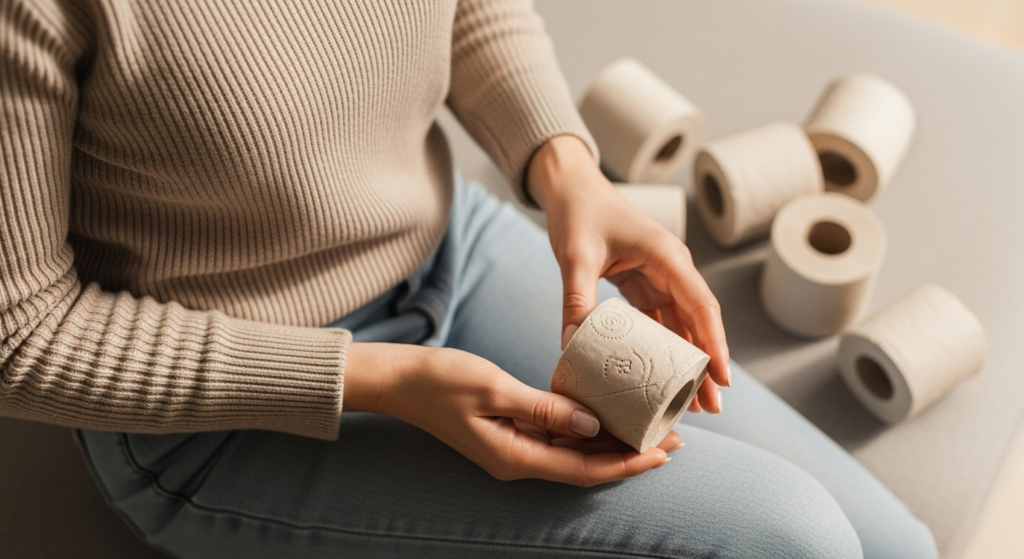
It sounds simple: grab a roll and get on with the day. Yet that roll touches some of the body’s most sensitive skin, again and again. Small choices add up—texture, chemicals, and technique can nudge things toward comfort or toward irritation. That’s not scare talk; it’s just the kind of slow-burn effect many only notice after a flare-up.
This guide covers:
- Key ingredients in toilet paper that impact vaginal health
- How to spot and address irritation early
- Best and worst toilet paper types for sensitive skin
- Expert-backed hygiene habits for lasting comfort
Neat list, messy reality. Some items may matter more depending on season, stress, or a quiet formula change at the mill. And if the market shifts next quarter, does the “best” pick hold?
Why Toilet Paper Matters for Vaginal Health
Daily habits run on autopilot—until they don’t. Toilet paper sits near the top of that list, used multiple times per day, in close contact with delicate tissue. That frequency alone raises the stakes. And small missteps—like a rough weave or a dab of fragrance—can set the stage for irritation, even when a label promises “gentle care.”
Common Ingredients and Their Effects
The labels tell a partial story. Bleaching agents can linger in trace amounts. Formaldehyde, used for wet strength in certain papers, has a long track record as a skin irritant. Fragrances and dyes make shelves smell nicer than the skin feels.
Reports also flag BPA in some recycled content and PFAS in select products—chemicals that have been linked with endocrine and skin concerns. If all that sounds inconsistent across brands, it is; different batches and sources lead to different outcomes. And who monitors those changes week to week?
How Toilet Paper Can Cause Irritation
It isn’t always the “what”—it’s the “how.” A rough sheet can create microtears, and over-wiping can strip natural oils that keep the barrier calm. Add chemical residues or lotion additives, and the local pH can wobble just enough to invite trouble.
Oddly, papers marketed as “ultra-soft” may lean on extra processing to feel plush. Comfortable to the hand, maybe, but the skin tells the truth later.
Recognizing Symptoms of Irritation
Some assume irritation must come from a soap or a detergent. Toilet paper rarely gets blamed first. Yet patterns show up fast once attention shifts to the roll.
Typical Signs
Common signs include itching, burning, redness, tiny bumps or rashes, and changes in discharge. A sudden flare after a brand switch or after trying a scented option is a signal worth heeding. Sometimes swelling shows up without pain—annoying, and easy to misread as something else.
When to See a Doctor
If symptoms don’t calm after swapping to a plain, unscented paper and dialing back potential irritants, medical guidance helps rule out infection or contact allergy. Extra flags include pain, fever, or unusual discharge. And if symptoms ebb and flow with brand changes, that’s a clue—but which ingredient is the real trigger?
Choosing the Right Toilet Paper
Shiny claims crowd the aisle. “Eco,” “soft,” “strong,” “clean.” Helpful, until they aren’t. Real comfort tends to come from simpler formulas and steady habits—not slogans.
Best Types for Sensitive Skin
White, unscented, and unbleached options reduce the usual triggers. Hypoallergenic lines aim to cut common irritants. Many find natural toilet paper—especially when free from added fragrance—because the fibers can feel smooth and low-friction against sensitive skin.
Subscription options keep supplies steady, which helps avoid last-minute swaps that bring back irritation. Still, formulations vary by manufacturer, which keeps a little trial and error in the picture.
What to Avoid
Colored, scented, and “lotion-infused” products tend to involve extra chemistry. Even some recycled papers can carry residues from past lives, including BPA. Certifications help, ingredient transparency helps more, and batch-to-batch consistency matters most. Sounds fussy, but skin cares less about branding than about what’s baked into the sheet. So, how many certifications actually reflect what happens in everyday use?
Hygiene Habits That Protect Vaginal Health
Technique can matter as much as material. A calm routine reduces friction and keeps the local environment steady—less drama, fewer flare-ups.
Proper Wiping Technique
Front-to-back reduces the odds that bacteria drift toward the vagina or urethra. Gentle patting beats vigorous strokes, because fewer microtears mean fewer openings for irritation. Using just enough paper to get clean also cuts friction. Simple moves, but they stack up.
Wet Wipes and Alternatives
Wipes sound tidy—until the ingredient list complicates things. Many contain fragrance or harsh preservatives that don’t play well with sensitive skin. If used, unscented and hypoallergenic picks are safer bets; they belong in the trash, not the toilet.
For daily use, soft paper with minimal additives tends to be kinder. And yes, bamboo rolls keep getting attention for a reason—even critics note the texture is easy on sensitive areas. Will wipes ever match that without odd additives?
Common Mistakes and Myths
Marketing can blur the line between comfort and chemistry. A label that feels trustworthy today can change with the next “new and improved” release.
“Softer” Isn’t Always Safer
That velvet feel may come from extra processing or additives. Plush on fingers isn’t the same as being friendly to sensitive tissue. A smoother-feeling surface can still leave behind microfibers or residues. Comfort claims aside, what matters is how the skin behaves tomorrow.
Eco-Friendly Doesn’t Mean Chemical-Free
Green leaves on packaging don’t guarantee clean formulas. Some eco lines still use dyes or scent, and recycled content can carry over traces of unwanted compounds. Certifications help, but they aren’t perfect lie detectors. If “eco” is a goal, ingredient clarity should be part of the promise—why is that still rare?
Prevention and Recovery Tips
Prevention saves a lot of second-guessing. And when irritation does show up, small, quick changes often steer things back on track.
Immediate Actions for Relief
Switch to plain, unscented paper at the first sign of trouble. Rinse with cool water, skip scented soaps and bubble baths, and choose breathable underwear until things calm down. These steps won’t solve every cause, but they remove common triggers fast.
Long-Term Prevention Strategies
Stick with a gentle paper that doesn’t rely on dyes, scents, or lotions. Keep wiping light and front-to-back. Some prefer a steady supply model to avoid surprise brand swaps at the store. If symptoms keep returning, clinical testing for contact allergens can point to the exact culprit—because guessing gets old.
Expert Advice and Medical Insights
Clinicians are seeing the pattern: persistent vulvar discomfort sometimes ties back to the humble roll. When medication fails but a paper swap works, the connection gets hard to ignore.
What Gynecologists Recommend
Common guidance favors white, unscented, unbleached paper. Lines labeled hypoallergenic or bamboo-based are frequent recommendations for sensitive skin. “Ultra-soft” and “ultra-strong” versions can be more processed, which may raise the irritation risk in those who are reactive. Still, individual tolerance varies—one label’s “safe” can be another person’s trigger.
Case Study: Chronic Irritation from Toilet Paper
Published case reports describe chronic irritation that resolved only after switching to unbleached, additive-light paper. Medications didn’t move the needle until the irritant source was removed. It’s a tidy outcome in print—yet in daily life, pinning the blame on a single ingredient can take time. How many cases get mislabeled as “mystery yeast infection” along the way?
Comparison Table: Toilet Paper Types and Vaginal Health
Any table like this risks sounding absolute. It isn’t. Brands reformulate, supply chains shift, and certification standards evolve. Still, patterns help—so consider this a map, not a gospel.
Even with these buckets, two “bamboo” rolls can feel different in the real world. Fiber length, additives, and finishing steps all matter. That’s the quiet part on the back of the package.
| Type | Irritation Risk | Chemical Content | Suitability for Sensitive Skin |
| Bleached, Scented | High | Chlorine, fragrances | Poor |
| Unbleached, Unscented | Low | Minimal | Excellent |
| Bamboo | Very Low | Naturally hypoallergenic | Excellent |
| Recycled | Medium | Possible BPA | Varies |
| “Ultra-Soft”/Lotion | Medium-High | Additives, lotions | Often poor |
Use this as a starting lens, not a verdict. Lab results and skin feedback carry more weight than marketing tiers. If one “low-risk” option still stings, the category label won’t make it kinder.
Key Takeaways for Everyday Comfort
Making informed choices about toilet paper can have a lasting impact on vaginal health. By understanding ingredients, adopting safe hygiene habits, and staying alert to symptoms, comfort tends to improve—though tolerance isn’t identical across the board.
Choose white, unscented, unbleached, or bamboo toilet paper for daily use. Always wipe front-to-back gently and avoid excessive wiping or harsh products. Consider a bamboo toilet paper subscription for a reliable, eco-friendly supply.
Small changes in a daily routine can make a big difference, yet brand shifts and ingredient tweaks can change the outcome without warning. If symptoms persist, medical input helps cut through the guesswork.
FAQs
What toilet paper do gynecologists recommend?
Most clinical guidance points to white, unscented, unbleached paper, with hypoallergenic or bamboo options favored for sensitive skin. That said, recommendations can vary by provider and by local product availability, and real-world tolerance depends on individual sensitivity and formula changes over time.
How often should a woman wash her privates?
Once daily cleansing of the external genital area with water or a mild, unscented soap is common guidance. More frequent washing can disrupt the skin barrier, though activity level and climate can shift the ideal routine slightly. Internal douching isn’t advised, as the vagina is self-cleaning and added products can backfire.
Which toilet paper won’t mess up pH balance?
Plain, unbleached, unscented options—bamboo included—are less likely to disturb local pH. Even then, friction and frequency can matter as much as ingredients, so a gentle technique remains part of the equation, especially during sensitive periods or after antibiotics.
Other Articles You May Find of Interest...
- Toilet Paper and Vaginal Health: 10 Facts, Risks, and Safer Choices
- Unraveling the Mystery of Spotting One Week After Your Period
- Is Your Pregnancy Test Reader Accurate? What You Need to Know
- Recognizing the Hidden Signs of Hepatitis Symptoms in Women
- The Surprising Reasons Your Menstrual Blood Might Have an Unpleasant Odor
- Normal Insulin Levels in Women: What You Need to Know
- What Does a Pimple on Your Areola Mean?




