






Sleep Better Maryland
Sleep Better Maryland
12620 Clarksville Pike
Suite A
Clarksville, MD 21029
443-535-6989
More Women's Health & Beauty Articles
Sleep Apnea and Women’s Health
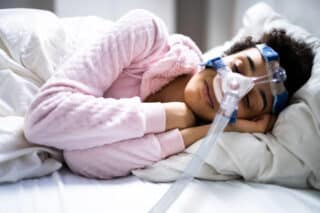
The Overlooked Sleep Disorder Affecting Millions
Sleep apnea is a serious and often underdiagnosed sleep disorder that affects people of all ages and genders. Marked by repeated pauses in breathing during sleep, it disrupts normal rest and lowers oxygen levels, placing significant strain on the body. Although sleep apnea is commonly associated with men, growing evidence shows it is frequently overlooked in women, leading to delayed diagnosis and avoidable health risks.
Obstructive sleep apnea (OSA), the most common form, occurs when the airway collapses or becomes blocked during sleep. Classic symptoms include loud snoring, gasping for air, and excessive daytime sleepiness. However, women often experience subtler symptoms that are easier to miss. Instead of loud snoring, many women report chronic fatigue, insomnia, morning headaches, anxiety, depression, difficulty concentrating, or unexplained weight gain. These symptoms are frequently attributed to stress, aging, or hormonal changes, which can delay proper evaluation and treatment.
Hormonal changes play an important role in women’s risk for sleep apnea. Pregnancy, perimenopause, and menopause can all increase vulnerability to airway obstruction during sleep. Declining estrogen and progesterone levels may affect muscle tone and breathing regulation. After menopause, a woman’s risk of sleep apnea rises significantly and can approach that of men, yet many women remain undiagnosed and untreated.
Untreated sleep apnea can have serious consequences for both women and men. It has been linked to high blood pressure, heart disease, stroke, type 2 diabetes, and metabolic disorders. For women in particular, sleep apnea may worsen hormonal imbalance, contribute to mood disorders, and increase cardiovascular risk – the leading cause of death among women. During pregnancy, untreated sleep apnea has also been associated with complications such as gestational diabetes and preeclampsia.
Diagnosis is a critical step toward better health. Sleep apnea is typically identified through a sleep study, conducted either in a sleep laboratory or at home, depending on individual needs. Once diagnosed, effective treatment options are available. While Continuous Positive Airway Pressure (CPAP) therapy remains the most well-known treatment, many patients struggle with comfort or compliance. For these individuals, custom oral appliance therapy can offer a comfortable, discreet alternative, especially for those with mild to moderate sleep apnea or CPAP intolerance.
Treating sleep apnea can greatly improve quality of life. Many patients experience better energy, improved mood, sharper focus, and more restorative sleep. For women, effective treatment may also support improved cardiovascular health, weight management, and overall well-being. Sleep apnea is not just a men’s health issue – it is a widespread condition that deserves awareness, timely diagnosis, and treatment for everyone.
Other Articles You May Find of Interest...
- Essential Insights into Biophysical Profiles During Pregnancy
- What Is the Usual Size of the Uterus and Why It Matters?
- Navigating Cervical Health: What Cervix with Cysts Means for You
- Sleep Apnea and Women’s Health
- Why Am I Experiencing Pain Without a Period?
- Navigating Menopause with Endometriosis: Hormone Replacement Therapy Options
- Uncovering the Hidden Factors Behind Low Progesterone Levels




