






More Women's Health & Beauty Articles
Navigating Your Cycle: When Should You Be Concerned About No Period After Pregnancy?
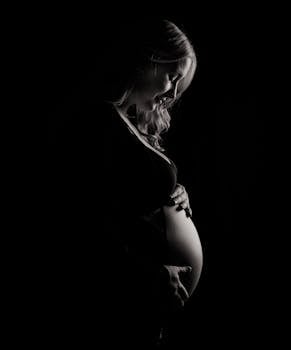
The excitement and challenges of new motherhood often bring a host of questions, especially about changes in your body. One common concern is no period after pregnancy. When to worry about this absence of menstruation can depend on several factors, including whether you are breastfeeding, your overall health, and your previous menstrual cycle patterns.
No Period After Pregnancy: When to Worry
After giving birth, your body goes through a recovery phase, which includes menstrual cycle changes. The timeline for the return of your period can vary greatly. While many women resume their cycles within six to eight weeks postpartum, others may experience several months of delay, particularly if they are breastfeeding. Understanding when a delayed period might indicate an underlying issue is essential.
Understanding Postpartum Menstrual Cycle
The postpartum period marks an adjustment phase for your reproductive system. Hormones, such as estrogen and progesterone, fluctuate significantly during this time. If you are breastfeeding, the hormone prolactin, responsible for milk production, can suppress ovulation, which in turn delays menstruation. This is known as lactational amenorrhea.
Common Reasons for Delayed Periods
While breastfeeding is a primary reason for delayed periods, there are other factors to consider. Stress, significant weight changes, and certain health conditions can also affect the regularity of menstrual cycles. It’s important to communicate with your healthcare provider if your period hasn’t returned within six months, especially if you’re not breastfeeding.
When to Seek Medical Advice
Generally, if no period after pregnancy exceeds six months and you are not breastfeeding, it’s wise to reach out to a healthcare professional. Some potential concerns might include hormonal imbalances, thyroid issues, or even the onset of conditions like polycystic ovary syndrome (PCOS). Regular medical check-ups can help identify any potential health issues early.
Impact of Lifestyle Factors
Your lifestyle plays a significant role in how quickly your menstrual cycle returns. High stress levels, poor nutrition, and extreme weight loss or gain can all contribute to delayed menstruation. Engaging in safe and effective weight management practices and ensuring a balanced diet can support your body’s postpartum recovery.
No Period After Pregnancy: When to Worry
Returning to your regular cycle can be influenced by several factors. Continued delay should prompt a consultation with your healthcare provider to rule out medical issues. Most importantly, focusing on overall well-being can support a healthier return to regular cycles.
Conclusion
Understanding postpartum changes and knowing no period after pregnancy when to worry can help you better navigate this transition. Remember, each body is unique, and seeking medical advice when in doubt can ensure peace of mind and health.
For more detailed information on reproductive health, you can visit this resource.
- A delayed postpartum period is often normal, particularly with breastfeeding.
- Stress, weight changes, and hormonal shifts can affect your menstrual cycle.
- Contact a healthcare provider if your cycle hasn’t returned within six months postpartum.
- Maintaining a healthy lifestyle supports your body’s natural recovery processes.
- Each woman’s postpartum experience is unique, and there are resources available for guidance.
FAQ
How long does it take for periods to return after giving birth?
For women who are not breastfeeding, periods typically return within six to eight weeks postpartum. For those breastfeeding, it might take several months longer.
Can stress cause a delay in my period returning after pregnancy?
Yes, stress can influence hormone levels and potentially delay the return of your menstrual cycle.
Should I be concerned if I haven’t had a period six months after delivery?
If you’re not breastfeeding and haven’t resumed menstruation six months postpartum, a consultation with your healthcare provider is recommended.
Does breastfeeding impact the return of my period?
Yes, breastfeeding increases prolactin levels, which can suppress ovulation and delay menstruation.
How can I support my body in returning to a regular menstrual cycle?
Maintaining a balanced diet, managing stress, and engaging in regular physical activity can aid in restoring regular menstrual cycles.
Other Articles You May Find of Interest...
- Morning Sickness Duration: What Expecting Mothers Should Know
- Managing Discomfort: Exploring Desquamative Inflammatory Vaginitis
- Is Miralax Safe to Use During Pregnancy?
- Shining a Light on Endometriosis Awareness Month and Its Impact on Women’s Health
- Navigating Myfembree Side Effects: What Patients Need to Know
- How to Choose the Right Fertility Clinic for Your Family Journey
- The Modern Approach to Menopause: Navigating Hormonal Shifts with Confidence




