






More Women's Health & Beauty Articles
Navigating the Journey: What Happens When You Quit Birth Control?
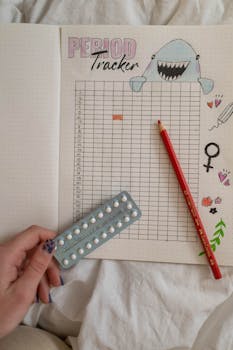
Deciding to quit birth control is a personal journey that can bring about several physiological changes. Understanding quit birth control side effects is vital for navigating this transition smoothly. Whether you’re considering stopping hormonal contraception to start a family, because of side effects, or for other reasons, the journey involves an adjustment period for your body.
Understanding Quit Birth Control Side Effects
When you stop taking birth control, your body begins the process of reverting to its natural hormonal cycle. This shift can lead to various changes, each person’s experience varying widely. For some, the adjustment is smooth, while for others, it may bring about temporary side effects.
Some common side effects include irregular menstrual cycles, changes in acne, and mood fluctuations. While these changes can be anticipated, it’s important to consult with your healthcare provider to manage them effectively.
The Return of Natural Menstrual Cycles
One of the primary changes when you quit birth control is the return of your natural menstrual cycle. It may take several months for your cycle to regulate itself. During this period, you might experience irregular periods or missed periods.
This unpredictability can be concerning, but, in most cases, it’s perfectly normal. If your cycles remain irregular beyond a few months, or if other symptoms become bothersome, reaching out to a healthcare provider can offer valuable insights and personal guidance.
Changes in Acne and Skin Health
While on birth control, many experience improved skin conditions as hormonal fluctuations are minimized. However, quitting birth control may cause acne to return or worsen before improving. This is due to the body’s hormonal system readjusting to its natural state.
Patience is key here, and maintaining a healthy skincare regimen can help manage these changes. If skin issues become severe, a dermatologist might suggest alternative treatments to help you through the transitional period.
Mood Swings and Emotional Changes
The hormonal changes that follow quitting birth control can also influence your mood. While many may feel an improvement, others might encounter mood swings or heightened emotional sensitivity. It’s important to acknowledge these feelings and seek support if necessary. Engaging in regular exercise, meditation, or speaking with a mental health professional can provide a stable emotional outlet during this transition.
For further healthy lifestyle tips, you might find this article on weight control and exercise helpful as exercise can also improve mood stability.
Weight Fluctuations
Another potential quit birth control side effect includes changes in weight. While some people experience weight loss due to a decrease in water retention, others might notice increased weight as their appetite changes. Ensuring a balanced diet and regular physical activity can help manage these changes effectively.
Long-term Health Considerations
While many quit birth control without long-term effects, being mindful of any significant changes in your health is important. Regular check-ups with your healthcare provider can help monitor your overall health during this period.
For in-depth information about health changes and how to manage them, the Wikipedia page on Health can provide a wealth of resources and information.
Ultimately, while the initial adjustment to quitting birth control can vary, most people find that they adjust to their natural cycles over time and learn to manage any side effects that may arise.
The Process of Adaptation
As with any significant change, quitting birth control requires a period of adjustment. Monitoring how you feel physically and emotionally is crucial. In some cases, the symptoms can be attributed to the body readjusting itself, but persisting concerns should always be discussed with a medical professional.
As you navigate the quit birth control side effects, maintaining a healthy lifestyle and keeping an open line of communication with your doctor can support your transition.
- Quitting birth control leads to hormonal adjustments.
- Common side effects include menstrual changes and acne.
- Emotional shifts might occur but usually stabilize over time.
- Weight changes can also happen but are manageable.
- Consult a healthcare provider with persistent concerns.
FAQs
What are the most common side effects after quitting birth control?
Common side effects include irregular periods, acne changes, mood swings, and possible weight fluctuations.
How long do side effects last after quitting birth control?
The duration varies, but many side effects normalize within a few months as the body adjusts to its natural hormonal cycle.
Can quitting birth control affect my weight?
Yes, some people experience weight changes; however, maintaining a balanced diet and regular exercise can help manage this.
Will my acne return after stopping birth control?
For some, acne may return or worsen temporarily due to hormonal adjustments. A skin care routine can help manage the effects.
When should I see a doctor after quitting birth control?
If you experience persistent or concerning symptoms after quitting birth control, it’s advisable to consult your healthcare provider for personalized advice.
Other Articles You May Find of Interest...
- Discovering the Timeline and Benefits of Ashwagandha for Women and Anxiety Relief
- Does Ovulation Cause Weight Gain? Understanding the Connection
- Natural Relief for Vaginal Atrophy: How Coconut Oil Can Help
- Navigating the Journey: What Happens When You Quit Birth Control?
- You’re Not Alone: Lactation Support for New Parents
- Is It Safe to Eat Lobster During Pregnancy?
- Can Yeast Infections Cause Bleeding? Exploring Symptoms and Solutions




