






Your Health Magazine
4201 Northview Drive
Suite #102
Bowie, MD 20716
301-805-6805
More Women's Health & Beauty Articles
Minimally Invasive Endometriosis Surgery Options in Miami
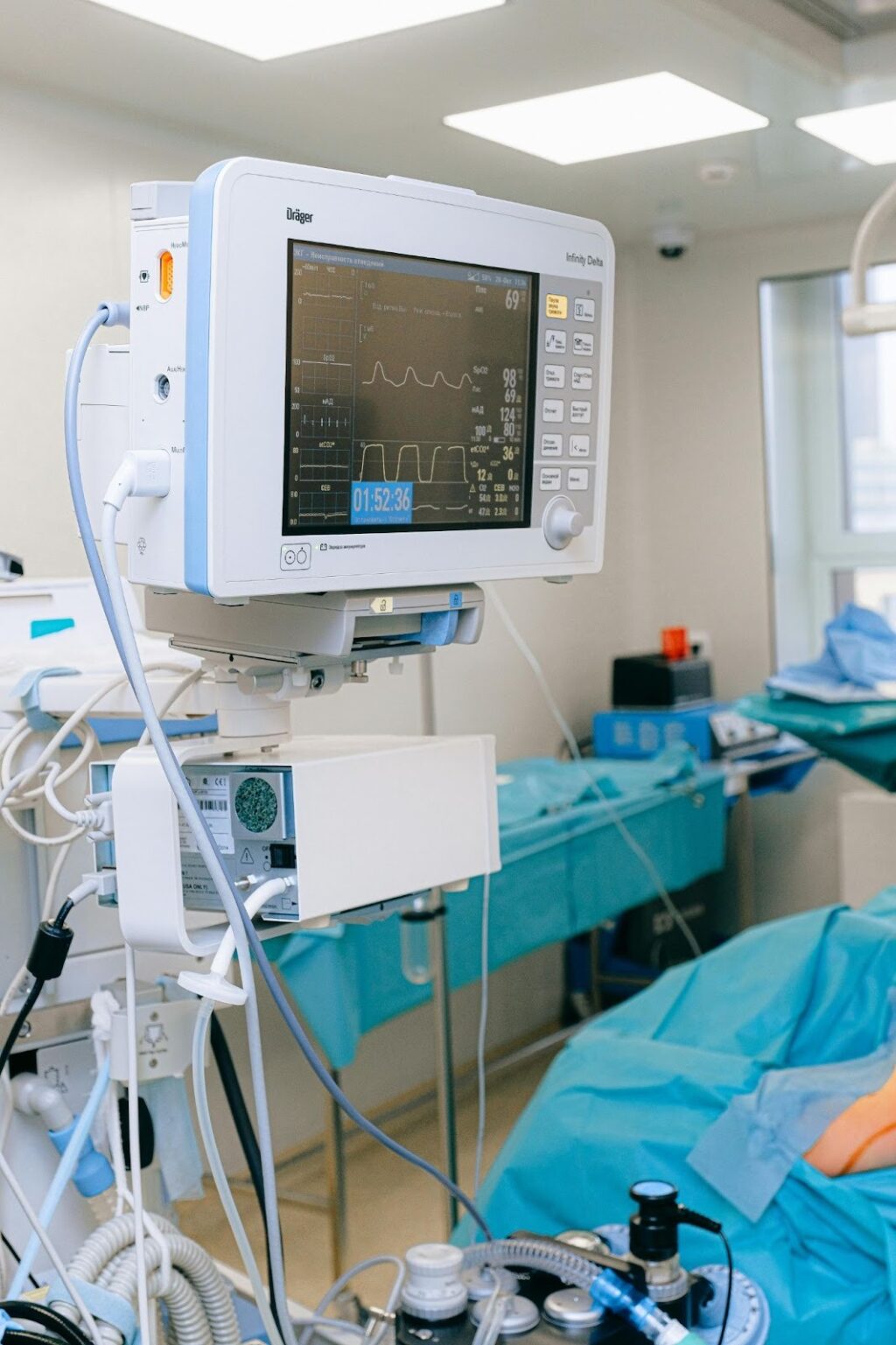
If you’re exploring treatment options for endometriosis in Miami, consider the advantages of minimally invasive surgery. Techniques like laparoscopy and robotic-assisted surgery offer precision and effectiveness in treating endometrial lesions. These procedures typically lead to quicker recovery, less pain, and minimal scarring compared to traditional surgery. As you weigh your options, understanding the benefits and intricacies of these advanced methods is pivotal. What’s the next step in your journey?
Understanding Endometriosis and Its Impact
Endometriosis, although often misunderstood, is a chronic condition where tissue similar to the lining inside the uterus grows outside it, causing pain and potential fertility issues. You might experience symptoms such as severe pelvic pain, particularly during menstruation, which can drastically impact your daily life. Effective hormone regulation is pivotal in managing endometriosis, as it can help reduce the growth and activity of endometrial-like tissue. Hormone therapies, including oral contraceptives and progestins, are often recommended to alleviate symptoms by suppressing ovulation and menstrual cycles. Additionally, pelvic pain management is essential for improving your quality of life. This can include non-steroidal anti-inflammatory drugs (NSAIDs) and other analgesics. Understanding these strategies aids in traversing the complexities of living with endometriosis.
The Role of Laparoscopy in Endometriosis Treatment
While various treatment options exist, laparoscopy remains an essential method in diagnosing and managing endometriosis. This minimally invasive procedure allows you to directly visualize the pelvic organs, making it a pivotal diagnostic procedure for confirming endometriosis. During a laparoscopy, small incisions are made, and a camera-equipped instrument is inserted, providing a clear view of the internal structures. This precise approach enables you to identify the exact location and extent of endometrial tissue.
In addition to diagnosis, laparoscopy is a preferred surgical approach for treating endometriosis. Surgeons can excise or ablate endometrial lesions during the procedure, which may relieve symptoms and improve fertility. Patients often benefit from consulting a leading endometriosis specialist in Miami to ensure the most effective and advanced care. The minimally invasive nature of laparoscopy generally results in shorter recovery times, less postoperative pain, and reduced scarring compared to traditional open surgery.
Robotic-Assisted Surgery: A Precision Approach
As the landscape of surgical options for endometriosis expands, robotic-assisted surgery emerges as a cutting-edge technique offering enhanced precision and control. Utilizing advanced robotic systems, this method provides unparalleled surgical precision, vital for excising endometrial tissue while preserving healthy structures. The robotic platform offers enhanced visualization through high-definition, 3D imaging, allowing surgeons to navigate complex anatomy with confidence.
In robotic-assisted procedures, the surgeon operates from a console, translating hand movements into precise micro-movements of the surgical instruments. This level of control minimizes tissue trauma and enhances outcomes. By integrating robotic technology, you can expect a refined approach to treating endometriosis, ensuring meticulous removal of lesions. In Miami, this innovative technique represents a significant advancement in minimally invasive surgery, addressing endometriosis with exceptional accuracy.
Benefits of Minimally Invasive Techniques
When considering the treatment options for endometriosis, minimally invasive techniques offer substantial benefits that enhance patient outcomes. These techniques, such as laparoscopic surgery, provide a shorter recovery time compared to traditional open surgeries. By utilizing small incisions and specialized instruments, patients experience less tissue damage, which leads to reduced postoperative pain and minimal scarring. This approach not only improves aesthetic results but also facilitates a quicker return to normal activities, allowing you to resume your daily routine with minimal disruption. Additionally, the precision of these techniques enables surgeons to effectively target endometrial lesions, enhancing the overall surgical success rate. Adopting minimally invasive procedures can considerably improve the quality of life for those suffering from endometriosis, making them a preferred choice in Miami and beyond.
Comparing Traditional and Minimally Invasive Surgeries
How do traditional and minimally invasive surgeries differ in treating endometriosis? Traditional surgery involves larger incisions, often requiring open abdominal procedures. This approach allows surgeons direct access but may lead to longer recovery time and increased risk of complications. In contrast, minimally invasive surgeries, such as laparoscopy, employ advanced surgical techniques that utilize small incisions and cameras. This precision reduces tissue damage.
You’ll find that minimally invasive methods generally result in shorter recovery time, less postoperative pain, and reduced hospital stays. Surgical techniques like robotic-assisted laparoscopy enhance precision, allowing for effective removal of endometrial tissue with minimal impact on surrounding areas. Ultimately, minimally invasive surgeries offer a technically advanced, patient-friendly approach, making them a preferred option for many seeking endometriosis treatment.
What to Expect During the Recovery Process
Although recovery experiences differ, understanding what to expect post-surgery can help you prepare effectively. Initially, you’ll likely experience some discomfort, but pain management strategies, such as prescribed medications, will help alleviate this. Your healthcare provider will guide you through specific pain management protocols tailored to your needs. It’s imperative to follow activity restrictions to guarantee optimal healing. Typically, you’ll be advised to avoid strenuous activities, heavy lifting, and exercise for a few weeks. Gradual reintroduction of activities is indispensable, starting with light walking as tolerated. Monitoring your body’s response during recovery is critical. Watch for signs of infection, such as increased pain or fever, and report them promptly. Regular follow-up appointments will aid in tracking your recovery progress.
Choosing the Right Surgeon in Miami
Selecting the right surgeon in Miami for endometriosis surgery is pivotal for guaranteeing ideal outcomes. You’ll want to focus on a few key aspects to make an informed decision:
- Surgeon Qualifications: Verify board certifications and specialized training in minimally invasive endometriosis procedures. This safeguards the surgeon has the necessary skills and expertise.
- Patient Reviews: Look for testimonials and feedback from previous patients. Positive reviews can indicate the surgeon’s ability to communicate effectively and provide satisfactory results.
- Experience: Consider how many endometriosis surgeries the surgeon has performed. A seasoned surgeon is likely to be more adept at handling complex cases.
Preparing for Your Surgical Consultation
Before your surgical consultation for endometriosis in Miami, it’s indispensable to prepare extensively to guarantee you capitalize on the opportunity for clear communication and information gathering. Start by compiling a comprehensive list of symptoms, medical history, and prior treatments. Make certain you understand any required preoperative tests, such as blood work or imaging studies, as these will inform your surgical plan. Discuss pain management strategies with your healthcare provider, focusing on both pre- and postoperative periods to determine suitable options tailored to your needs. Prepare a list of questions about the procedure, recovery expectations, and potential risks. By organizing your thoughts and questions beforehand, you’ll facilitate a productive dialogue, guaranteeing you’re well-informed and confident in the surgical journey ahead.
Post-Surgery Care and Lifestyle Adjustments
Traversing post-surgery care for endometriosis in Miami requires a structured approach to guarantee ideal recovery. Key components include:
- Dietary Modifications: Implementing a balanced diet rich in anti-inflammatory foods can substantially aid healing. Focus on incorporating omega-3 fatty acids, fiber, and antioxidants to minimize inflammation and support tissue repair.
- Physical Therapy Recommendations: Adhering to a personalized physical therapy program can enhance mobility and reduce discomfort. Sessions may involve gentle stretching, strengthening exercises, and pelvic floor therapy tailored to your specific needs.
- Routine Follow-Ups: Regular postoperative check-ups are pivotal for monitoring progress and addressing any complications. These appointments provide opportunities to adjust your care plan, ensuring paramount recovery.
Incorporating these elements into your post-surgery routine will help you achieve a smoother, more efficient recovery process.
Patient Success Stories and Testimonials
While many patients face the challenges of endometriosis surgery, numerous success stories and accounts highlight the transformative impact of choosing the right surgical options in Miami. Patient experiences often reveal significant improvements in quality of life and symptom relief post-surgery. These narratives emphasize how minimally invasive techniques, such as laparoscopy, lead to ideal treatment outcomes. You’ll find reports of reduced recovery times, minimal scarring, and effective management of pain and infertility issues.
Testimonials frequently underscore the importance of selecting skilled surgeons and advanced facilities to enhance success rates. Patients report substantial enhancements in daily functioning, affirming that precise surgical interventions can drastically alter their endometriosis journey. These stories serve as an attestation to the benefits of tailored, expert-driven treatment plans.
Frequently Asked Questions
Are There Any Specific Risks Associated With Minimally Invasive Endometriosis Surgery?
Yes, there’re specific risks with minimally invasive endometriosis surgery. Potential complications include bleeding, infection, and damage to surrounding organs. Anesthesia considerations are pivotal, involving potential reactions or complications during or after the procedure, requiring attentive monitoring.
How Long Does a Minimally Invasive Endometriosis Surgery Typically Take?
Minimally invasive endometriosis surgery typically takes about 1 to 3 hours, depending on the surgical technique. Your recovery timeline varies, but most patients return to normal activities within 2 to 4 weeks post-operation.
Can Minimally Invasive Surgery Address All Stages of Endometriosis?
Minimally invasive surgery can address all endometriosis stages, though surgical technique limitations may arise with severe cases. It’s indispensable to discuss options with your specialist for effective long-term symptom management and tailored treatment approaches, ensuring ideal outcomes.
What Dietary Changes Can Support Recovery After Minimally Invasive Surgery?
Incorporate anti-inflammatory foods like turmeric and omega-3 rich fish into your diet post-surgery. Consider nutritional supplements such as vitamin D and magnesium to support healing. These changes can reduce inflammation and promote recovery effectively.
Is Minimally Invasive Endometriosis Surgery Covered by Insurance in Miami?
Typically, insurance plan coverage for minimally invasive endometriosis surgery depends on your specific policy. Review your insurance documents or contact your provider to understand endometriosis treatment costs, ensuring the procedure falls under covered medical expenses in Miami.
Other Articles You May Find of Interest...
- Is the PCOS Blood Test Right for You? Discover the Benefits and Insights
- Exploring the Benefits and Uses of Loestrin Fe 1/20 for Women’s Health
- Are Blood Clots During Your Period Normal?
- The Benefits of Continuity of Care in Gynaecological Health
- What to Expect Two Weeks After Taking Plan B?
- Is Perimenopause Acne Hiding Your Glow? Discover Effective Solutions!
- Everything You Need to Know About Tampons



