More Women's Health & Beauty Articles
Everything You Need to Know About Tampons
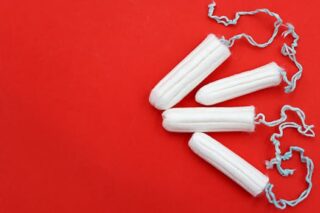
When it comes to understanding the question “what are tampons,” it’s important to recognize that tampons are a popular form of menstrual hygiene product. They are designed to be inserted into the vagina during menstruation to absorb menstrual fluid. Tampons are typically made of cotton, rayon, or a blend of both, making them both absorbent and comfortable for many users.
What Are Tampons?
Tampons are small, cylindrical products used to manage menstrual flow. They come in various sizes and absorbency levels to cater to different menstrual flows. The choice of tampon often depends on an individual’s personal preference, flow level, and comfort.
The tampon is inserted into the vagina with or without the help of an applicator, depending on the design. Some tampons have a cardboard or plastic applicator, while others are inserted using the fingers. Once inserted correctly, a tampon should be comfortable and unnoticeable.
How to Use Tampons Safely
Using tampons safely is critical to prevent discomfort and infections like Toxic Shock Syndrome (TSS). It’s essential to change tampons regularly, every 4 to 8 hours, and to select the correct absorbency level for your flow. Using tampons overnight is generally considered safe if changed at the start and end of sleep.
To insert a tampon, wash your hands, unwrap the tampon, and find a comfortable position. If using an applicator, insert it into the vaginal opening at a slight angle. If using a non-applicator tampon, guide it in with your fingers. Ensure the string hangs outside the body for easy removal.
Different Types of Tampons
There are different types of tampons to suit various needs. Features vary based on absorbency, materials, and the presence of an applicator. Sizes range from regular to super plus, catering to light to heavy menstrual flows respectively.
Some tampons are scented, but it is generally advised to use unscented tampons to avoid potential irritation or allergic reactions. Organic tampons are also available, typically made from 100% cotton with no added chemicals or fragrances.
Benefits of Using Tampons
One of the main benefits of tampons is their convenience and discretion. They allow users to engage in physical activities such as swimming without restrictions. Tampons also fit easily into a purse or pocket for on-the-go needs.
Another advantage is their role in reducing waste compared to some other menstrual products, as they are smaller and usually biodegradable. However, it is crucial to dispose of tampons responsibly, preferably not by flushing them down the toilet.
Considerations Before Using Tampons
Before choosing to use tampons, it’s important to consider individual comfort levels and any personal or medical concerns. Those with certain medical conditions should consult a healthcare provider for guidance on using tampons.
Furthermore, individuals new to tampons may opt for smaller sizes initially and experiment to find which type works best for their bodies and lifestyles.
If you’re exploring various menstrual products and their implications on aspects like fertility, you might be interested in reading more about fertility beyond traditional treatments.
Internal and External Resources
For further understanding of menstrual products and their impact on health, you may find information from reliable sources, such as academic journals and government health sites, beneficial. An excellent resource to start with is the Wikipedia page on tampons, which provides comprehensive information about their history, use, and safety.
Conclusion
Overall, determining “what are tampons” involves understanding their role as a menstrual hygiene product, their usage, benefits, and necessary precautions. While tampons are a common choice for many, selecting the right product requires consideration of comfort, hygiene, and personal preference.
- Tampons are a widely used menstrual product designed to absorb menstrual fluid.
- They come in various sizes and with applicator options to suit different users.
- Correct usage and regular changing are essential for safety.
- Consider individual needs and consult a healthcare provider if unsure.
- Use responsibly and dispose of them correctly to minimize environmental impact.
FAQ
Do tampons hurt to insert or remove?
Inserting a tampon should not hurt if done correctly. If you experience discomfort, you might want to try a different position or tampon size. Removal should also be painless—don’t pull on the string aggressively. If it’s uncomfortable to remove, the tampon may still be too dry.
Can I sleep with a tampon in?
Yes, you can sleep with a tampon in, but ensure to change it before going to bed and again in the morning if it’s been worn for 8 hours.
Are tampons safe for teens and first-time users?
Tampons can be safely used by teens and first-time users. It often helps to start with the smallest size for comfort and gradually try different options to find what fits best.
How often should tampons be changed?
Change tampons every 4 to 8 hours, depending on your menstrual flow. Never exceed 8 hours to minimize the risk of TSS.
Can tampons be flushed down the toilet?
It’s not recommended to flush tampons down the toilet as they can cause plumbing issues and harm the environment. Always wrap them in toilet paper and dispose of them in a waste bin.
Other Articles You May Find of Interest...
- Discharge vs. Amniotic Fluid: How to Tell the Difference
- The Health Benefits Of Slowing Down
- When Taking Care Of Everyone Else Becomes Too Much
- A Partner For Peace
- Nervous About Seeing a Vulvar Specialist? What Your First Visit May Involve
- Vaginal Rejuvenation Devices: What They Promise and What Evidence Shows
- Can Sperm Affect a Home Pregnancy Test Result?