






More Women's Health & Beauty Articles
Mastering the Menstrual Cup: A Comprehensive Guide to Usage and Benefits
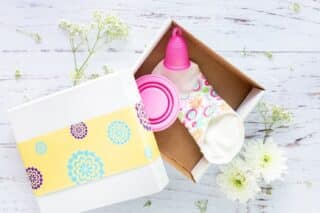
Understanding the ins and outs of using a menstrual cup is essential for those interested in eco-friendly menstrual care. This guide explores the menstrual cup, how to use it effectively, and the range of benefits it offers. Whether you’re new to menstrual cups or looking for optimization tips, this article is your comprehensive resource.
What is a Menstrual Cup?
A menstrual cup is a reusable feminine hygiene product made from medical-grade silicone, rubber, or latex. Shaped like a small bell, it is inserted into the vagina to collect menstrual fluid. Unlike tampons and pads, which absorb fluid, cups catch and hold it, offering a sustainable alternative.
Menstrual Cup How to Use
Using a menstrual cup can maximize comfort and compliance when done correctly. Here are the steps you need to ensure seamless usage:
- Wash Your Hands: Always start with clean hands to prevent infections.
- Fold the Cup: There are several folding techniques, such as the C-fold or punch-down fold. Experiment to find the method that works best for you.
- Insert the Cup: Find a comfortable position, such as squatting. Relax your pelvic muscles and gently insert the folded cup rim first.
- Ensure Proper Placement: The cup should sit low in the vaginal canal. Rotate if needed to create a seal, which prevents leaks.
- Remove and Clean: Most cups can be worn for up to 12 hours. To remove, gently pinch the base to release the seal and pull it out. Always wash with mild soap and water before reinsertion.
Benefits of Using a Menstrual Cup
Menstrual cups provide numerous advantages over traditional disposable menstrual products:
- Environmentally Friendly: By opting for a reusable option, you reduce waste from disposable pads and tampons.
- Cost-Effective: While the initial investment is higher, the long-term savings are significant as one cup can last several years.
- Less Odor: Cups collect rather than absorb fluid, minimizing the odor associated with menstrual blood exposure to air.
- Extended Wear Time: Suitable for up to 12 hours of use, depending on your flow, providing more convenience and freedom, especially when traveling or during hectic days.
Tips for First-Time Users
Trying a menstrual cup for the first time can be a bit daunting, but these tips can help ease the transition:
- Practice During Your Lighter Days: This allows you to become accustomed to the process with less concern about leakage.
- Use Water-Based Lubricant: If inserting is challenging, a water-based lubricant can facilitate easier insertion.
- Be Patient: The initial learning curve is normal. It may take a few cycles to become completely comfortable.
Cleaning and Maintenance
Proper care extends the life of your menstrual cup:
- Daily Cleaning: Use unscented, mild soap and warm water. Avoid harsh or antibacterial soaps that can degrade the silicone.
- Monthly Sterilization: Between cycles, sterilize by boiling the cup in water for five to ten minutes to maintain hygiene.
- Storage: Store your cup in a breathable cotton pouch, not in an airtight container, to prevent dampness and odor.
For More Information
If you are interested in other health management techniques, you may wish to explore safe and effective weight loss approaches that synergize well with a healthy lifestyle.
Why Consider a Menstrual Cup?
Adopting a menstrual cup speaks to both personal and environmental interests. Whether you’re committed to reducing your carbon footprint or seeking comfort and convenience, cups offer several noteworthy benefits. As always, consult with a healthcare provider for personalized advice tailored to your unique health needs.
For a comprehensive summary of health-related subjects, consult reputable resources such as this Health Overview on Wikipedia.
Takeaways
- Menstrual cups, with proper use, offer an eco-friendly, cost-effective alternative to tampons and pads.
- Comfort and acceptance may take several cycles to achieve; patience is key.
- Comprehensive cleaning and maintenance are essential for durability and hygiene.
- Consult reputable health resources for further information and guidance.
- Always consider consulting a healthcare professional for personalized advice.
Frequently Asked Questions
How do I know if the cup is inserted correctly?
If inserted correctly, you shouldn’t feel the cup, and there should be no leaks. A proper seal forms when the cup is spun in a complete circle in the vaginal canal.
Is it safe to use a menstrual cup overnight?
Yes, most menstrual cups can be worn for up to 12 hours, making them ideal for overnight use. However, individual flow levels may dictate shorter wear times. Check with your healthcare provider for best practices.
Can virgins use menstrual cups?
Virgins can use menstrual cups, although insertion may require patience and practice. It is important to choose the right size and technique that feels comfortable.
What should I do if my menstrual cup causes discomfort?
Discomfort can be due to improper placement or size. Try repositioning the cup or consulting with a medical professional about different sizes or brands that might suit you better.
Will a menstrual cup increase my risk of infections?
When cleaned and maintained properly, menstrual cups do not increase the risk of infections. Proper hygiene practices, such as hand washing and regular sterilization, are essential.
Other Articles You May Find of Interest...
- Mastering the Menstrual Cup: A Comprehensive Guide to Usage and Benefits
- Is Having a Baby at 40 Selfish? Exploring the Choices and Challenges
- Recognizing the Signs of Ovulation After Birth Control: What to Expect
- Coping with Post Menstrual Syndrome: Tips for Relief and Wellness
- Can Cranberry Juice Alleviate Cramps and Combat Yeast Infections?
- Coconut Oil: A Natural Remedy for Vaginal Dryness?
- Exploring the Benefits of Prenatal Vitamins When You’re Not Pregnant




