More Women's Health & Beauty Articles
Is Your IUD Causing Bloating? Understanding the Connection
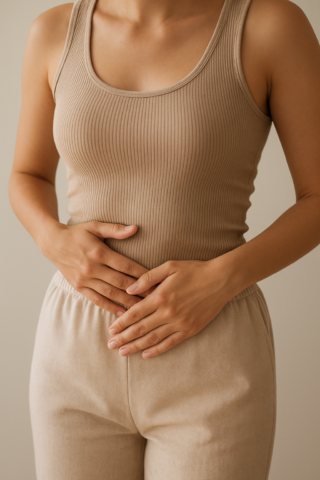
Feeling bloated can be uncomfortable and sometimes concerning, especially if you’ve recently had an intrauterine device (IUD) placed. Many women wonder if there’s a direct connection between experiencing bloating and having an IUD. While it’s common to have some initial side effects after getting an IUD, such as bloating, it’s essential to understand what causes it and how you can manage these symptoms effectively.
Understanding the IUD Bloating Connection
An IUD is a small contraceptive device placed in the uterus. It can be hormonal or non-hormonal and is known for being a highly effective form of birth control. However, some women report feeling bloated after getting an IUD. This can happen because hormonal IUDs, which release levonorgestrel, may cause water retention or other changes that lead to a bloated feeling. Non-hormonal IUDs, like copper IUDs, are less likely to cause bloating, but they can still affect menstrual cycles in ways that might lead to temporary discomfort.
How IUDs Work
Understanding the function of an IUD helps clarify why some side effects, like bloating, occur. Hormonal IUDs release a small amount of progestin daily, thickening the cervical mucus and sometimes stopping ovulation. This hormonal shift may cause changes in fluid retention. On the other hand, copper IUDs, which do not contain hormones, may sometimes cause heavier periods, which can include bloating as a symptom.
When to Seek Care
If you experience severe or persistent bloating along with other symptoms such as pain, changes in menstruation, or discomfort during intercourse, it’s crucial to consult a healthcare provider. A gynecologist or a healthcare professional specializing in reproductive health can evaluate your symptoms and determine whether the IUD or another issue may be the cause. They may also check for IUD placement issues or other underlying conditions.
Practical Tips for Managing Bloating
Bloating can be managed with some practical approaches:
- Ensure a balanced diet rich in fiber, as this can help regulate digestion.
- Stay hydrated to reduce fluid retention.
- Engage in regular physical activity which can help relieve bloating.
- Monitor dietary triggers that may worsen bloating, such as certain carbohydrates.
- Consider natural remedies that may provide relief, but consult your doctor before trying any new supplements.
What to Know Before and After Getting an IUD
Before getting an IUD, discuss potential side effects with your healthcare provider to set realistic expectations. After placement, it’s normal to experience some side effects as your body adjusts. However, these often subside within a few months. Discuss any persistent or concerning symptoms with your provider to ensure your well-being.
Exploring Other Influential Factors
It’s also worth considering how other lifestyle factors affect your symptoms. Stress, diet, and exercise can all influence how your body reacts to a new IUD. Making healthy lifestyle choices can significantly impact how you feel overall. To learn more about how these factors affect your health, you can read our article on lifestyle choices and overall health.
External Information Sources
For further reading on health topics, including reproductive health, you can visit the extensive resource provided by MedlinePlus.
If you find yourself wondering, “Is my IUD causing me to feel bloated?”, it’s helpful to consider the type of IUD you have and any additional lifestyle factors. Remember, if you’re unsure or uncomfortable, your healthcare provider is your best resource for personalized advice and care.
- Bloating can be a temporary side effect of IUDs, particularly hormonal ones.
- Diet, hydration, and lifestyle adjustments can help manage symptoms.
- Consult a healthcare provider if symptoms persist.
- Understanding your IUD type is crucial in anticipating potential side effects.
- Further information on health topics is available through trusted resources.
Common Questions
Is it normal to feel bloated after getting an IUD?
Yes, some bloating can be normal as your body adjusts to the IUD. However, symptoms often subside over time. If they persist, consult your healthcare provider.
What type of provider should I see for IUD-related issues?
A gynecologist or a healthcare provider specializing in women’s health can help evaluate and address any IUD-related concerns.
Can lifestyle changes help alleviate IUD-related bloating?
Yes, maintaining a healthy diet, staying hydrated, and regular exercise can help manage bloating symptoms.
Are there different side effects for hormonal vs. non-hormonal IUDs?
Yes, hormonal IUDs may lead to different side effects like hormonal changes and bloating, whereas non-hormonal IUDs might affect menstrual cycles more directly.
When should I consider an alternative birth control method?
If side effects like bloating or discomfort significantly impact your daily life and do not improve, discuss alternative options with your healthcare provider.
Other Articles You May Find of Interest...
- The Science Of Firmer, More Radiant Skin
- How Acupuncture Supports Women’s Health
- Women and Gorgeous Smiles
- The Forgotten Pillar Of Total Wellness
- Menopause at Work: Why Women’s Health Is Becoming a Workplace Issue
- Heavy Menstrual Bleeding: Common Causes, Warning Signs and When to See a Gynecologist
- Low Albumin During Pregnancy: Common Causes and When It Matters