






More Women's Health & Beauty Articles
Is Spotting After Your Period Normal? Understanding the Causes and Implications
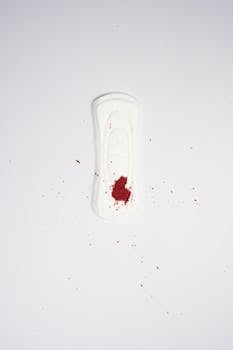
Spotting after your period can be concerning, especially if you’re not sure why it’s happening. This article explores some common causes and implications, giving you a clearer understanding of what to expect and when to consult a healthcare professional.
Understanding Spotting After Period
Spotting after your period refers to light vaginal bleeding that occurs outside of your regular menstrual cycle. It’s not unusual to experience this from time to time, but persistent or heavy spotting can signal an underlying issue. Factors such as hormonal imbalances, stress, or contraceptive use are common culprits.
Common Causes of Spotting
Hormonal Fluctuations
Changes in hormone levels can lead to spotting. This is often seen during puberty, perimenopause, or when starting or stopping hormonal contraceptives. Estrogen and progesterone play key roles in regulating the menstrual cycle, and any imbalance can result in unexpected bleeding.
Contraceptive Methods
Using birth control, especially hormonal ones like the pill, patch, or an IUD, may cause spotting. This side effect often decreases over time as the body adjusts. However, if spotting persists or becomes heavy, it’s wise to discuss this with your healthcare provider.
Stress and Lifestyle Factors
Stress can significantly impact your menstrual cycle, causing spotting after your period. Lifestyle changes, including significant weight loss or gain, increased exercise, and poor sleep, also contribute to hormonal imbalances.
Underlying Health Conditions
Sometimes, spotting after your period can indicate an underlying health condition such as polycystic ovary syndrome (PCOS) or thyroid disorders. For those with PCOS, medications like metformin may be used to manage symptoms. Always consult a healthcare professional for a proper diagnosis.
Pregnancy-Related Spotting
Spotting can occur in early pregnancy, often referred to as implantation bleeding. It’s usually lighter and shorter than a regular period. However, if you’re pregnant and experience spotting, it’s advisable to consult a healthcare provider to ensure there are no complications.
Infections and STIs
Infections, including sexually transmitted infections (STIs), can cause inflammation and spotting. Symptoms may include unusual discharge or odor, requiring medical assessment and treatment.
When to Seek Medical Advice
If spotting is accompanied by severe pain, dizziness, or if it becomes heavy, seek medical attention immediately. These symptoms may indicate an ectopic pregnancy or other significant concerns that require prompt care. Regular check-ups can ensure that your reproductive health remains optimal.
Spotting as a Sign of Perimenopause
During perimenopause, hormonal changes lead to disruptions in the menstrual cycle, including spotting after your period. While it’s a natural phase, persistent or bothersome symptoms should be evaluated.
Spotting After Menopause
Spotting after menopause is less common and should be investigated. It could be a sign of uterine fibroids, polyps, or more significant conditions like endometrial hyperplasia, warranting medical evaluation.
Having a detailed discussion with your healthcare provider can help address any concerns. They can offer guidance on treatment options or further tests to understand the cause better.
For more general information on health, you can visit this article on health.
Conclusion
Spotting after your period can have various causes, ranging from hormonal fluctuations to health conditions. Monitoring your symptoms and seeking medical advice when necessary ensures that any underlying issues are addressed appropriately.
- Spotting after your period can be due to hormonal changes, stress, or contraceptives.
- Persistent spotting should be evaluated by a healthcare professional.
- Infections or STIs may also result in spotting.
- Spotting in early pregnancy, known as implantation bleeding, is usually light.
- Medical advice is crucial for spotting after menopause.
FAQs
What is spotting after period?
Spotting after the period is light bleeding that occurs outside of your regular menstrual cycle and can have various causes.
Can stress cause spotting?
Yes, stress can contribute to hormonal imbalances, leading to spotting or irregular periods.
Is spotting a sign of pregnancy?
Spotting can occur in early pregnancy as implantation bleeding. Confirm with a healthcare professional if you suspect pregnancy.
When should I worry about spotting?
If spotting is heavy, accompanied by other symptoms, or occurs after menopause, seek medical advice promptly.
Can birth control cause spotting?
Yes, many hormonal contraceptives can cause spotting, especially when starting or stopping them. Consult your healthcare provider if it persists.
Other Articles You May Find of Interest...
- Discover the Health Benefits of Wild Yam Root for Women’s Wellness
- Navigating Low Grade Squamous Intraepithelial Lesion: Key Insights for Better Health
- Navigating Changes: What to Expect with Pregnancy Nipples
- Managing Period Cramps During Pregnancy in the Third Trimester: What You Need to Know
- Discover Birth Control Options That Won’t Cause Weight Gain
- Is It Safe to Take Robitussin While Pregnant?
- What Is Symmastia and How Can It Affect Your Health?



