






More Women's Health & Beauty Articles
Is Perimenopause Acne Hiding Your Glow? Discover Effective Solutions!
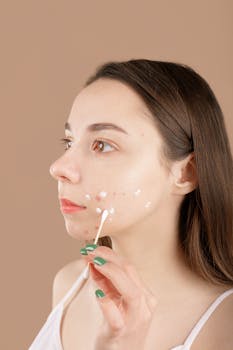
Perimenopause is a natural transition period in a woman’s life, yet it often brings unexpected changes, including skin concerns like perimenopause acne. This type of acne can be frustrating and affect your confidence, but understanding its causes and effective solutions can help you manage it effectively.
Understanding Perimenopause Acne
Perimenopause refers to the time when a woman’s body transitions towards menopause, leading to hormonal fluctuations that can trigger acne. As estrogen levels decline, they may increase androgen hormones, which promote higher sebum production in the skin. This excess sebum can clog pores and cause breakouts.
Many women over the age of 40 experience perimenopause acne due to these hormonal changes. While acne is traditionally associated with teenagers, adult women are no strangers to this skin condition, particularly during perimenopause.
Identifying the Symptoms
Perimenopause acne typically manifests as red, inflamed spots around the jawline, chin, and mouth. It may be accompanied by dryness or sensitivity, which makes it a bit different from the oily teenage acne.
The breakouts can vary, from whiteheads and blackheads to deep cystic acne, which is painful and can be difficult to treat without professional help.
Effective Solutions for Perimenopause Acne
Managing perimenopause acne requires a comprehensive approach that considers the unique needs of mature skin. Here are some strategies to consider:
Skincare Routine Adjustments
Revamping your skincare routine can significantly impact acne management. Use gentle cleansers that won’t strip your skin of moisture. Consider including products with salicylic acid or glycolic acid for exfoliation to unclog pores and reduce inflammation.
Moisturizers and serums containing non-comedogenic and hydrating ingredients will help maintain skin balance without exacerbating acne. Retinoids are also popular for their ability to speed up cell turnover; however, they should be used with caution and in consultation with a dermatologist.
Lifestyle and Dietary Considerations
A balanced lifestyle, including a nutritious diet, can play a crucial role in managing perimenopause acne. Research suggests that a diet rich in fruits, vegetables, lean proteins, and whole grains may support skin health.
Alongside your skincare regimen, regular exercise and stress management techniques, such as yoga or meditation, can improve overall wellbeing and potentially reduce breakout frequency. For additional insights, check out our article on safe and effective approaches to maintaining a healthy weight.
Professional Treatments
If over-the-counter solutions are ineffective for your perimenopause acne, consider consulting a dermatologist. They might recommend treatments such as chemical peels, laser therapy, or prescription medications to better manage your acne.
Hormonal treatments can also be an option, targeting the hormonal imbalances responsible for acne. However, these should only be pursued under medical supervision.
Concluding Thoughts on Perimenopause Acne
Perimenopause acne is a common yet manageable condition. By understanding its causes and exploring various treatment options, you can achieve healthier skin and restore your natural glow. For more comprehensive health and wellness information, visit this page on Wikipedia.
- Perimenopause acne is caused by hormonal changes during the transition to menopause.
- Gentle skincare products and a balanced diet can help manage acne symptoms.
- Consult a dermatologist for tailored treatments if over-the-counter options don’t work.
- Stress reduction techniques like yoga can play a supportive role in acne management.
What is perimenopause and how does it affect the skin?
Perimenopause is the transitional period before menopause, characterized by hormonal fluctuations that can lead to skin changes including acne. As estrogen declines, increased androgens can result in excess oil production and clogged pores.
Are there lifestyle changes that can help reduce perimenopause acne?
Yes, maintaining a balanced diet, regular exercise, and managing stress can contribute positively. Stress management techniques like meditation and yoga may also reduce breakout frequency.
What skincare ingredients should I look for?
Look for products containing salicylic acid, glycolic acid, and non-comedogenic hydrating ingredients. Retinoids can also be beneficial but seek professional advice before use.
When should I see a dermatologist?
If over-the-counter medications are not effective or if you have severe acne characterized by painful cysts, consult a dermatologist for professional treatment options such as prescription medications or hormonal treatments.
Can hormonal treatments help in managing perimenopause acne?
Hormonal treatments can be effective in addressing the hormonal causes of perimenopause acne, but they should be administered under the supervision of a healthcare provider to ensure safety and efficacy.
Other Articles You May Find of Interest...
- The Benefits of Continuity of Care in Gynaecological Health
- What to Expect Two Weeks After Taking Plan B?
- Is Perimenopause Acne Hiding Your Glow? Discover Effective Solutions!
- Everything You Need to Know About Tampons
- Signs It’s Time for a Woman to Consult an Endocrinologist
- Can Plan B Cause Your Period to Arrive Earlier?
- Living with Stage 4 Endometriosis: Insights and Support for Your Journey




