






More Women's Health & Beauty Articles
Is Loryna Contraceptive Right for You and Your Health Needs?
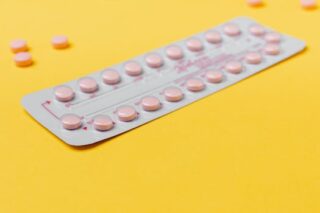
If you’re considering contraceptive options, you may want to explore the use of the Loryna contraceptive. Loryna is a hormonal birth control pill often discussed among women who seek an effective method to prevent pregnancy. In addition to its contraceptive function, many individuals find interest in how it might address other health concerns. Understanding how Loryna functions, its potential benefits, and what to consider can help you decide if it’s suitable for your health needs.
Understanding the Loryna Contraceptive
The Loryna contraceptive is a type of oral birth control pill that contains a combination of hormones. These hormones, estrogen and progestin, work together to prevent ovulation. Without ovulation, there’s no egg for sperm to fertilize, which effectively prevents pregnancy. The pill also causes changes in the cervical mucus and uterine lining that make it difficult for sperm to reach the uterus and for a fertilized egg to attach to the uterus.
Loryna is taken orally once a day, usually at the same time each day, to maintain its effectiveness. Consistency is key when it comes to taking Loryna, as missed doses can reduce its efficacy. Many women choose Loryna not only for its contraceptive benefits but also for its potential to help manage other conditions such as acne or premenstrual dysphoric disorder (PMDD).
How Effective Is Loryna?
When taken correctly and consistently, Loryna is over 99% effective at preventing pregnancy. However, real-world effectiveness can vary, typically dropping to about 91% due to missed pills or other miscarriages in regular use. To ensure optimal effectiveness, it’s crucial to follow the prescribed schedule.
It’s important to consult with your healthcare provider when considering Loryna. They can provide guidance tailored to your personal health profile and discuss alternative options if needed.
Health Considerations and Possible Side Effects
While many women use Loryna without significant issues, as with any medication, there are potential side effects to be aware of. Common side effects include nausea, headaches, breast tenderness, and mood changes. In rare cases, more serious side effects may occur, such as blood clots, particularly in smokers over the age of 35.
Discussing comprehensive health information with your healthcare provider can help you weigh the benefits and risks. You can learn more about hormonal contraception and its effects on the Wikipedia page on Hormonal Contraception.
Additional Benefits of the Loryna Contraceptive
Beyond pregnancy prevention, Loryna may offer other health benefits. Many users report improvements in acne, a reduction in menstrual pain, and lighter periods. Some women with PCOS (Polycystic Ovary Syndrome) have noticed a regulation in their menstrual cycles while using hormonal birth control. For more information about related treatments, you might find our article on metformin use in PCOS insightful.
Deciding If Loryna Is Right for You
Deciding on whether Loryna is appropriate involves considering your lifestyle, health history, and reproductive plans. It’s essential to have an open dialogue with your healthcare provider, who can offer personalized advice and address any concerns you might have.
Before starting Loryna, potential users might complete a health screening to ensure there are no underlying conditions that could be exacerbated by oral contraceptives. This is common practice with all hormonal contraceptives, ensuring both safety and effectiveness for the user.
Whether you are focusing solely on birth control or seeking benefits like acne management, understanding the full scope of what Loryna contraceptive offers is key to making an informed decision. As always, stay informed and consult your healthcare provider for all medical decisions.
Conclusion: Is the Loryna Contraceptive Right for You?
Choosing the right contraceptive is a personal decision that involves weighing the advantages and potential side effects. The Loryna contraceptive offers many benefits, though discussing your specific needs with a healthcare provider is vital to ensure it aligns with your health goals. Whether you’re considering birth control options for pregnancy prevention or other health benefits, making an educated choice will always be advantageous.
- Loryna is a hormonal contraceptive pill containing estrogen and progestin.
- It is over 99% effective when used as directed.
- Potential side effects include nausea, weight changes, and mood swings.
- It may also help with acne and menstrual cycle regulation.
- Consult a healthcare provider for personalized advice.
Is Loryna effective in treating acne?
Loryna may help reduce acne by stabilizing hormone levels, though results can vary among individuals. Consult with your dermatologist for more personalized advice.
Can I use Loryna if I have PCOS?
Many women with PCOS use Loryna to help regulate their menstrual cycles. However, it’s crucial to discuss this option with your healthcare provider to ensure it’s safe and effective for your specific situation.
What should I do if I miss a dose of Loryna?
If you miss a dose, take it as soon as you remember. If more than one pill is missed, refer to the instructions that come with your pack or contact your healthcare provider for further guidance.
Are there any serious risks associated with Loryna?
As with all hormonal contraceptives, there is a small risk of blood clots; this risk increases in women who smoke or are over 35. Discuss any potential risks with your healthcare provider.
How should I store my Loryna contraceptives?
Store your Loryna at room temperature away from moisture and heat. Always keep medications out of reach of children and pets.
Other Articles You May Find of Interest...
- Discover the Health Benefits of Wild Yam Root for Women’s Wellness
- Navigating Low Grade Squamous Intraepithelial Lesion: Key Insights for Better Health
- Navigating Changes: What to Expect with Pregnancy Nipples
- Managing Period Cramps During Pregnancy in the Third Trimester: What You Need to Know
- Discover Birth Control Options That Won’t Cause Weight Gain
- Is It Safe to Take Robitussin While Pregnant?
- What Is Symmastia and How Can It Affect Your Health?




