





Exploring Effective Non Hormonal Birth Control Options for Your Health

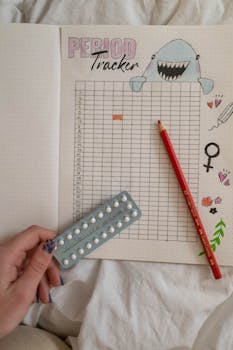
If you are considering birth control methods and want to avoid hormones, you are not alone. Non hormonal birth control options have become increasingly popular for those seeking alternatives that don’t influence the body’s hormonal system. These methods rely on a variety of mechanisms to prevent pregnancy and can be just as effective as hormonal options when used correctly.
Understanding Non Hormonal Birth Control
Non hormonal birth control refers to methods that do not alter the body’s natural hormone levels. These options include barriers, fertility awareness, and permanent solutions, among others. The choice of method depends on individual preferences, lifestyle, and health considerations.
Barrier Methods: A Physical Block
Barrier methods are one of the most widely used non hormonal birth control options. They work by creating a physical barrier that prevents sperm from reaching the egg. Let’s look at some popular barrier methods:
- Male condoms: Made from latex or polyurethane, they are worn over the penis during intercourse.
- Female condoms: These are inserted into the vagina before intercourse to block sperm entry.
- Diaphragms and cervical caps: These silicone devices are placed over the cervix to prevent sperm from entering.
These methods can also provide protection against sexually transmitted infections (STIs), an advantage not offered by hormonal alternatives.
Fertility Awareness Methods
Fertility awareness, or natural family planning, involves tracking the menstrual cycle to determine fertile days. By abstaining from intercourse or using barrier methods during these days, couples can reduce the risk of pregnancy.
Techniques include monitoring basal body temperature, cervical mucus, and using cycle-tracking apps for greater accuracy. When practiced diligently, fertility awareness methods can be a reliable form of birth control.
Copper Intrauterine Device (IUD)
The copper IUD is a T-shaped device inserted into the uterus by a healthcare provider. It releases copper ions, which are toxic to sperm, to prevent fertilization. The copper IUD can provide effective protection for up to 10 years without affecting hormonal balance. This makes it an attractive choice for long-term nonhormonal birth control.
It’s important to discuss with a healthcare provider whether this option is suitable, as insertion can be uncomfortable, especially for those who have not given birth.
Sterilization: A Permanent Solution
For individuals or couples who are certain they do not want future pregnancies, sterilization offers a permanent non hormonal birth control solution. There are options for both men and women:
- Tubal ligation: A surgical procedure for women where the fallopian tubes are cut or sealed to prevent eggs from reaching the uterus.
- Vasectomy: A minor surgical procedure for men in which the vas deferens are cut or sealed to prevent sperm from mixing with semen.
While these are highly effective, it’s essential to approach this decision with careful consideration due to its irreversible nature.
The Role of Lifestyle and Personal Preference
Choosing a non hormonal birth control method is a deep personal decision that should align with your lifestyle and family planning goals. Understanding the pros and cons of each method can help you make an informed choice. It’s always helpful to consult with a healthcare provider to discuss any health concerns or preferences.
For more insights into how holistic approaches can complement your health decisions, consider exploring this evidence-based look at holistic medicine versus traditional medicine.
Effectiveness and Considerations
When opting for non hormonal birth control, understanding the effectiveness and correct usage of each method is crucial. Male condoms, if used perfectly, have a 98% effectiveness rate; however, typical use drops this to around 85%. Fertility awareness methods, while effective, require consistent monitoring and self-education. Alternatively, the copper IUD boasts a success rate of over 99% when correctly placed.
For a more comprehensive overview of contraception and health outcomes, you might find this resource on health informative.
Final Thoughts on Non Hormonal Birth Control
Non hormonal birth control options provide a range of choices that cater to different health needs and lifestyle preferences. Whether it’s for personal comfort, the desire to avoid hormonal influences, or medical reasons, there’s likely an option that fits your situation. As you consider your choices, remember the importance of consulting healthcare professionals to ensure you make the best decision for your needs.
Takeaways
- Barriers like condoms and diaphragms provide physical prevention of pregnancy and STIs.
- Fertility awareness requires diligent tracking and education.
- The copper IUD offers long-term, hormone-free birth control.
- Sterilization provides a permanent solution for those certain about not wanting children.
- Consultation with healthcare providers can aid in making well-informed decisions.
FAQ
What are the benefits of non hormonal birth control?
The benefits include avoiding hormonal side effects, the availability of various options, and in some cases, protection against STIs.
Is a copper IUD right for everyone?
Though effective for many, the copper IUD may not be suitable for everyone, such as those with certain uterine abnormalities. Consulting a healthcare provider is key.
Can fertility awareness methods be reliable?
Yes, if practiced diligently and with proper education. They require consistent monitoring and understanding of bodily cues.
Are male and female sterilization fully reversible?
No, sterilization is generally regarded as permanent, so it requires careful consideration and consultation prior to the procedure.
Do non hormonal methods offer 100% effectiveness?
No contraceptive method is 100% effective, but non hormonal methods such as the copper IUD have high success rates when used correctly.
Other Articles You May Find of Interest...
- When stress meets metabolism: data-backed ways North American women can steady hormones
- Transformations of Breasts Before and After Pregnancy: What to Expect
- Exploring Effective Non Hormonal Birth Control Options for Your Health
- Natural Alternatives to Douching for Optimal Vaginal Health
- What Does Slimy Period Blood Mean for Your Health?
- Unraveling the Mystery: Why Am I Spotting Before My Period?
- Relief from Vaginal Itching: Explore Effective Creams and Treatments




