






More Women's Health & Beauty Articles
Effective Strategies for Managing Vulvar Eczema and Finding Relief
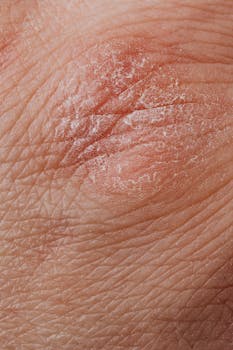
Vulvar eczema is a condition many people may find challenging, both due to its location and the discomfort it can cause. This form of eczema specifically affects the vulva, leading to symptoms such as itching, redness, and inflammation. Managing vulvar eczema involves understanding the symptoms, causes, and effective strategies for relief.
Understanding Vulvar Eczema
Vulvar eczema results from skin inflammation, which can arise due to a variety of triggers. These may include irritants, allergens, personal care products, or hormonal changes. It’s essential to identify what triggers your eczema to manage the condition effectively. Symptoms often include dryness, itching, and redness, which, if left untreated, can lead to further complications.
Common Symptoms of Vulvar Eczema
The symptoms of vulvar eczema can vary from person to person, but some common indicators include intense itching, a burning sensation, and the appearance of red or inflamed patches on the skin. In some cases, the skin can become thickened or cracked, leading to additional discomfort.
Effective Strategies for Managing Vulvar Eczema
Finding relief from vulvar eczema involves a combination of treatment and self-care strategies. Here are some approaches that can provide comfort and help manage symptoms:
Identify and Avoid Triggers
Keeping a diary can help you identify specific triggers such as certain fabrics, personal care products, or even stress, which can exacerbate vulvar eczema. Once identified, avoiding these triggers is crucial to prevent flare-ups.
Moisturize Regularly
Keeping the affected area moisturized is key to managing vulvar eczema. Opt for fragrance-free and hypoallergenic products to minimize irritation. Regular application can help alleviate dryness and soothe the skin.
Use Over-the-Counter Remedies
Topical cortisone creams and antihistamines may provide temporary relief from itching. However, these should be used sparingly and under the guidance of a healthcare professional.
Consult a Dermatologist
If over-the-counter solutions are ineffective, a dermatologist may recommend prescription treatments tailored to your specific needs. Professional guidance is often essential for managing severe cases.
Living with Vulvar Eczema
Managing vulvar eczema is often an ongoing process that involves lifestyle adjustments. Here are some tips to make daily life more comfortable:
Wear Breathable Fabrics
Choose clothing made from natural fibers such as cotton, which allow for better air circulation and reduce irritation.
Maintain a Healthy Lifestyle
A balanced diet, regular exercise, and stress management can all contribute to overall skin health. For insights into healthy living, see our article on safe and effective approaches to weight management.
Prioritize Mental Health
The emotional impact of living with a chronic skin condition should not be underestimated. Support from mental health professionals can be beneficial in managing stress and anxiety associated with vulvar eczema.
Seek Support Groups
Connecting with others who have similar experiences can provide emotional support and practical advice for living with vulvar eczema.
When to Seek Medical Advice
While self-care can alleviate symptoms, it’s vital to consult a healthcare professional if you experience severe symptoms, signs of infection, or if the condition does not improve with home treatments. Timely medical advice can prevent complications and provide more effective management strategies.
Further Research and Resources
There is ongoing research into more effective treatments and management strategies for eczema. Reliable sources such as the Wikipedia page on vulvar conditions can offer further information on vulvar eczema and related topics.
In conclusion, managing vulvar eczema requires a comprehensive approach involving the identification of triggers, consistent skincare, and professional advice. With the right strategies, individuals can achieve significant relief and improve their quality of life.
- Understand the symptoms and triggers of vulvar eczema for better management.
- Use hypoallergenic products and moisturize regularly to soothe the skin.
- Consult with healthcare providers for severe or persistent symptoms.
- Lifestyle adjustments, including stress management, can support skin health.
- Seek professional advice and resources for the most effective treatment options.
What causes vulvar eczema?
Vulvar eczema can be triggered by irritants, allergens, hormonal changes, stress, and specific personal care products. Identifying individual triggers is crucial for managing the condition effectively.
How can I relieve itching caused by vulvar eczema?
Relief from itching may be achieved through the use of moisturizing creams, avoidance of known irritants, and possibly the use of over-the-counter antihistamines or topical steroids, with medical guidance.
Are there any lifestyle changes that can help manage vulvar eczema?
Yes, maintaining a balanced diet, wearing breathable fabrics, managing stress, and adhering to a gentle skincare routine can support overall skin health and manage symptoms.
Is it necessary to see a doctor for vulvar eczema?
While mild cases may be managed with over-the-counter products, it is important to consult a healthcare provider if symptoms are severe, persistent, or if home treatments are ineffective.
Are there support groups for people with vulvar eczema?
Yes, there are various support groups and online communities where individuals with similar experiences can share advice, tips, and support in managing vulvar eczema.
Other Articles You May Find of Interest...
- Recognizing Breast Pain: When Should You Be Concerned?
- The Role of the Female Prostate in Women’s Health and Sexual Function
- Natural Techniques to Induce Labor Safely and Effectively
- Why Do I Feel Nauseous Every Morning When I’m Not Pregnant?
- The Journey of Uterine Involution: A Vital Process After Childbirth
- Is Pepcid Safe During Pregnancy? What You Need to Know
- Unlocking the Health Benefits of Progesterone for Women’s Well-Being




