






More Women's Health & Beauty Articles
Effective At-Home Remedies for Treating Yeast Infections Naturally
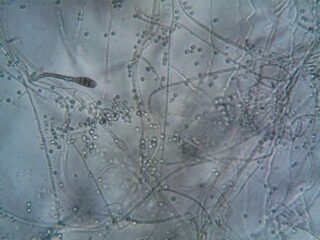
When it comes to finding an effective at home remedy for a yeast infection, many people seek natural solutions. Yeast infections, caused by an overgrowth of the fungus Candida, can result in discomfort and itching. While over-the-counter treatments are widely available, some individuals prefer exploring home remedies that may offer relief. In this article, we will discuss various natural approaches that have been suggested to manage yeast infections.
At Home Remedies for a Yeast Infection
Understanding how to treat at home yeast infection involves exploring different natural remedies. Here are some popular options:
Probiotics
Probiotics contain beneficial bacteria that may help restore the balance of microorganisms in the body. They are available in supplements and foods like yogurt. Research on probiotics suggests they may support vaginal health and potentially help with yeast infection symptoms. However, it’s always important to consult with a healthcare provider before starting any new supplement regimen.
Tea Tree Oil
Tea tree oil is known for its antifungal properties and has been considered as an at home remedy for a yeast infection. Diluted tea tree oil applied topically may alleviate some symptoms associated with infections. It is crucial to dilute the oil properly and perform a patch test to avoid skin irritation.
Coconut Oil
Another natural substance with potential antifungal benefits is coconut oil. Rich in lauric acid, it may help combat the yeast Candida. Coconut oil can be used topically to soothe inflamed areas, providing a barrier against moisture and irritation. Consider using organic, unrefined coconut oil for the best results.
Apple Cider Vinegar
Apple cider vinegar is credited with various health benefits, including acting as a natural remedy for yeast infections due to its antifungal properties. Adding a small amount to your bathwater can create an environment that may inhibit yeast growth. Be cautious with concentrations as excessive use can disrupt natural pH levels.
Garlic
Garlic has been recognized for its antifungal and antibacterial properties, making it a potential candidate for an at home remedy for a yeast infection. Consuming garlic in its raw form or opting for garlic supplements might support overall immune function, which could indirectly benefit yeast infection management.
While each of these remedies offers potential, comprehensive care often benefits from a balanced approach. For more holistic insights into maintaining overall health, explore our guide on holistic wellness.
When to Seek Professional Advice
It is crucial to recognize when a home remedy alone may not suffice. Persistent or severe symptoms warrant professional medical evaluation. If you encounter a recurring yeast infection or if it’s your first time experiencing symptoms, consulting a healthcare provider will ensure proper diagnosis and treatment.
Moreover, in cases where a yeast infection is associated with antibiotic use, a medical practitioner can provide guidance on preventing and treating such infections effectively.
For more detailed information on Candida and its impacts, you might find the following Wikipedia resource on health helpful.
Conclusion
Exploring an at home remedy for a yeast infection requires understanding both the potential benefits and limitations of natural treatments. While these remedies may offer relief, they are not one-size-fits-all solutions. Always consider speaking with a healthcare provider for personalized advice and to ensure the chosen methods are safe for your particular situation.
- Probiotics may support vaginal health and potentially help with yeast infections.
- Tea tree oil, when diluted, has been used to alleviate symptoms.
- Coconut oil may offer a natural antifungal property.
- Apple cider vinegar can be used diluted in bathwater to combat yeast.
- Garlic, known for its antifungal benefits, might help when incorporated into the diet.
FAQs
What are the main causes of yeast infections?
Yeast infections are primarily caused by an overgrowth of the fungus Candida, often due to factors like antibiotic use, hormonal changes, or a weakened immune system.
Can I use over-the-counter treatments alongside home remedies?
Yes, over-the-counter treatments can often be used in conjunction with home remedies, but it’s advisable to consult a healthcare provider for the best approach.
Is yogurt effective in treating yeast infections?
Yogurt containing live cultures of Lactobacillus may help restore the natural balance of bacteria and yeast in the body, potentially aiding in the management of yeast infections.
How long does it typically take for home remedies to work?
The effectiveness of home remedies can vary, and it may take several days to notice improvement. If symptoms persist, seek medical advice.
Can men get yeast infections?
Yes, men can also experience yeast infections, often manifested as itching or irritation on the penis. Proper hygiene and treatment are essential for resolution.
Other Articles You May Find of Interest...
- Recognizing Breast Pain: When Should You Be Concerned?
- The Role of the Female Prostate in Women’s Health and Sexual Function
- Natural Techniques to Induce Labor Safely and Effectively
- Why Do I Feel Nauseous Every Morning When I’m Not Pregnant?
- The Journey of Uterine Involution: A Vital Process After Childbirth
- Is Pepcid Safe During Pregnancy? What You Need to Know
- Unlocking the Health Benefits of Progesterone for Women’s Well-Being




