






More Women's Health & Beauty Articles
Detecting Pregnancy Early: Can a Blood Test Give You Results Before a Missed Period?
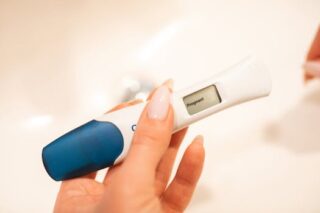
For many women eager to learn if they are pregnant, the question often arises: how early would a blood test detect pregnancy? Detecting pregnancy early can be a critical factor for managing health and making informed choices. Blood tests can offer an accurate and early detection compared to home pregnancy tests, but understanding the timing and process is essential for those seeking clarity before a missed period.
Understanding How Early a Blood Test Would Detect Pregnancy
Blood tests can typically detect pregnancy sooner than urine tests. They work by measuring the amount of human chorionic gonadotropin (hCG) in your bloodstream. The body starts producing hCG shortly after a fertilized egg attaches to the lining of the uterus, which can occur as early as 6 to 12 days after conception. A blood test can potentially detect this hormone even before you miss your period, sometimes as early as 7 to 12 days post-conception.
However, the exact timing can vary depending on factors such as the individual’s hormone levels and the sensitivity of the test. It’s important to consult with a healthcare provider to ensure accurate results. For more in-depth information on fertility and pregnancy detection, you might be interested in exploring this comprehensive guide on fertility.
Types of Blood Tests for Pregnancy
There are two main types of blood tests used to detect pregnancy:
- Qualitative hCG test: This test checks for the presence of the hCG hormone in the blood and provides a simple yes or no answer to whether you are pregnant.
- Quantitative hCG test: Also known as the beta hCG test, this measures the exact amount of hCG in the blood, providing detailed information about the pregnancy, which can be helpful for assessing the progress.
While both tests are reliable, the quantitative test offers more detailed insights and is often used to monitor complications or progressing pregnancies in the early stages.
Advantages of Blood Tests Over Home Pregnancy Tests
Blood tests have several advantages over home pregnancy tests:
- They can detect pregnancy earlier.
- They measure the exact levels of hCG in the blood.
- They can help monitor the health of the pregnancy, providing important data for healthcare providers.
Nonetheless, blood tests require a visit to a healthcare provider, which adds an extra step compared to the convenience of home tests.
Are There Any Risks to Early Pregnancy Testing?
While blood tests for pregnancy are generally safe, there are some considerations:
- Early testing might lead to false positives or uncertainties due to very low hCG levels.
- Emotional readiness to handle potential early results without confirmation is important as some pregnancies might not progress.
These elements underscore the importance of discussing early testing with a healthcare professional who can provide guidance tailored to individual circumstances.
Factors Affecting the Detection of Pregnancy through Blood Tests
Several factors affect how early a blood test would detect pregnancy:
- Timing of Ovulation and Implantation: Variations in when ovulation and implantation occur can affect the detection timeline. Every woman’s cycle can differ significantly.
- hCG Levels: Individuals vary in how much hCG their body produces; lower levels might delay detection.
- Type of Test: The sensitivity of the blood test can also influence when pregnancy can be detected.
Understanding these factors can help manage expectations and reduce anxiety surrounding early pregnancy testing.
Conclusion: Navigating Early Pregnancy Detection
In summary, blood tests offer an option for detecting pregnancy early, often before a missed period. Knowing how early a blood test would detect pregnancy can provide peace of mind to those seeking reassurance at the start of their pregnancy journey. However, it is vital to consider various factors such as individual hCG levels, test sensitivity, and the timing of conception. Consulting with a healthcare provider remains the best approach to ensure accurate results and receive personalized advice. For more general information on health-related topics, visit the Wikipedia health page.
- Blood tests can detect pregnancy earlier than standard urine tests.
- Two main types of blood tests are available: qualitative and quantitative.
- Consult with a healthcare provider for personalized advice and guidance.
- Early detection allows for timely decision-making and care.
- Consider personal readiness and emotional factors when opting for early testing.
Are there any side effects of getting a blood test for pregnancy?
Blood tests for pregnancy are considered safe, with minimal risks involved. Some individuals may experience minor bruising or discomfort at the needle site.
How soon can a blood test detect pregnancy compared to a home test?
A blood test can usually detect pregnancy approximately 7-12 days after conception, which is earlier than most home pregnancy tests.
Is a blood test for pregnancy more accurate than a urine test?
Yes, blood tests are more accurate as they can detect lower levels of hCG and provide exact numbers, whereas urine tests offer a binary result.
Can factors like stress or medication affect the results of a blood pregnancy test?
Stress and most medications typically do not interfere with blood pregnancy test results. However, certain fertility treatments that involve hormones may need consideration.
What should I do if I get a positive result from an early pregnancy blood test?
If you receive a positive result, schedule a follow-up appointment with your healthcare provider to confirm the pregnancy and discuss next steps for prenatal care.
Other Articles You May Find of Interest...
- Detecting Pregnancy Early: Can a Blood Test Give You Results Before a Missed Period?
- Midlife Wellness: Supporting Women Through Hormonal and Lifestyle Shifts
- Exploring the Role of the Ovarian Ligament in Women’s Health
- Understanding HCG Levels in Twin Pregnancies: What to Expect?
- When Does Round Ligament Pain Start and Where to Expect It?
- How to Manage PCOS Naturally
- Is Fetal Fibronectin Testing Key to Predicting Preterm Labor?




