






More Women's Health & Beauty Articles
Causes and Solutions for Skin Peeling in the Female Private Area
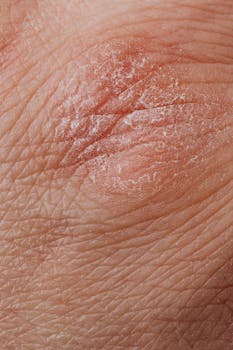
Experiencing skin peeling in the female private area can be concerning and uncomfortable. Many women wonder, “why is my skin peeling on my private area female?” This issue can result from various causes, ranging from environmental factors to underlying medical conditions. Understanding the reasons behind this skin concern and exploring possible solutions can help you maintain your skin’s health and comfort.
Why Is My Skin Peeling on My Private Area Female?
The delicate skin in the female private region can be sensitive to a myriad of factors that cause peeling. Let’s explore some common reasons why this may occur:
Friction and Irritation
One of the most common causes of skin peeling is friction. Tight clothing or prolonged physical activity can lead to skin irritation. Wearing comfortable, breathable fabrics and ensuring a proper fit of clothing can minimize friction-related peeling.
Allergic Reactions
Allergic reactions to personal care products such as soaps, deodorants, or laundry detergents can trigger skin peeling. Identifying and avoiding the allergen can help alleviate symptoms. Consider opting for hypoallergenic products to reduce the risk of irritation.
Infections
Fungal infections, such as yeast infections, can cause peeling skin. These infections often require targeted antifungal treatments. Bacterial infections, too, can cause peeling, often accompanied by redness and discomfort. It’s crucial to seek medical advice for accurate diagnosis and appropriate treatment.
Skin Conditions
Certain skin conditions can contribute to peeling in the private area. Conditions such as eczema or psoriasis might manifest with peeling skin. These chronic conditions often require a tailored management plan to keep symptoms in check.
Hormonal Changes
Women may experience skin changes during various life stages, such as puberty, pregnancy, or menopause, due to hormonal fluctuations. These changes can occasionally lead to skin peeling. Consulting with a healthcare professional can provide strategies for managing these changes effectively.
Understanding the root cause of skin peeling is essential for identifying the most effective solutions. Learn more about how addressing root causes, rather than just symptoms, can lead to better skin health.
Prevention and Management
Addressing skin peeling involves both preventative and management strategies. Here are some effective approaches:
- Choose the Right Products: Use gentle, fragrance-free products designed for sensitive skin.
- Maintain Proper Hygiene: Cleansing the area gently with water and a mild cleanser can help maintain skin health.
- Keep the Area Dry: Ensuring the area remains dry can prevent infections and irritation.
- Seek Medical Advice: If symptoms persist, consulting a healthcare professional can lead to a tailored treatment plan.
Incorporating these habits into your routine can offer significant relief and help you manage skin peeling effectively.
Considerations for Special Circumstances
Sometimes, special circumstances demand particular attention. For instance:
- Postpartum Changes: Hormonal changes after giving birth can affect skin condition. Postpartum care should include skin-friendly practices.
- Menopause: As hormonal levels change, it can impact skin health. Incorporating skin-nourishing essentials in your daily routine is advised.
Consulting with Experts
If you’re unable to determine why your skin is peeling, consulting with a dermatologist or a gynecologist can provide clarity. They can recommend treatments or further diagnostic steps. For additional information on healthcare topics, explore the health section on Wikipedia for credible information.
When to See a Doctor
If you notice persistent peeling, pain, or any abnormal changes in your skin, it’s advisable to see a healthcare professional. Early intervention can address underlying causes more effectively and prevent further complications.
In conclusion, understanding the various factors contributing to skin peeling can empower you to take control of the situation. By adapting lifestyle changes and consulting professionals when needed, you can manage and alleviate these symptoms comfortably.
Ultimately, if you’re asking, “why is my skin peeling on my private area female?” it’s important to assess potential external and physiological factors and seek professional guidance for a comprehensive approach to treatment.
- Friction and irritation are common causes of skin peeling.
- Allergic reactions and infections can contribute to peeling.
- Managing chronic skin conditions is key in controlling peeling symptoms.
- Seek professional help for persistent or severe symptoms.
- Adopt a gentle skin-care routine for prevention and management.
FAQ
What are common causes of skin peeling in the private area?
Common causes include friction, allergic reactions, infections, hormonal changes, and certain skin conditions.
How can I prevent skin peeling?
Prevention involves wearing comfortable clothes, using gentle products, and maintaining proper hygiene.
When should I see a doctor?
If peeling is persistent, painful, or accompanied by other symptoms, consult a healthcare professional.
Can hormonal changes affect skin peeling?
Yes, hormonal fluctuations during puberty, pregnancy, or menopause can lead to skin changes, including peeling.
What products should I avoid to prevent peeling?
Avoid harsh soaps, products with strong fragrances, and allergens. Opt for gentle, hypoallergenic options.
Other Articles You May Find of Interest...
- Does Birth Control Affect Your Libido? Understanding the Impact on Sexual Desire
- Why Am I So Tired Before My Period? Understanding Menstruation and Exhaustion
- Can Castor and Coconut Oil Improve Your Health During Colds and Vaginal Dryness?
- Navigating Life After Postmenopause: Embracing Health and Wellness
- Discover the Top 7 Foods That Help Shrink Fibroids
- What Does Having an Arcuate Uterus Mean for Your Health?
- Does Birth Control Lead to Hair Loss? Exploring the Connection




