






More Women's Health & Beauty Articles
Can You Get a False Positive on a Pregnancy Test? Exploring the Chances of Error
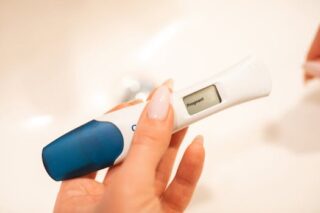
Pregnancy tests are a common tool used by women to confirm if they are expecting, but many women are concerned about their accuracy. Specifically, what are the chances of a false positive pregnancy test? Understanding this is crucial for anyone trying to conceive or those who are actively avoiding pregnancy. Typically, pregnancy tests are heralded for their high accuracy, yet no test is infallible. In this article, we will explore potential reasons for a false positive result, the reliability of home pregnancy tests, and what steps you should take if you believe your result may be incorrect.
Understanding the Chances of a False Positive Pregnancy Test
False positive results on pregnancy tests are rare, but they do occur. A false positive means the test indicates pregnancy when, in fact, there is none. Understanding can you get a wrong positive pregnancy test involves exploring various factors that can contribute to this scenario. Generally, home pregnancy tests detect the hormone human chorionic gonadotropin (hCG) in urine, which usually indicates pregnancy. However, certain conditions and user errors can interfere, leading to an incorrect result.
How Common Are False Positives?
False positive results are less common than false negatives, but they are not impossible. Studies suggest that the chances are low, often due to very sensitive tests detecting low levels of hCG that can sometimes be present due to other reasons. Nevertheless, each test’s sensitivity and the user’s adherence to directions play a significant role. When questioning, does pregnancy test can be wrong, it’s important to recognize these variables.
Reasons for a False Positive Result
Several factors can lead to a false positive result. One common cause is a chemical pregnancy, where a fertilized egg does not implant correctly into the uterus. In such cases, hCG levels can rise enough for a test to detect, but not sustain an ongoing pregnancy. Another reason could be certain medications, particularly those used in fertility treatments which contain hCG. Moreover, medical conditions such as ovarian cysts or kidney disease can produce hCG.
Contaminated or expired pregnancy tests can also yield incorrect results. It’s essential to check the expiration date and ensure proper storage conditions for the test kit.
Steps to Take If You Suspect a False Positive
If there is doubt about a positive pregnancy result, the best course of action is to conduct a follow-up test. Repeat the test after a few days, preferably using a test from a different batch to eliminate the chance of product issues. Consulting a healthcare professional for a more definitive blood test can provide clearer answers.
In any scenario where there is suspicion or concern regarding a test result, it’s advisable to discuss with a healthcare provider for further evaluation and peace of mind.
Factors Affecting Test Accuracy
Understanding test accuracy involves recognizing the ways in which a pregnancy test can be wrong. User error, such as misunderstanding the instructions or testing too early, can lead to inaccuracies. It’s recommended to read instructions carefully and opt for testing after a missed period for best results.
Additionally, dilution of urine due to high fluid intake before testing can lower hCG concentration, which may lead to wrong results. Thus, testing with the first morning urine can increase accuracy.
Other Considerations
For people actively managing health and lifestyle, considering factors like body weight and nutritional choices can play a role in general health outcomes. To explore more on how lifestyle affects health management, consider checking out safe and effective approaches to weight loss.
For additional information on hormones and their effects, refer to resources like Wikipedia’s comprehensive page on health.
At the end of the day, the chances of a false positive pregnancy test are relatively small, but understanding the causes and appropriate responses can save time and stress.
- False positives are uncommon but not impossible.
- Several factors, including medical conditions and user errors, affect results.
- A follow-up test is advisable if there’s doubt.
- Consult healthcare professionals for thorough evaluation.
Frequently Asked Questions
Can a pregnancy test be wrong if done too early?
Yes, testing too early can lead to inaccurate results, typically more false negatives. It’s recommended to test after a missed period for optimal accuracy.
What should I do if I get a positive test but don’t feel pregnant?
If there are doubts or symptoms do not align, consider retesting later and consult with a healthcare professional for a blood test confirmation.
Does certain medication affect pregnancy test results?
Yes, medications that contain hCG, often used in fertility treatments, can cause false positive results.
Why is using the first morning urine recommended?
The first morning urine is usually more concentrated, which can provide clearer detection of hCG, reducing the risk of incorrect results.
Can lifestyle changes affect pregnancy test accuracy?
While general lifestyle choices won’t directly affect the test’s accuracy, understanding and managing health through lifestyle changes can contribute to overall physical readiness for pregnancy.
Other Articles You May Find of Interest...
- Recognizing Breast Pain: When Should You Be Concerned?
- The Role of the Female Prostate in Women’s Health and Sexual Function
- Natural Techniques to Induce Labor Safely and Effectively
- Why Do I Feel Nauseous Every Morning When I’m Not Pregnant?
- The Journey of Uterine Involution: A Vital Process After Childbirth
- Is Pepcid Safe During Pregnancy? What You Need to Know
- Unlocking the Health Benefits of Progesterone for Women’s Well-Being




