






More Women's Health & Beauty Articles
Can Yeast Infections Lead to Abdominal Cramping?
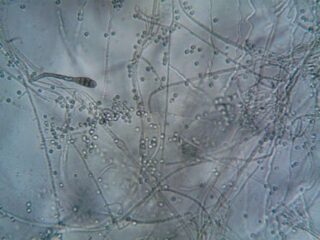
When experiencing discomfort, many wonder, “can a yeast infection cause cramping?” Yeast infections are quite common and typically associated with itching and a thick discharge. However, some individuals report experiencing abdominal pain or cramping during an infection. Understanding whether there is a connection and what might be underlying factors for cramping is essential for accurate diagnosis and appropriate treatment.
Can a Yeast Infection Cause Cramping?
While cramping is not a classic symptom of a yeast infection, it is not impossible. Generally, yeast infections are caused by an overgrowth of the fungus Candida albicans. The resulting inflammation and irritation can sometimes lead to discomfort beyond the usual itching and burning. It’s plausible that this irritation could extend to nearby muscles, potentially causing cramping. However, it is important to consider other potential causes of abdominal pain, as cramping might indicate a different or concurrent condition.
Symptoms of Yeast Infections
A yeast infection primarily influences the vaginal area, and symptoms usually include:
- Itching and irritation in the vagina and vulva
- A burning sensation, especially during intercourse or while urinating
- Swelling of the vulva
- A thick, white, “cheese-like” discharge
If cramping co-occurs with these symptoms, it’s advisable to seek medical attention to rule out other causes.
Possible Causes of Cramping
If you’re asking, “can a yeast infection cause cramping,” it could be beneficial to explore other reasons for abdominal discomfort:
- Menstrual Cycle: For women, menstrual cramps could coincide with symptoms of a yeast infection.
- Gastrointestinal Issues: Conditions such as IBS or lactose intolerance can cause abdominal cramping.
- Urinary Tract Infection (UTI): A UTI can also cause pelvic pain and discomfort similar to the symptoms of a yeast infection.
- Pelvic Inflammatory Disease (PID): A serious condition that requires medical attention, PID can cause both cramping and vaginal discharge.
Identifying your specific symptoms and their timing in relation to your menstrual cycle and other health factors can lead to more effective treatment.
When to Seek Medical Advice
If you’re experiencing cramping along with the typical symptoms of a yeast infection, it might be helpful to consult with a healthcare provider. They can determine whether another condition might be the culprit. Understanding the root cause of your symptoms will guide the best treatment approach and alleviate any unnecessary discomfort.
Preventing Yeast Infections
Prevention is better than cure, and there are several ways to reduce your risk of developing a yeast infection:
- Maintain good genital hygiene
- Frequently change sanitary products during menstruation
- Wear breathable, cotton underwear
- Avoid douching
- Manage blood sugar levels if diabetic
These habits can help maintain a healthy balance of bacteria and yeast.
Additionally, some lifestyle and dietary changes, such as consuming probiotics, may support vaginal health. Probiotics help maintain the natural flora, which can prevent yeast overgrowth. You can learn more about how lifestyle factors can impact reproductive health in this related article.
Understanding Comprehensive Care
It’s essential to view yeast infections as part of a broader spectrum of possible health issues. Cramping, while sometimes alarming, often has explanations unrelated to yeast infections. Being vigilant about symptom patterns will allow for clearer communication with your healthcare provider.
For more detailed health information, refer to credible sources like this comprehensive guide that covers various aspects of health management.
Takeaways
- Yeast infections primarily cause itching and discharge, but cramping can be an associated symptom.
- Other health issues alongside a yeast infection could be causing cramping.
- Prevention through hygiene and lifestyle changes can reduce yeast infection occurrence.
- Consult a healthcare provider if experiencing unusual symptoms such as severe cramping.
- Understanding personal symptom patterns is crucial for effective healthcare.
FAQs About Yeast Infections and Cramping
What causes yeast infections?
Yeast infections are primarily caused by an overgrowth of Candida, a fungus naturally present in the body.
How can you treat a yeast infection?
Treatments include antifungal creams, suppositories, and oral medications. Consult a healthcare provider for the best option.
Can dietary changes help prevent yeast infections?
Some studies suggest that probiotics and reduced sugar consumption might support vaginal health and prevent yeast infections.
When should you see a doctor for cramping?
Seek medical advice if cramping is severe, persistent, or occurs alongside unusual symptoms like bleeding or fever.
Are over-the-counter remedies effective for yeast infections?
Many over-the-counter treatments can be effective, but it’s advisable to confirm the diagnosis with a healthcare provider before starting treatment.
In conclusion, while asking “can a yeast infection cause cramping” is valid due to overlapping symptoms, it’s crucial to assess other possible causes and consult with healthcare professionals for comprehensive care.
Other Articles You May Find of Interest...
- How to Get a Breast Pump Through Insurance: What Expecting Moms Need to Know
- Spotting or Menstruation: How to Identify the Difference Between Implantation Bleeding and Menstrual Bleeding
- Can Yeast Infections Lead to Abdominal Cramping?
- Unraveling the Meaning of MCH in Your Blood Test Results?
- Your Footprint On Your Female Family’s Health
- Mastering Tampons: Your Guide to Comfortable and Confident Use
- Navigating the Complexities of Disordered Proliferative Endometrium for Better Health




