






More Women's Health & Beauty Articles
Can Yeast Infections Cause Bleeding? Exploring Symptoms and Solutions
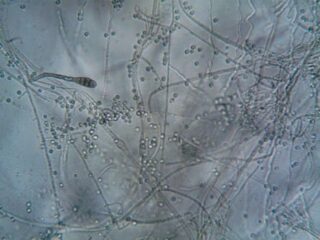
Yeast infection bleeding is a topic that raises concerns for many individuals experiencing discomfort and irregular symptoms. When people think of yeast infections, they often associate them with itching, burning, and discharge, but not necessarily bleeding. However, understanding whether a yeast infection can cause bleeding is crucial for those seeking to manage their symptoms effectively and determine whether a visit to a healthcare provider is necessary.
Understanding Yeast Infection Bleeding
Yeast infections are commonly caused by the fungus Candida, which leads to an imbalance in the natural flora of certain body areas, like the vagina. While yeast infections typically manifest through itching, burning, and a thick discharge, bleeding can occur in certain situations, intensifying the discomfort. Understanding the potential causes of bleeding with a yeast infection is an important step in managing your health.
The irritation and inflammation associated with severe yeast infections can lead to minor bleeding. This may be more likely if the skin in the affected area is particularly sensitive and has been broken down by scratching or from the infection itself. However, if heavy bleeding occurs, it is essential to consult a healthcare provider to rule out other conditions or to assess whether additional treatment is needed.
Common Causes of Bleeding Associated with Yeast Infections
Minor bleeding from a yeast infection usually stems from skin irritation. Here’s a closer look at some of the contributing factors:
- Irritation from Scratching: Persistent itching can lead to scratching, which might cause small breaks in the skin, resulting in bleeding.
- Skin Sensitivity: Inflammation can make the skin more prone to bleeding, especially if it becomes raw and tender.
- Cotton Swabs or Tampons: Inserting these products may irritate sensitive tissues, potentially causing bleeding.
If bleeding occurs, it’s crucial to note its extent and whether it is accompanied by other unusual symptoms. Consulting a healthcare provider can help rule out other medical conditions, such as sexually transmitted infections or hormonal imbalances, that may present with similar symptoms.
What Else Could Be Causing the Bleeding?
While yeast infections can be uncomfortable, it’s vital to consider other potential causes of vaginal bleeding to ensure appropriate treatment. Here are a few conditions that may also result in bleeding:
- Sexually Transmitted Infections (STIs): Some STIs mimic the symptoms of a yeast infection and can cause bleeding.
- Hormonal Changes: Fluctuations in hormones during menstrual cycles or menopause can sometimes cause unexpected bleeding.
- Uterine or Cervical Polyps: These growths can cause bleeding and should be evaluated by a professional.
Given the potential overlap in symptoms, it’s advisable to seek medical advice for a thorough diagnosis and appropriate treatment. For more information on medical conditions that can affect overall health, you can read our article on understanding the stages of recovery from addiction.
Treatment and Management of Yeast Infections
Managing a yeast infection typically involves antifungal treatments that are available both over-the-counter and by prescription. These medications can help alleviate symptoms like itching and discharge, but they may take several days to be fully effective. If you experience yeast infection-related bleeding, using medications as directed by a healthcare provider and avoiding further irritation is essential for healing.
In addition to medication, implementing lifestyle strategies can support recovery and prevent future infections:
- Hygiene: Maintaining a clean and dry area can help prevent yeast overgrowth.
- Appropriate Clothing: Choosing breathable, loose-fitting fabrics can reduce moisture buildup.
- Diet and Probiotics: A balanced diet and probiotics may support gut and vaginal health, potentially reducing infection risk.
When to See a Doctor
If you suspect that a yeast infection is causing your symptoms, particularly bleeding, it’s essential to monitor the situation closely. Immediate medical attention may be required if you experience:
- Severe or persistent bleeding
- Symptoms that do not improve with over-the-counter treatments
- Recurrences or frequent yeast infections
- Other unusual symptoms such as fever or abdominal pain
Consulting with a healthcare provider ensures accurate diagnosis and treatment. If you’d like to learn more about maintaining overall health, this resource offers comprehensive insights.
Yeast infection bleeding, while not the most common symptom, can occur due to irritation or more significant medical conditions. Understanding the symptoms and causes and knowing when to seek professional healthcare advice can assist you in managing your overall well-being effectively.
- Bleeding from yeast infections can occur due to irritation or broken skin.
- Accurate diagnosis ensures appropriate treatment.
- Consult a healthcare provider if symptoms persist or worsen.
- Managing lifestyle factors can prevent future infections.
- Professional guidance is crucial for severe symptoms.
Can a yeast infection cause bleeding?
Yes, a yeast infection can cause minor bleeding, typically from irritation or scratching. Severe bleeding warrants medical attention.
Is bleeding normal with a yeast infection?
Bleeding isn’t a typical symptom of a yeast infection, but minor bleeding can occur. Significant bleeding should be evaluated by a healthcare provider.
What other conditions mimic yeast infection symptoms?
Conditions such as STIs, hormonal changes, and vaginal atrophy can present with similar symptoms and may cause bleeding.
How can I prevent yeast infections and associated bleeding?
Maintaining hygiene, wearing breathable clothing, and introducing probiotics to your diet can help prevent infections.
When should I see a healthcare provider for yeast infection symptoms?
Consult a healthcare provider if you experience severe bleeding, recurrent infections, or if symptoms persist despite treatment.
Other Articles You May Find of Interest...
- Recognizing Breast Pain: When Should You Be Concerned?
- The Role of the Female Prostate in Women’s Health and Sexual Function
- Natural Techniques to Induce Labor Safely and Effectively
- Why Do I Feel Nauseous Every Morning When I’m Not Pregnant?
- The Journey of Uterine Involution: A Vital Process After Childbirth
- Is Pepcid Safe During Pregnancy? What You Need to Know
- Unlocking the Health Benefits of Progesterone for Women’s Well-Being




