






More Women's Health & Beauty Articles
Can Ovulation Cause Nausea and Am I Pregnant If I Feel Sick?
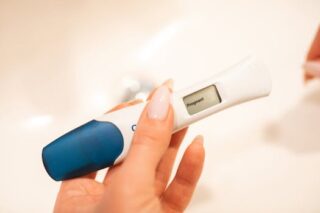
Many people wonder: can ovulation cause nausea? The link between ovulation and how our bodies feel is often stronger than we might realize. While it’s more commonly associated with symptoms like mild cramping or bloating, nausea can indeed occur for some individuals during ovulation. However, the presence of nausea doesn’t necessarily mean pregnancy, although it can be confusing since early pregnancy symptoms often overlap with those of ovulation.
Can Ovulation Cause Nausea?
Ovulation is a natural part of the menstrual cycle when an egg is released from one of the ovaries. This phase typically occurs around the middle of the menstrual cycle. While ovulation itself is usually a painless process, it can trigger various symptoms due to hormonal changes, and for some women, nausea can be one of them. This happens because of the body’s response to the rising levels of estrogen and the subsequent release of progesterone.
If you are experiencing ovulation nausea, it’s important to recognize it as a normal, albeit less common, symptom of the ovulatory phase. This nausea can last anywhere from a few hours to a couple of days right around the time of ovulation.
Understanding Hormonal Changes
Hormones play a significant role in how we feel during different phases of the menstrual cycle. As ovulation approaches, estrogen levels peak, which can contribute to feelings of nausea. After the egg is released, progesterone levels rise, potentially leading to further gastrointestinal disturbances, including nausea for some women. It’s similar to how some people feel queasy as a premenstrual symptom.
Noticing Other Symptoms
Besides nausea, ovulation can bring about other physical changes. You might notice an increase in cervical mucus, slight spotting, or ovulation pain, also known as mittelschmerz. These indicators can help you confirm whether nausea and other feelings align with your ovulation period.
Feeling Sick During Ovulation: Am I Pregnant?
Experiencing nausea during ovulation might prompt thoughts of pregnancy, especially for those trying to conceive. However, it’s important to remember that nausea alone isn’t a definitive sign of pregnancy. Pregnancy symptoms tend to appear a bit later, usually after a missed period. If you’re uncertain, a pregnancy test can provide clarity.
It’s also worth considering dietary factors. Sometimes, symptoms mistaken for ovulation-related may actually be dietary disturbances. Ensuring a balanced diet can help alleviate some uncomfortable symptoms. If you’re interested in dietary adjustments that can support your health, you might explore why a high-protein diet is important in maintaining energy and managing symptoms better.
When to Consult a Healthcare Provider
If you frequently feel sick or experience intense pain during ovulation, it may be a good idea to consult a healthcare provider. They can rule out other conditions such as ovarian cysts or endometriosis, which might contribute to more severe symptoms. A healthcare provider can offer more personalized advice and confirm whether these symptoms are part of your normal menstrual cycle or if they indicate a broader issue.
Conclusion
In summary, can ovulation cause nausea? Yes, it can, though it’s not the most common symptom. It’s important to monitor any accompanying symptoms and how your body responds throughout your cycle. If you’re ever in doubt about the cause of your nausea, whether related to ovulation or potential pregnancy, seeking medical advice is always a wise choice.
- Ovulation can sometimes cause nausea due to hormonal changes.
- Nausea related to ovulation is less common but possible.
- Pregnancy is not the only reason for nausea during ovulation.
- Consult a healthcare provider if symptoms are severe or persistent.
- Understand your menstrual cycle to better identify and manage symptoms.
FAQs
What other symptoms can occur with ovulation nausea?
Alongside nausea, you might experience bloating, cramping, increased cervical mucus, or light spotting. Identifying these can help confirm that nausea is linked to ovulation.
Is there a way to alleviate nausea during ovulation?
Dietary changes such as smaller, more frequent meals and staying hydrated can help manage nausea. Ginger tea or peppermint oil might also be soothing. If nausea persists, a healthcare provider can recommend further strategies.
How can I confirm the timing of my ovulation?
Tracking your menstrual cycle, alongside using ovulation predictor kits, can help you identify when you are likely to ovulate. Apps and charts are also effective tools for cycle tracking.
Can stress affect ovulation nausea?
Yes, stress can influence your menstrual cycle and symptoms, including nausea. Managing stress through relaxation techniques can be beneficial.
Should I worry if ovulation nausea occurs suddenly?
While sudden symptoms can be concerning, they are often not serious. However, if symptoms are severe, persistent, or accompanied by other worrying signs, it’s best to seek medical advice.
Other Articles You May Find of Interest...
- How to Choose the Right Fertility Clinic for Your Family Journey
- The Modern Approach to Menopause: Navigating Hormonal Shifts with Confidence
- Why Are You Suddenly Developing Cherry Angiomas?
- Determining the Danger: What Size of Ovarian Cyst Should You Worry About?
- Navigating the Challenges of Tubo Ovarian Disease
- Navigating Endometrioma Ultrasound: Insights and Implications for Women’s Health
- Unlocking the Secrets of Gender Blood Testing for Expecting Parents




