






More Weight Control, Nutrition & Exercise Articles
Why Your Muscles Cramp at Night After Training – and What Helps
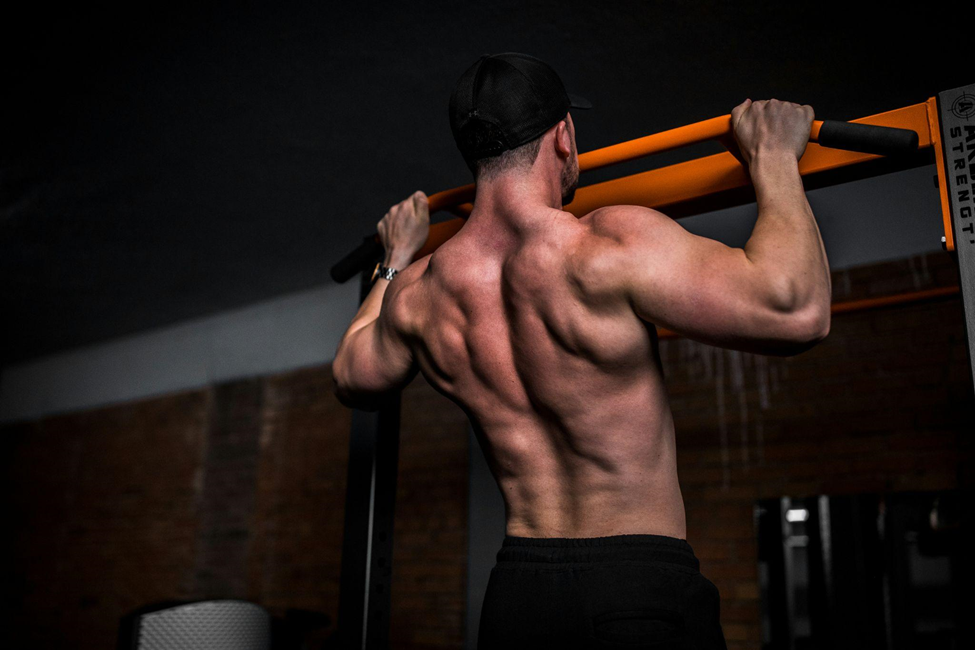
Photo by Anastase Maragos
Few things are more frustrating than finishing a productive workout, feeling strong throughout the day, and then waking up in the middle of the night with a painful muscle cramp. For many active people, nighttime cramps seem to appear without warning. One evening everything feels normal, and the next, a calf, hamstring, or foot muscle suddenly tightens hard enough to interrupt sleep.
Although muscle cramps are common among athletes and recreational exercisers alike, they are often misunderstood. People tend to blame a single cause, but nighttime cramping is usually the result of several factors working together. Training stress, recovery habits, hydration, sleep quality, and even daily routines can influence how muscles behave after physical activity.
Understanding why cramps happen can make it easier to reduce their frequency and keep recovery moving in the right direction.
Hard Training Creates Lingering Muscle Fatigue
One of the most common reasons cramps appear at night is simple muscle fatigue. During exercise, muscles repeatedly contract and relax. The harder the workout, the greater the demand placed on the nervous system and muscle fibers.
When fatigue accumulates, communication between nerves and muscles can become less efficient. Some experts believe that this altered signaling increases the likelihood of involuntary contractions, especially when the body is resting after a demanding training session.
This is why cramps often appear after unusually intense workouts, long runs, challenging hikes, heavy strength sessions, or athletic competitions. Even well-trained individuals may experience nighttime cramping when training volume suddenly increases.
The body generally adapts over time, but abrupt changes in workload can temporarily increase the likelihood of muscle spasms during recovery.
Hydration Matters, but Not in the Way Most People Think
Hydration is frequently mentioned whenever muscle cramps are discussed, but the relationship is more complicated than many people assume.
Simply drinking large amounts of water does not automatically prevent cramps. What matters is maintaining a healthy fluid balance before, during, and after activity. Excessive sweating can contribute to fluid losses that place additional stress on the body, particularly during hot weather or long-duration exercise.
People often focus on hydration only after a workout ends. In reality, recovery begins long before training is finished. Consistent hydration throughout the day tends to support overall physical performance and recovery more effectively than trying to compensate afterward.
Athletes who regularly train in demanding conditions often pay close attention to fluid intake because recovery habits established during the day frequently influence how the body feels overnight.
Recovery Starts Before You Go to Sleep
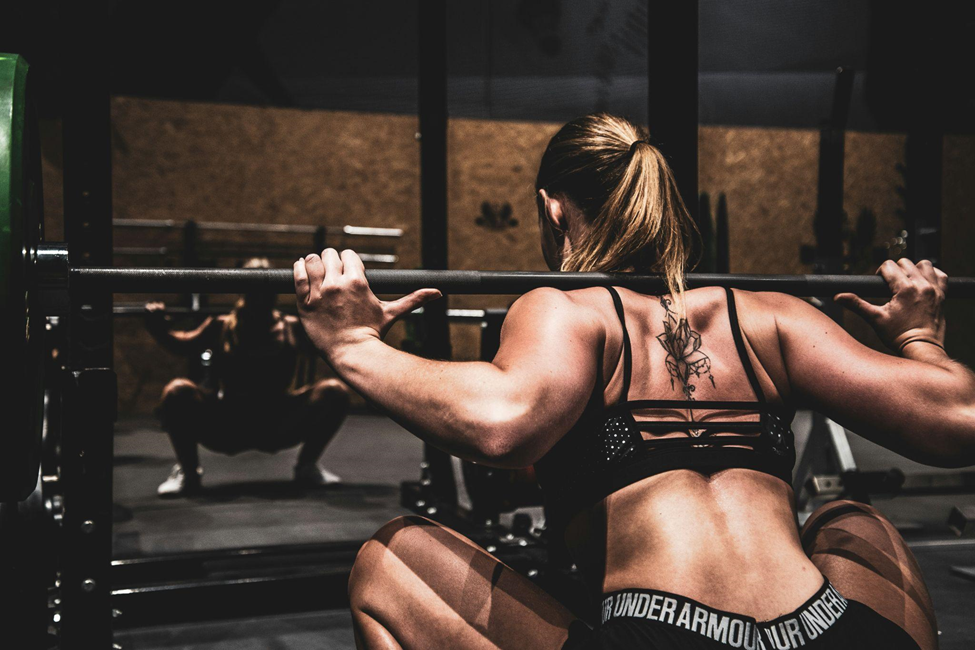
Photo by Sven Mieke on Unsplash
Many people view recovery as something that happens automatically while they sleep. While sleep is essential, the hours leading up to bedtime can influence how muscles respond throughout the night.
Suddenly stopping activity after intense exercise can leave muscles feeling tight and overworked. Gentle movement, mobility work, and gradual cooldown routines may help reduce lingering tension that sometimes contributes to discomfort later.
Evening recovery habits vary from person to person. Some athletes prefer stretching, others choose light walking, and some focus on creating a relaxing wind-down routine that helps both body and mind transition into rest. Personal care products from platforms like https://balmbare.com/ may become part of these routines alongside mobility work, hydration habits, and other recovery practices that help people feel more comfortable after physically demanding days.
The most effective recovery strategies are often the ones that can be repeated consistently rather than occasionally.
Sleep Position Can Influence Muscle Tension
A factor that receives far less attention is sleeping posture. The position of the feet, legs, and lower body during sleep can sometimes contribute to nighttime cramping.
For example, sleeping with the feet pointed downward for long periods may place calf muscles in a shortened position. In some individuals, this may increase the likelihood of sudden contractions during the night.
People who repeatedly experience cramps in specific muscle groups occasionally discover that minor adjustments to sleeping position reduce the problem. Supportive pillows, mattress comfort, and general sleep ergonomics can all affect how muscles remain positioned during extended periods of rest.
Although posture alone rarely explains every cramp, it can be one of several contributing factors worth considering.
Recovery Capacity Changes From Day to Day
Many athletes expect their bodies to respond consistently to training. In reality, recovery capacity fluctuates.
Stress at work, poor sleep, travel, nutrition, illness, and emotional fatigue can all influence how effectively the body recovers from exercise. A workout that feels manageable one week may create significantly more fatigue during a stressful period of life.
This helps explain why cramps sometimes appear after ordinary training sessions rather than exceptionally difficult ones. The workout may not have changed, but the body’s ability to recover from it has.
Paying attention to overall lifestyle factors often reveals patterns that are easy to miss when focusing exclusively on training performance.
Consistency Usually Matters More Than Quick Fixes
People experiencing muscle cramps frequently search for a single solution. Unfortunately, there is rarely one universal answer because cramps can result from multiple overlapping causes.
The most successful long-term approach usually involves looking at recovery as a complete system rather than chasing individual remedies. Training volume, hydration habits, sleep quality, mobility work, nutrition, and overall stress management all contribute to how muscles recover after exercise.
Small improvements across several areas often produce better results than dramatic changes in a single area. The goal is not necessarily to eliminate every cramp forever but to create conditions that support healthier recovery and reduce the likelihood of recurring disruptions.
For many active people, nighttime cramps become less common when recovery receives the same level of attention as training itself. The workouts may build strength and performance, but recovery habits are often what determine how the body feels when the lights go out and the day finally comes to an end.
Other Articles You May Find of Interest...
- What a Weight Loss Clinic in Melbourne Can Do Before and After Your Surgery
- Cold Plunge or Sauna? What the Recovery Research Actually Shows
- How Personalized Weight Loss Programs Help Achieve Sustainable, Long-Term Results
- High-Fructose Foods to Limit and Lower-Sugar Alternatives
- Best High-Fiber Foods Chart for Better Digestive Health
- How Many Carbs Are in Turkey Bacon?
- 9 Healthiest Mushrooms to Eat





