






More Weight Control, Nutrition & Exercise Articles
Unlock the Health Benefits of Flax Meal for Your Wellness Journey
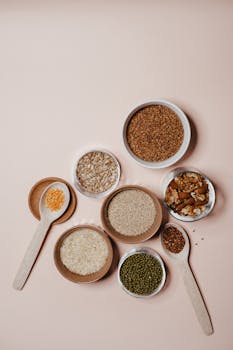
Flax meal from flax seeds has gained popularity as a nutritional powerhouse in recent years. Derived from finely ground flax seeds, this versatile ingredient is celebrated for its potential health benefits. Whether you’re eager to boost your omega-3 fatty acid intake or looking for plant-based protein sources, flax meal might be just what you need on your wellness journey.
Why Choose Flax Meal from Flax Seeds?
Flax meal contains the same nutritional benefits as whole flax seeds, but it’s easier to digest and helps the body absorb nutrients more effectively. Rich in alpha-linolenic acid (ALA), a type of omega-3 fatty acid, flax meal supports heart health and may lower inflammation. It also provides lignans, plant compounds with antioxidant properties.
Moreover, flax meal is an excellent source of dietary fiber, which can promote digestive health and assist in maintaining a healthy weight. For more insights on effective weight management, consider exploring our article on safe and effective approaches to weight loss.
Health Benefits of Flax Meal
Incorporating flax meal into your diet offers numerous health advantages. Here’s a closer look at some of the potential benefits:
Heart Health
The omega-3 fatty acids in flax meal may help reduce the risk of cardiovascular disease. Studies suggest that omega-3s can lower blood pressure and cholesterol levels, contributing to overall heart health.
Digestive Health
Flax meal is a potent source of soluble and insoluble fiber, which helps regulate bowel movements and supports a healthy gut microbiome. This can prevent constipation and promote regularity.
Weight Management
High fiber content in flax meal can contribute to a feeling of fullness, which might reduce overall calorie intake. Regular consumption could support weight control efforts and healthy eating habits.
Rich in Nutrients
Beyond omega-3s and fiber, flax meal provides a good amount of protein, making it a desirable addition to vegetarian and vegan diets. It’s also a source of essential vitamins and minerals, including magnesium and B-vitamins.
Antioxidant Properties
Lignans in flax meal offer antioxidant effects, which help protect cells from damage. These compounds might also have hormone-balancing properties, which are beneficial for post-menopausal women.
How to Use Flax Meal in Everyday Cooking
Flax meal is versatile and can be easily incorporated into your daily meals. Unlike whole seeds, it doesn’t require grinding before use. Here are some ideas:
- Mix into smoothies for a nutritional boost.
- Add to oatmeal or yogurt for extra fiber.
- Use as an egg substitute in baking (mix 1 tablespoon of flax meal with 3 tablespoons of water per egg).
- Incorporate into bread or pancake mixes for a nuttier flavor.
Considerations and Precautions
While flax meal is generally safe for most people, there are some considerations to keep in mind:
- Gradually introduce flax meal to your diet to allow your digestive system to adjust.
- Stay hydrated, as the fiber in flax meal requires extra fluids.
- If you have dietary restrictions or health conditions, consult with a healthcare provider before making any significant dietary changes.
For more detailed information on the benefits and uses of flax meal from flax seeds, visit Wikipedia’s Health page.
Final Thoughts on Flax Meal from Flax Seeds
Flax meal from flax seeds offers a host of potential health benefits, from supporting heart health to aiding digestion. By incorporating this versatile ingredient into your daily meals, you may enhance your nutritional intake significantly. As with any dietary change, consider discussing it with a healthcare professional to ensure it aligns with your personal health goals.
- Flax meal is made from finely ground flax seeds.
- It is rich in omega-3 fatty acids and dietary fiber.
- Flax meal may support heart, digestive, and weight management health.
- Easy to incorporate into various recipes and diets.
- Consult a healthcare provider for personalized guidance.
Frequently Asked Questions
What is the difference between flax meal and flax seeds?
Flax meal is simply ground flax seeds. The grinding process makes it easier for the body to digest and absorb its nutrients compared to whole seeds.
Can I use flax meal in baking?
Yes, flax meal can be used in baking as an egg substitute. It adds a nutty flavor and boosts the nutritional content of baked goods.
How much flax meal should I consume daily?
The general recommendation is to consume 1-2 tablespoons of flax meal per day. However, it’s best to consult a healthcare provider for personalized advice.
Is flax meal safe for everyone?
Flax meal is safe for most people, but those with specific health conditions or dietary restrictions should consult a healthcare professional before adding it to their diet.
Can flax meal help with weight loss?
Flax meal’s high fiber content may help you feel fuller longer, potentially aiding in weight management. It’s best used as part of a balanced diet and regular physical activity.
Other Articles You May Find of Interest...
- Unlocking the Benefits of Dragon Fruit Seeds for Your Health
- The Recovery Advantage Elite Athletes Don’t Talk About Enough
- Is the B Positive Blood Type Diet Right for You? Discover the Benefits!
- Aging Actively: How the Right Exercise Routine Can Add Years to Quality of Life
- Can Zoloft Cause Weight Gain? Understanding the Effects on Your Body
- Can Sugar Trigger Headaches? Exploring the Link Between Sugar Headaches and Pain Relief
- How to Convert 100.4°F to Celsius for Accurate Health Monitoring




