






More Weight Control, Nutrition & Exercise Articles
The Surprising Impact of Oatmeal on Blood Sugar Levels
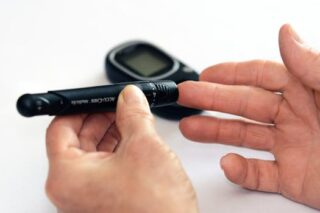
Oatmeal has long been hailed as a nutritious breakfast choice, but what impact does it have on blood sugar levels? Understanding the oatmeal glycemic index is essential for anyone looking to manage their blood sugar, especially those with diabetes or those trying to maintain a balanced diet. The glycemic index (GI) measures how quickly a carbohydrate-containing food raises blood glucose levels. Join us as we explore how oatmeal can fit into a healthy eating plan and what makes it a potentially beneficial option for maintaining stable blood sugar.
The Oatmeal Glycemic Index Decoded
The glycemic index of oatmeal varies depending on its type. Rolled or steel-cut oats have a lower GI compared to instant oats, meaning they are digested and absorbed more slowly, leading to a gradual rise in blood sugar levels. This slower digestion is due to the higher fiber content in less processed oats, which can contribute to better blood sugar control.
According to the American Diabetes Association, choosing foods with a low GI score may help manage blood sugar levels more effectively. Rolled oats typically have a GI score of around 55, while instant oats can soar above 70.
Why Oatmeal is a Smart Carbohydrate Choice
Oatmeal is rich in soluble fiber, particularly beta-glucan, which can slow the absorption of carbohydrates and improve insulin sensitivity. This makes it a smart carbohydrate choice for those watching their blood glucose levels. Additionally, the fiber in oatmeal can promote a feeling of fullness, potentially aiding in weight management.
Pairing oatmeal with other low-GI foods, such as fruits or nuts, can further enhance its blood sugar-stabilizing effects. For more information on maintaining a healthy weight through smart nutrition, explore our guide on weight loss: safe and effective approaches.
The Role of Preparation Methods
The way you prepare oatmeal can influence its glycemic impact. Cooking oats in water without added sugars can keep the GI lower. Moreover, adding proteins or healthy fats like a spoonful of nut butter or a sprinkle of chia seeds can help slow the absorption of carbohydrates, further moderating blood sugar levels.
It’s also essential to be mindful of the portion size when preparing oatmeal, as larger servings can lead to spikes in blood sugar, regardless of the type of oats used.
Other Health Benefits of Oatmeal
Besides aiding in blood sugar management, oatmeal offers several other health benefits. It is heart-healthy, due to its ability to lower cholesterol levels. Oats also contain antioxidants that can provide anti-inflammatory effects, supporting overall health and wellbeing.
Regular consumption of oatmeal has been linked to improved digestive health and a lower risk of weight gain, thanks to its potent fiber content. These benefits make oatmeal a versatile food choice for various dietary needs.
Practical Tips for Integrating Oatmeal into Your Diet
For those new to incorporating oatmeal into their diets, consider starting with a simple bowl of rolled oats topped with fresh berries and a dollop of Greek yogurt. Gradually explore different recipes, like overnight oats or savory oatmeal dishes, to find what works best for you.
When shopping, aim for minimally processed oats to take full advantage of their low glycemic benefits. Be wary of flavored instant oats, which often contain added sugars and can drive up the glycemic index.
Explore More About Oatmeal and Glycemic Impact
For those interested in diving deeper into the science behind the oatmeal glycemic index, numerous resources are available to learn more about the nutritional benefits of oats and how they affect blood sugar. Reliable and in-depth information can be found through various educational platforms.
Further reading on healthy eating patterns is available at the Health Wikipedia page, where you can find more insights on nutrition and lifestyle choices.
Conclusion: The Oatmeal Glycemic Index and You
The oatmeal glycemic index provides valuable insight into how this staple food can affect blood sugar levels. By opting for less processed varieties and mindful preparation, oatmeal can be a beneficial addition to your diet, offering numerous health advantages while helping to maintain stable glucose levels.
- Oatmeal has varying glycemic index scores depending on the type and preparation.
- Choosing rolled or steel-cut oats offers better blood sugar control.
- Combining oatmeal with protein or healthy fats may enhance its benefits.
- Oatmeal offers other health benefits, like heart health and digestive support.
- Be mindful of portion sizes and additional toppings.
What is the glycemic index of oatmeal?
Oatmeal’s glycemic index varies with its type; rolled oats have a lower GI (~55) compared to instant oats (>70).
How does oatmeal help with blood sugar control?
Oatmeal, particularly when it’s less processed, contains fiber like beta-glucan that slows carbohydrate absorption, promoting stable blood sugar levels.
Can I add sweeteners to my oatmeal?
While adding sweeteners can increase the GI of oatmeal, natural options like fruit may offer a more nutritious way to enhance flavor.
Are there any oats to avoid for low glycemic impact?
Instant oats usually have higher GI scores and added sugars; choosing rolled or steel-cut oats is a better option for blood sugar control.
How should I incorporate oatmeal into a balanced diet?
Include oatmeal as a part of a balanced diet, pairing it with proteins and healthy fats, and maintaining moderate portion sizes for best results.
Other Articles You May Find of Interest...
- Medical Weight Loss vs DIY Diets: A Physician’s Perspective
- Building Crushing Grip Strength: Your Path to Powerful Hands
- Do You Gain Weight When You’re on Your Period? Understanding Menstrual Weight Fluctuations
- How a Weight Loss Clinic Helps You Break Plateaus Safely
- Delicious Gluten Free Treats for Every Occasion
- Exploring the Benefits and Challenges of the Carnivore Diet Plan
- Unlocking the Surprising Health Benefits of Peanuts for a Better You




