






Your Health Magazine
4201 Northview Drive
Suite #102
Bowie, MD 20716
301-805-6805
More Weight Control, Nutrition & Exercise Articles
The Recovery Advantage Elite Athletes Don’t Talk About Enough
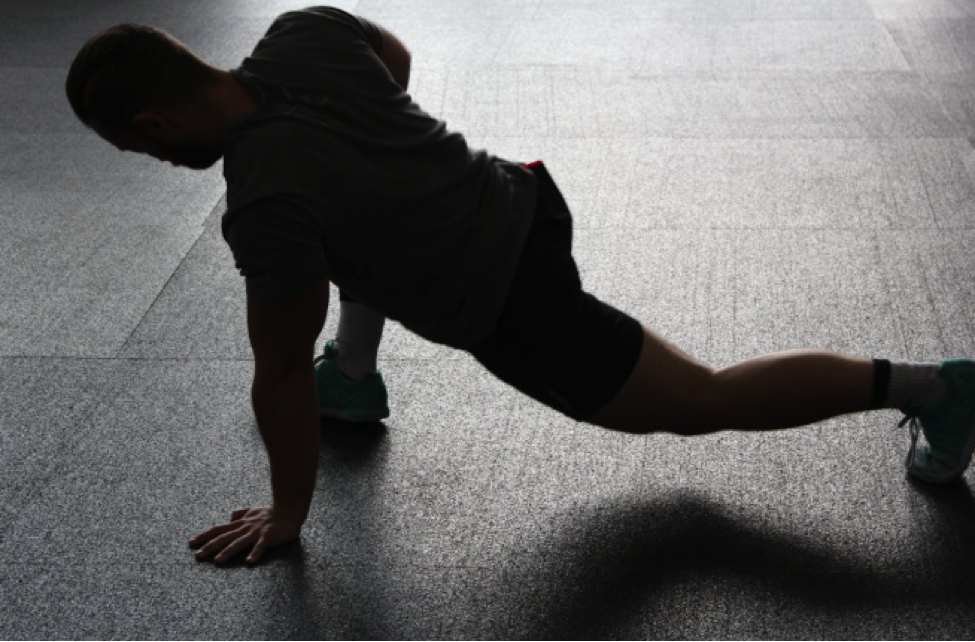
Many athletes believe progress depends on harder workouts. So they add more sets, more miles, or more intensity. Yet they still feel sore, tired, and stuck. If that sounds familiar, the problem may not be your training plan. It may be your recovery plan. Training breaks muscle tissue down. Recovery rebuilds it. Without proper repair, your body cannot adapt to the stress you place on it. Over time, poor recovery leads to plateaus, nagging pain, and mental burnout. Elite athletes understand this, even if they do not talk about it often. They treat recovery as a skill. And like any skill, you can improve it with the right approach.
Fueling for Repair Instead of Just Energy
Many athletes eat to power workouts but forget to eat for recovery. After training, your body needs protein to rebuild muscle fibers. It also needs carbohydrates to restore energy stores and healthy fats to support hormone balance. Skipping meals or under-eating delays repair. Some athletes try to cut calories while training hard, which can slow progress. Recovery nutrition does not require extreme diets or complicated plans. It requires consistency. Eating balanced meals within a few hours after training supports muscle repair and reduces excessive soreness. Hydration also plays a key role. Muscles recover better when fluid levels stay steady.
Beyond food, some athletes also look at targeted recovery support. For instance, natural peptides for muscle recovery are being studied for their role in supporting muscle repair pathways and helping regulate inflammation after intense training. They complement a solid recovery plan built on adequate protein, balanced meals, and consistent hydration.
Sleep Is Your Built-In Repair System
Sleep does more for performance than most supplements. During deep sleep, your body releases hormones that support muscle repair and tissue growth. Your brain also resets. Reaction time, focus, and mood improve when you sleep well. Poor sleep slows muscle repair and increases fatigue the next day. Many athletes underestimate how even a small sleep loss affects performance. Going to bed at a consistent time helps your body follow a rhythm. Reducing screen time before bed supports deeper rest. A cool, dark room makes it easier to stay asleep. You cannot out-train bad sleep habits. If recovery feels slow, your sleep routine is the first place to look.
Controlling Inflammation Without Blocking Progress
Inflammation often gets labeled as bad, but it plays a role in muscle repair. After training, your body sends signals that start the healing process. Problems begin when inflammation stays high for too long. Chronic soreness, joint pain, and constant fatigue often signal poor recovery habits. Some athletes rely too heavily on painkillers or extreme cold therapy to shut inflammation down quickly. That approach can interfere with natural repair if overused. A better strategy focuses on balance. Proper sleep, steady hydration, nutrient-rich meals, and light movement help regulate inflammation without stopping adaptation. The goal is not to eliminate soreness completely. The goal is to recover in a steady, sustainable way.
Mobility Work Keeps Muscles and Joints Ready
Hard training shortens muscles and places stress on joints. If you ignore mobility, your range of motion slowly decreases. Tight tissue can change movement patterns and increase strain on other areas. Over time, this raises injury risk. Simple mobility work helps maintain joint health and supports blood flow to muscles. Light stretching, controlled strength exercises, and low-intensity movement on rest days can improve circulation without adding stress. Many elite athletes include short mobility sessions daily, not just after tough workouts. This habit helps them train consistently without constant stiffness. Mobility work does not need to be long or complex. It needs to be regular. Small daily efforts often prevent bigger problems later.
Managing Nervous System Stress Off the Field
Training stresses not only muscles but also the nervous system. Long work hours, poor sleep, and constant screen exposure add more strain. When stress remains high, heart rate stays elevated, sleep quality drops, and recovery slows. Athletes often overlook this link. Mental fatigue can reduce coordination and reaction time just as much as physical fatigue. Simple habits can lower daily stress. Short breathing exercises help calm the body. Time away from screens before bed supports deeper sleep. Planned rest days reduce overall load. Recovery improves when you manage both physical and mental stress. Strong performance depends on a balanced nervous system, not just strong muscles.
Recovery Changes as You Get Older
Recovery often feels different after your mid-thirties. Muscle repair slows slightly, and joint stiffness becomes more common. Hormone levels that support muscle growth also shift with age. This does not mean progress stops. It means recovery needs more attention. Older athletes often benefit from longer warm-ups, more rest between intense sessions, and steady strength training to protect joints. Sleep becomes even more important. Balanced protein intake throughout the day supports muscle maintenance. Ignoring recovery can lead to nagging injuries that take longer to heal. Training smarter allows many athletes to stay strong and competitive well into later decades without constant setbacks.
Tracking Recovery Improves Long-Term Performance
Many athletes track sets, reps, and miles but ignore recovery signals. Paying attention to sleep quality, resting heart rate, mood, and soreness can reveal patterns. A simple journal works well. If performance drops for several days in a row, recovery may need adjustment. Wearable devices can provide useful trends, but they should not replace body awareness. The goal is to notice changes early before small issues grow into injuries. Consistent tracking encourages smarter decisions about training load. Elite athletes often review recovery markers weekly. This habit helps them balance effort and rest. Long-term progress depends on adjusting before burnout or injury forces a break.
Elite athletes do not rely on talent alone. They protect their ability to train by respecting recovery. They sleep with discipline, fuel with purpose, manage stress, and monitor how their bodies respond. None of these habits require extreme methods. They require consistency. If progress feels slow or soreness lingers, adding more intensity may not help. Improving recovery often delivers better results. Strong performance depends on how well your body rebuilds after stress. When you treat recovery as part of training instead of an afterthought, you give yourself a real advantage. The edge is not secret. It is simply practiced every day.
Other Articles You May Find of Interest...
- Unlocking the Amazing Benefits of Fennel for Your Health and Wellbeing
- Is It Safe to Enjoy Medium Rare Steak During Pregnancy?
- Enhance Your Cooking with These Surprising Tricks Using Salt
- Unlocking the Secrets of the Winter Formula for Optimal Health
- Navigating Life with an Abdominal Pannus: Tips for Health and Well-being
- Assessing Nutritional Needs: A Guide to the Aspen Malnutrition Criteria
- Can You Achieve Weight Loss on a Maintenance Dose of Wegovy?




