






More Weight Control, Nutrition & Exercise Articles
Perfectly Sized Portions: Discovering the Ideal Serving of Rice
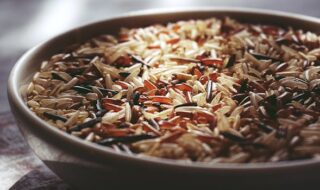
Understanding how much rice is a serving size is essential for maintaining a balanced diet and making informed nutritional choices. Rice, a staple food across many cultures, provides valuable carbohydrates and essential nutrients. However, consuming appropriate portions can help manage calorie intake and support a healthy lifestyle. Let’s explore the intricacies of rice serving sizes and how you can incorporate them into your meals effectively.
How Much Rice is a Serving Size?
The serving size of rice can vary depending on dietary guidelines, cultural practices, and individual health goals. Generally, a single serving size of cooked rice is about one-half cup. This portion equals approximately 100 grams or 3.5 ounces. It’s important to note that this measurement relates to cooked rice, as rice expands when cooked.
Uncooked rice typically doubles in volume when cooked, so one-half cup of uncooked rice yields about one cup of cooked rice. Adjusting your portion based on personal caloric needs and activity levels is advisable. Sticking to appropriate servings can be a helpful strategy for weight management and ensuring balanced nutrition. For more personalized dietary plans, always consider consulting with a healthcare professional.
Types of Rice and Their Nutritional Profiles
Rice comes in a variety of types, each with its unique nutritional profile. These differences can influence the choice of rice based on dietary preferences and nutritional goals.
- White rice: The most commonly consumed type, white rice is milled to remove the bran and germ layers, leading to a softer texture. Although it has a longer shelf life, this processing often strips away nutrients.
- Brown rice: Retains its bran layer, offering more fiber, vitamins, and minerals than white rice. Its nuttier taste and chewier texture make it a healthy choice for those looking to increase their fiber intake.
- Wild rice: Technically a seed, wild rice is high in protein and low in fat. It’s an excellent option for those seeking to diversify their nutrient intake.
- Basmati and Jasmine rice: Long-grain varieties often used in specific cuisines. They have distinct aromas and flavors, adding aromatic qualities to meals.
Portion Control and Balanced Meals
When integrating rice into your diet, keeping portion sizes in check is crucial to maintaining a healthy balance. Moderation is key, particularly as rice is often paired with protein-rich foods and vegetables. Crafting balanced meals with proper portions of rice, proteins, vegetables, and healthy fats can enhance your overall dietary quality.
Combining rice with a variety of vegetables not only increases the fiber content but also adds essential vitamins and minerals to your meal. Lean proteins, such as chicken or tofu, complement the meal, making it a complete and fulfilling option.
Rice Serving Sizes in Different Diets
Consideration of serving sizes varies across different dietary practices. For those following low-carbohydrate or ketogenic diets, rice may not be ideal due to its high carbohydrate content. In contrast, vegetarians and vegans might rely more heavily on rice, as it serves as a valuable source of energy and nutrients in a plant-based diet.
Being mindful of individual dietary needs and how much rice is a serving size can significantly influence your diet’s effectiveness in meeting health and wellness goals. Customizing portion sizes and choosing the type of rice that aligns with specific dietary guidelines is essential for achieving desired health outcomes.
Health Implications of Rice Consumption
While rice provides essential nutrients like carbohydrates and some B vitamins, its role in your diet should be complemented by a variety of foods. Eating an excessive amount of rice could lead to an imbalance in macronutrients, potentially affecting weight management efforts and overall health.
Choosing whole-grain options and pairing rice with a variety of other nutritious foods can help mitigate these risks. Cooking methods also matter; for instance, boiling or steaming rice without added fats can maintain its nutritional benefits while keeping calorie counts in check.
Additional Resources for Healthy Eating
For further exploration of balanced meal strategies and weight management methods, consider visiting our article on safe and effective approaches to weight loss. Empower yourself with more information to make informed dietary choices that enhance your health and well-being.
For external information on the nutritional value and types of rice, you can refer to this informational resource.
Conclusion: Embracing Balanced Nutrition with Rice
Determining how much rice is a serving size is a crucial step in managing your diet effectively. By understanding portion sizes, choosing whole-grain options, and incorporating balanced meals, rice can be a valuable component of a nutritious diet. As with any dietary changes, consulting healthcare professionals can provide personalized insights to support your health and nutrition journey.
- One-half cup cooked rice is a standard serving size.
- Choose brown rice to maximize nutrient intake.
- Pair rice with proteins and vegetables for balanced meals.
- Adjust portion sizes according to individual dietary needs.
- Consult professionals for personalized dietary advice.
What is the recommended serving size for rice?
The recommended serving size for cooked rice is typically one-half cup, which amounts to about 100 grams or 3.5 ounces.
Why should I consider brown rice over white rice?
Brown rice retains the bran layer, providing more fiber, vitamins, and minerals than white rice, making it a healthier option.
Can rice fit into a low-carbohydrate diet?
Rice is high in carbohydrates and typically not recommended for low-carb diets. Those following such diets may consider alternatives.
How does portion control impact dietary health when consuming rice?
Practicing portion control ensures balanced calorie intake and supports overall nutritional goals, helping maintain a healthy diet.
What are some healthy rice preparation methods?
Boiling or steaming without added fats are healthy preparation methods that preserve rice’s nutritional benefits while keeping calories in check.
Other Articles You May Find of Interest...
- Unlocking the Benefits of Dragon Fruit Seeds for Your Health
- The Recovery Advantage Elite Athletes Don’t Talk About Enough
- Is the B Positive Blood Type Diet Right for You? Discover the Benefits!
- Aging Actively: How the Right Exercise Routine Can Add Years to Quality of Life
- Can Zoloft Cause Weight Gain? Understanding the Effects on Your Body
- Can Sugar Trigger Headaches? Exploring the Link Between Sugar Headaches and Pain Relief
- How to Convert 100.4°F to Celsius for Accurate Health Monitoring




