






More Weight Control, Nutrition & Exercise Articles
Nourishing Choices: Foods That Help You Tolerate Antibiotics Without Nausea
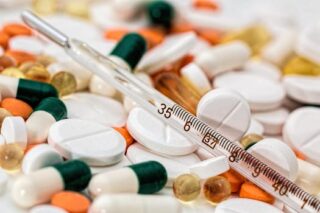
When you’re on antibiotics, minimizing side effects such as nausea is crucial for comfort and compliance with your treatment. One way to achieve this is by choosing the right foods to accompany your medication. Understanding the best food to eat with antibiotics to avoid nausea can make a significant difference in how you feel while recovering.
What Is the Best Food to Eat With Antibiotics to Avoid Nausea?
Antibiotics can disrupt the balance of your digestive system, leading to nausea and other gastrointestinal discomforts. Selecting the right foods to eat alongside antibiotics not only supports your digestive health but can also help you feel better overall.
Probiotic-Rich Foods
Incorporating foods rich in probiotics, such as yogurt or kefir, is beneficial when taking antibiotics. Probiotics are live bacteria that help maintain the natural balance of organisms in your intestines. These foods can replace good bacteria lost due to antibiotics, potentially reducing nausea and improving digestion.
Complex Carbohydrates
Complex carbohydrates, including whole grains, brown rice, and oats, are gentle on the stomach and easy to digest. These foods provide a slow and steady release of energy, helping stabilize your stomach and reduce nausea.
Foods With Ginger
Ginger is well-known for its anti-nausea properties. Incorporating ginger tea or ginger-infused dishes can naturally help alleviate nausea when taken with antibiotics. This soothing root is not only beneficial in managing digestive issues but can also enhance your overall comfort during treatment.
Bananas: Nature’s Remedy
Bananas are mild and bland, making them easy on an upset stomach. They are rich in potassium, a crucial mineral that can be depleted when you’re feeling nauseated. Bananas provide a soothing effect and a quick source of energy, making them ideal foods to consume with antibiotics.
Lean Proteins
Integrating lean proteins such as chicken, turkey, and fish during your antibiotic course can stabilize blood sugar levels and prevent nausea from hunger. Proteins are essential building blocks for your body and can support a balanced diet during recovery. Discover more about the role of proteins in weight control and nutrition.
Staying Hydrated
Don’t forget the importance of staying hydrated. Drinking plenty of water is essential when on antibiotics to flush out toxins and keep your digestive system in check. Aim for at least 8 glasses a day and consider supplementing with herbal teas.
Small, Frequent Meals
Instead of three large meals, consuming smaller, more frequent meals throughout the day can help ease nausea. Smaller portions put less strain on your digestive system and can mitigate the discomfort associated with nausea.
As you consider the best food to eat with antibiotics to avoid nausea, these nutrient-dense choices not only help support your gut health but also ensure you gain the full benefits of your medication without unpleasant side effects.
- Include probiotic-rich foods like yogurt to balance gut bacteria.
- Opt for complex carbohydrates for easy digestion.
- Consider consuming ginger to naturally soothe nausea.
- Bananas provide a quick, gentle energy source.
- Drink plenty of water to stay hydrated.
FAQs
Can probiotics help reduce antibiotic-related nausea?
Yes, probiotics can help replenish healthy gut bacteria and may reduce digestive discomfort during antibiotic treatment.
Why are complex carbohydrates recommended with antibiotics?
Complex carbohydrates are easy to digest and provide steady energy, reducing stress on the digestive system.
Is ginger effective for nausea relief?
Yes, ginger has natural anti-nausea properties that can soothe your stomach and alleviate symptoms.
Should I drink more water when on antibiotics?
Staying hydrated is important to help flush out toxins and maintain digestive health while on antibiotics.
Can eating small meals help with nausea?
Consuming smaller, more frequent meals can prevent overstressing your stomach, potentially reducing nausea.
For deeper insights and further reading on health topics, visit this comprehensive resource.
Other Articles You May Find of Interest...
- Unlocking the Benefits of Dragon Fruit Seeds for Your Health
- The Recovery Advantage Elite Athletes Don’t Talk About Enough
- Is the B Positive Blood Type Diet Right for You? Discover the Benefits!
- Aging Actively: How the Right Exercise Routine Can Add Years to Quality of Life
- Can Zoloft Cause Weight Gain? Understanding the Effects on Your Body
- Can Sugar Trigger Headaches? Exploring the Link Between Sugar Headaches and Pain Relief
- How to Convert 100.4°F to Celsius for Accurate Health Monitoring




