






More Weight Control, Nutrition & Exercise Articles
Is an Avocado Really a Fruit or Something Else?
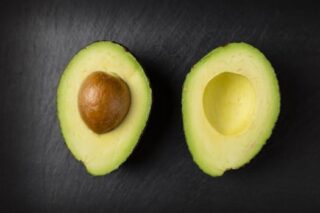
Have you ever wondered, “Is an avocado a fruit?” This question might seem trivial at first, but it can be a delightful topic of exploration. Avocados are a staple in many diets, cherished for their creamy texture and health benefits. Yet, their classification often stirs curiosity. Is it a fruit, a vegetable, or perhaps something else entirely? Let’s delve into the world of avocados to uncover the truth about their nature.
Is an Avocado a Fruit?
To address this question, let’s start with the basics of botanical classification. In botanical terms, a fruit is the mature ovary of a flowering plant, usually containing seeds. Avocados, scientifically known as Persea americana, fit perfectly into this definition. They develop from the flower of the avocado tree and carry the seeds required for reproduction, solidifying their status as a fruit.
However, as with tomatoes and cucumbers, avocados are often treated as vegetables in culinary contexts. This is due to their savory flavor profile and common use in salads and savory dishes, contrasting with the sweet taste that typically characterizes fruits.
Nutritional Benefits of Avocados
Now that we’ve established avocados as fruits, let’s explore their nutritional value, which is a significant reason for their popularity. Avocados are packed with healthy fats, particularly monounsaturated fats, which are beneficial for heart health. They are also a source of vitamins and minerals, including vitamin K, folate, vitamin C, and potassium.
The fiber content in avocados is another standout feature. Dietary fiber is essential for a healthy digestive system and can help in maintaining a balanced diet, which is crucial for weight control and nutrition.
Culinary Uses of Avocados
While avocados are technically fruits, their culinary uses extend far beyond what might be expected from a typical fruit. They are the primary ingredient in guacamole, a beloved dip with roots in Mexican cuisine. But that’s just the beginning. Avocados can be sliced onto sandwiches, blended into smoothies, or even used as a butter substitute in baking.
Incorporating avocados into your diet is not only delicious but also adds a creamy texture to various dishes, enhancing both flavor and nutritional content.
Health Implications and Considerations
Avocados offer numerous health benefits, but they are also calorically dense. A single avocado contains around 250–300 calories, mainly due to its high fat content. While these fats are healthy, it’s crucial to enjoy avocados in moderation as part of a balanced diet.
Additionally, some individuals may be allergic to avocados. Symptoms can range from mild itching to more severe reactions. If you suspect an allergy, consult a healthcare provider to discuss symptoms and appropriate actions.
Environmental Impact of Avocado Cultivation
Avocado farming has environmental implications that merit attention. The demand for avocados has surged in recent years, leading to increased cultivation. This expansion can impact local ecosystems, particularly if sustainable farming practices are not employed. Understanding the environmental effects of avocado farming encourages responsible consumption and supports sustainable practices.
Conclusion: The Avocado’s Identity
In conclusion, is an avocado a fruit? Yes, botanically, the avocado is indeed a fruit. Its versatile culinary applications, rich nutritional profile, and beneficial fats make it a valuable addition to a healthy diet. However, like any food, it should be consumed mindfully and as part of a balanced diet. For more detailed nutritional information, you can explore resources like this Wikipedia page.
- Avocados are botanically classified as fruits.
- They are rich in healthy fats and nutrients like vitamin K and folate.
- Avocados have versatile culinary applications, from guacamole to smoothies.
- Consumption should be balanced due to their calorie density.
- Environmental impacts of avocado production warrant consideration.
FAQ
What type of fat is found in avocados?
Avocados are rich in monounsaturated fats, which are beneficial for heart health.
Can people with food allergies eat avocados?
While many can enjoy avocados without issues, some may experience allergic reactions. It’s essential to consult a healthcare provider if you suspect an allergy.
How can I include avocados in my diet?
Avocados can be used in salads, sandwiches, smoothies, or as a substitute for butter in baking. They offer a creamy texture and rich flavor.
Are avocados suitable for weight loss?
Avocados can be part of a weight loss diet due to their high fiber and healthy fat content, but it’s important to enjoy them in moderation because they are calorie-dense.
What are some environmental concerns related to avocado farming?
Increased demand for avocados can impact local ecosystems and water usage. Supporting sustainable farming practices can help mitigate these effects.
Other Articles You May Find of Interest...
- Unlocking the Benefits of Dragon Fruit Seeds for Your Health
- The Recovery Advantage Elite Athletes Don’t Talk About Enough
- Is the B Positive Blood Type Diet Right for You? Discover the Benefits!
- Aging Actively: How the Right Exercise Routine Can Add Years to Quality of Life
- Can Zoloft Cause Weight Gain? Understanding the Effects on Your Body
- Can Sugar Trigger Headaches? Exploring the Link Between Sugar Headaches and Pain Relief
- How to Convert 100.4°F to Celsius for Accurate Health Monitoring



