






More Weight Control, Nutrition & Exercise Articles
Intrapulmonary Shunting: What Does It Mean for Your Lung Health?
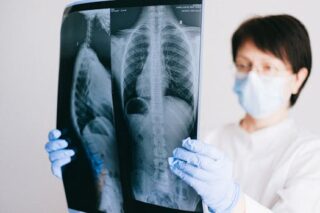
Intrapulmonary shunting is a term that might sound complex, but it refers to a crucial process affecting lung function. Understanding this concept can illuminate how our bodies operate, particularly the way blood flows through our lungs. Essentially, intrapulmonary shunting occurs when blood bypasses the alveoli in the lungs, where oxygen exchange should typically occur. This bypass can have significant implications for lung health, leading to a decrease in the efficiency of oxygen transfer from the air we breathe to our bloodstream.
Understanding Intrapulmonary Shunting
To comprehend intrapulmonary shunting, it’s helpful to first explore how the lungs function under normal circumstances. The primary role of the lungs is to facilitate the exchange of gases: taking in oxygen and expelling carbon dioxide. This exchange occurs in the alveoli, the tiny air sacs located within the lungs.
In cases of intrapulmonary shunting, some of this blood circulates through the lungs without participating in gas exchange. This anomaly can result in less oxygen being delivered to tissues throughout the body, potentially leading to hypoxemia, a condition marked by low oxygen levels in the blood.
Causes of Intrapulmonary Shunting
Various factors can contribute to intrapulmonary shunting, including both acute and chronic conditions. For instance, diseases such as pneumonia or pulmonary edema can impede the ability of the alveoli to exchange gases effectively. In these instances, inflammation or fluid accumulation makes gas exchange difficult, forcing blood to bypass these critical regions.
Another potential cause could be certain congenital heart defects, which can reroute blood flow, bypassing the normal lung circulation channels. Identifying the underlying cause of this shunting is crucial in managing and addressing the resultant symptoms.
Symptoms and Diagnosis
Symptoms associated with intrapulmonary shunting may vary depending on severity and the underlying cause. The most common symptom is shortness of breath, particularly when engaging in physical activities. Some individuals may also experience fatigue or bluish discoloration of the skin, known as cyanosis, due to inadequate oxygen levels.
Diagnosis typically involves a combination of blood tests to assess oxygen saturation and imaging studies, such as a chest X-ray or CT scan. These methods help pinpoint areas of abnormal blood flow or lung function, providing insights into the extent and impact of the shunt.
Treatment and Management
Treating intrapulmonary shunting focuses on addressing the underlying cause and improving lung function. For instance, if the condition is due to an infection like pneumonia, antibiotics may be prescribed alongside supportive therapies such as oxygen supplementation.
In more chronic cases, such as congenital heart defects, surgical intervention may be necessary. Working closely with healthcare providers ensures that appropriate strategies are employed to manage symptoms and improve quality of life.
Lifestyle Considerations
Adopting healthy lifestyle choices can play a supportive role in managing lung health. Regular exercise, a balanced diet, and avoiding smoking are essential measures to maintain lung efficiency. For more insights on how lifestyle choices impact our overall health, check out our comprehensive guide on lifestyle and health.
The Future of Lung Health Research
Ongoing research continues to shed light on the intricacies of intrapulmonary shunting and lung health. Studies are exploring novel therapies that could help manage airflow and gas exchange, potentially improving outcomes for those affected by lung conditions. Staying informed about these advancements can empower those living with lung issues to actively participate in their care strategies.
For more detailed information about lung health and the medical aspects of gas exchange, you can explore resources provided by external sources such as the Wikipedia page on health, which offers further reading on related topics.
Understanding intrapulmonary shunting is pivotal for recognizing its implications on lung health. Through informed medical care and lifestyle adjustments, individuals can manage their symptoms effectively, fostering better health outcomes.
- Intrapulmonary shunting affects how well oxygen is circulated in the body.
- Causes can include infections, heart abnormalities, and other lung conditions.
- An accurate diagnosis is essential for selecting effective treatment options.
- Healthy lifestyle choices are crucial in supporting lung function.
- Ongoing research is key to advancing treatment methods for lung health.
What is intrapulmonary shunting?
Intrapulmonary shunting refers to blood bypassing the alveoli, reducing oxygen exchange in the lungs.
What are the symptoms of intrapulmonary shunting?
Common symptoms include shortness of breath, fatigue, and cyanosis due to low blood oxygen levels.
How is intrapulmonary shunting diagnosed?
It is diagnosed using blood tests and imaging like chest X-rays to evaluate oxygen levels and lung function.
Can lifestyle changes help manage intrapulmonary shunting?
Yes, regular exercise, a healthy diet, and avoiding smoking can support lung health and manage symptoms.
Where can I find more information on lung health?
For more detailed resources, check reputable sites like the Wikipedia page on health.
Other Articles You May Find of Interest...
- Intrapulmonary Shunting: What Does It Mean for Your Lung Health?
- Exploring the Benefits and Drawbacks of Nightshade Vegetables
- Causes and Solutions for Loss of Appetite That Lasts for Days
- Coffee and Antioxidants: Why Your Morning Cup Is More Powerful Than You Think
- Choosing the Right Sports Bra for Your Body and Your Workout
- Why Traditional Gym Workouts Are Failing Most People (And What Actually Works)
- Struggling to Lose Weight? Start With These Proven Tips




