More Weight Control, Nutrition & Exercise Articles
Innovative Technologies: Tracking Weight Loss After Endoscopic Sleeve Gastroplasty
A bathroom scale can show whether someone weighs less than they did last week, but it cannot explain the complete story of recovery after endoscopic sleeve gastroplasty.
Today, connected scales, nutrition apps, activity trackers and virtual appointments can help patients and their clinical teams understand weight trends, hydration, food tolerance, physical activity and other meaningful health changes.

After endoscopic sleeve gastroplasty, or ESG, patients may be advised to track weekly weight trends, protein and fluid intake, food tolerance, physical activity and symptoms.
Depending on their medical history, a clinician may also monitor blood pressure, waist circumference, blood glucose, cholesterol and other metabolic markers.
The goal is not to collect as many numbers as possible. It is to identify useful patterns that can support safer recovery and sustainable weight management.
Understanding ESG and Long-term progress
ESG is a minimally invasive endoscopic weight-loss procedure.
A physician passes an endoscope and suturing device through the mouth, then places stitches inside the stomach to create a smaller, sleeve-like shape. No portion of the stomach is surgically removed, and the procedure does not require abdominal incisions.
When combined with lifestyle changes, Mayo Clinic reports that ESG can result in approximately 18% to 20% total body weight loss within 12 to 24 months.
Results vary according to factors including starting weight, health conditions, follow-up participation and adherence to nutrition and activity recommendations.
Christopher C. Thompson, MD, MSc, a Harvard Medical School professor, Everself co-founder, and physician involved in the development of the current ESG technique, has written:
“Obesity is not really about a number on a scale. Our body weight is just a symptom of the underlying condition,” Dr. Thompson has written.
That distinction helps explain why post-ESG tracking should extend beyond pounds. Weight is important, but it is only one indicator of how the body, behaviors and quality of life may be changing.
Smart scales: Follow the trend, Not the daily verdict
Connected scales automatically record weight and organize results into weekly or monthly charts. This can make it easier to recognize an overall trend without relying on memory or handwritten notes.
Daily weight, however, can fluctuate because of hydration, sodium intake, menstrual cycles, bowel patterns and the timing of meals. A higher reading one morning does not necessarily indicate fat gain, just as a sudden lower reading does not always represent permanent progress.
Patients should follow the weighing schedule recommended by their care team. When weighing at home, consistency can make the information more useful. This might mean using the same scale at approximately the same time of day and under similar conditions.
Consumer scales that estimate body fat or muscle mass can offer broad trends, but these measurements may change with hydration and should not be treated as diagnostic tests. Clinical assessments remain more appropriate when accurate body-composition information is needed.
Wearables measure more than workouts
Fitness trackers, smartwatches and smart rings may record steps, active minutes, heart-rate trends and sleep estimates. These emerging tools can help make gradual improvements visible, particularly when the scale is changing slowly.
A person may notice that walking feels easier, daily movement is increasing or recovery after activity is improving. These non-scale changes can reinforce habits that support long-term health.
Research examining digital self-monitoring in behavioral weight-management programs has found associations between tracking weight, diet or activity and weight-loss outcomes. However, engagement often declines over time, and technology is most useful when it is connected to behavioral support rather than used in isolation.
Wearable readings should also be interpreted carefully.
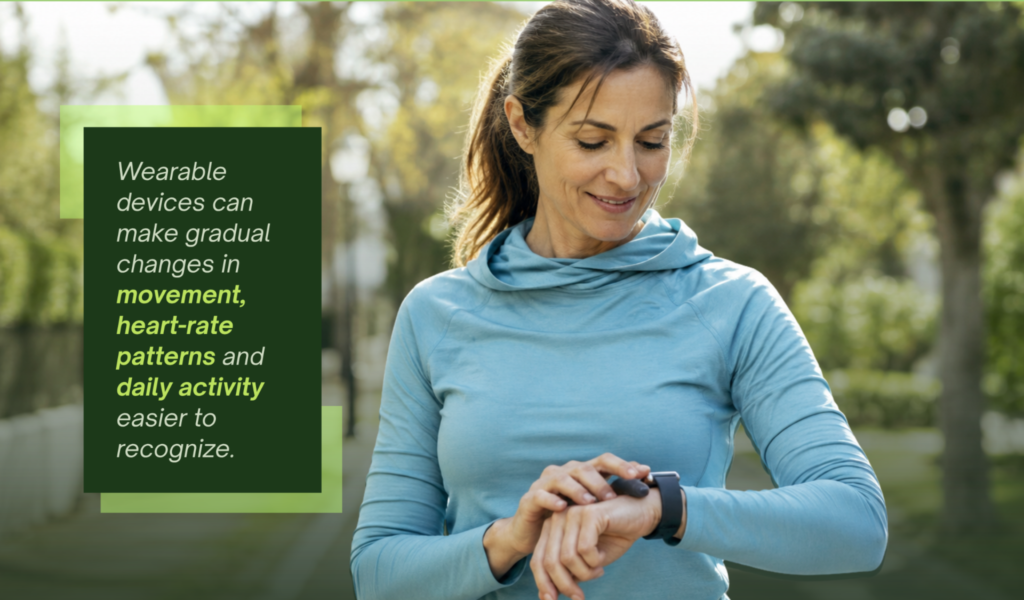
Consumer devices can encourage movement, but calorie-burn estimates and sleep-stage calculations are not always precise. Patients should rely on their clinicians, not a device-generated score to decide when and how to increase activity after ESG.
Telehealth support long-term maintenance
The support patients receive after endoscopic sleeve gastroplasty can be just as important as the procedure itself. Weight-loss apps, smart scales and fitness trackers may reveal patterns, but maintaining progress often requires guidance from a care team that can interpret those changes and help patients respond to them.
Established ESG providers typically combine the procedure with ongoing nutrition counseling, medical follow-up and behavioral support. These services can help patients manage common challenges, such as weight-loss plateaus, changing appetite, hydration goals, food tolerance and the gradual return to physical activity.
Some providers operate clinics in multiple locations and also offer virtual follow-up appointments, which may make ongoing care more convenient for some patients. Everself is one example, with a clinic providing endoscopic sleeve gastroplasty in Houston, TX and other locations. Patients considering any provider should review the available follow-up services, nutritional support, and long-term care program to determine whether they meet their individual needs.
During these visits, patients can review weight trends, eating habits, activity levels and recovery concerns with clinicians who understand their treatment plan. This turns data from a scale or wearable into practical recommendations rather than leaving patients to interpret the numbers on their own.
The most valuable ESG programs therefore extend well beyond the day of the procedure. By combining local clinical care, virtual support and personalized follow-up, providers can help patients turn initial weight loss into a more sustainable approach to health.

Nutrition apps can support early recovery
Nutrition and hydration tracking can be especially useful during the first weeks after ESG, when patients generally move through a staged eating plan.
A simple app or digital checklist may help patients record:
- Water and other approved fluids
- Protein intake
- Meal timing
- Nausea or discomfort
- Food tolerance
- Vitamins or medications recommended by the clinical team
The purpose is not always to count every calorie. During early recovery, knowing whether a patient can tolerate fluids and meet nutrition goals may be more valuable than producing a perfectly detailed food diary.
Digital records can also make follow-up appointments more productive. Instead of trying to remember what happened several days earlier, a patient can show the dietitian or clinician when symptoms occurred and what they had consumed beforehand.
Food tracking is not appropriate for everyone.
People with a history of disordered eating, compulsive tracking or anxiety around food should discuss alternative methods with a qualified healthcare professional.
Track health gains beyond the scale
Progress after ESG may also appear in measurements that are not visible in a weight-tracking app.
Depending on the individual, meaningful changes may include:
- A smaller waist circumference
- Improved blood pressure
- Better blood glucose or A1C
- Improved cholesterol levels
- Greater mobility
- Better sleep
- Reduced joint discomfort
- Improved energy or quality of life
Patients may also identify personal victories, such as walking farther, climbing stairs more comfortably, preparing balanced meals or participating more fully in family activities.
These outcomes can make progress feel relevant to daily life instead of reducing the experience to a single number.
Frequently Asked Questions
How often should I weigh myself after ESG?
Follow the schedule provided by your ESG team. Many people find that consistent weekly measurements make trends easier to interpret than repeatedly reacting to daily fluctuations.
What should I track besides weight?
Your clinician may recommend tracking fluids, protein, food tolerance, activity, waist circumference, blood pressure or metabolic laboratory results. The most appropriate measurements depend on your individual health and recovery plan.
Can a smartwatch tell me whether ESG is working?
No single device can determine whether the procedure is working. A wearable can show activity and other general patterns, but weight outcomes, symptoms, nutrition and clinical health markers should be evaluated together.
When should I contact my provider?
Contact your clinical team promptly about persistent vomiting, difficulty keeping fluids down, fever, worsening abdominal or chest pain, bleeding, difficulty swallowing or shortness of breath. Emergency symptoms require immediate medical attention.
A more complete view of progress
The best technology after ESG is not necessarily the newest device. It is the tool that helps a patient understand patterns, communicate with qualified professionals and maintain realistic habits.
Smart scales can show direction. Nutrition apps can support hydration and meal planning. Wearables can make movement visible. Telehealth can connect those observations with personalized clinical guidance.
Used thoughtfully, technology can help patients recognize that progress is rarely defined by one day, one meal or one reading. It is reflected in longer-term trends and in the health, energy and daily experiences that develop along the way.
This article is for general educational purposes and does not replace personalized medical advice, diagnosis or treatment.
Other Articles You May Find of Interest...
- What a Weight Loss Clinic in Melbourne Can Do Before and After Your Surgery
- Cold Plunge or Sauna? What the Recovery Research Actually Shows
- How Personalized Weight Loss Programs Help Achieve Sustainable, Long-Term Results
- High-Fructose Foods to Limit and Lower-Sugar Alternatives
- Best High-Fiber Foods Chart for Better Digestive Health
- How Many Carbs Are in Turkey Bacon?
- 9 Healthiest Mushrooms to Eat