






More Weight Control, Nutrition & Exercise Articles
How Pilates in Durham Is Redefining Mind-Body Fitness
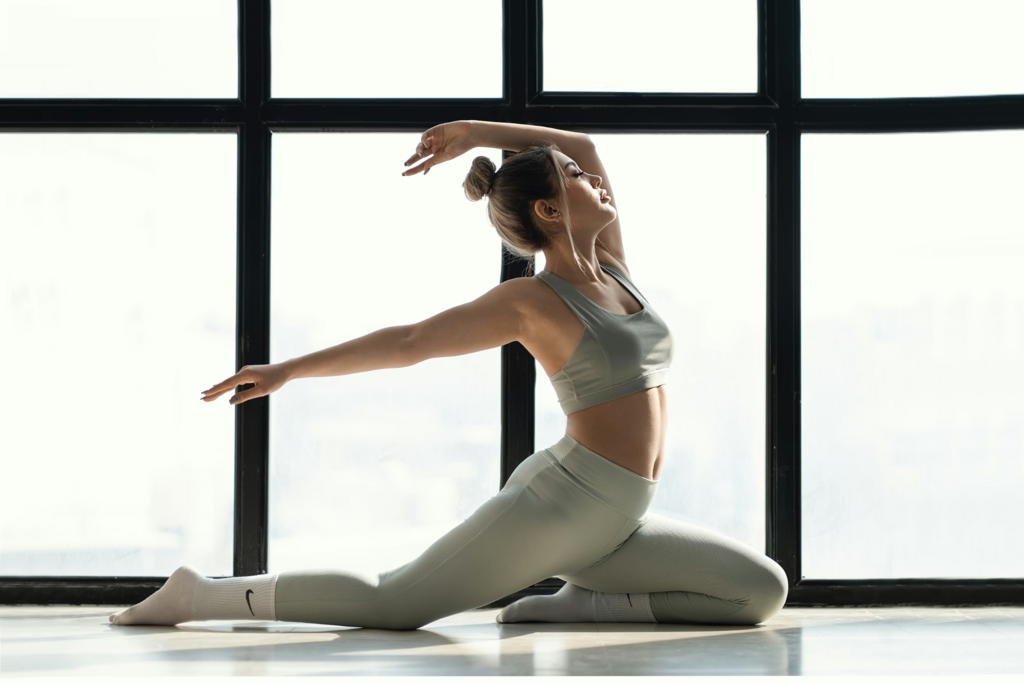
Durham’s fitness landscape has evolved considerably over the past decade, and Pilates has emerged as one of the most sought-after practices for those seeking a balanced approach to physical and mental health. Unlike high-impact workouts that can strain joints and lead to burnout, Pilates emphasizes controlled movement, core stability, and mindful breathing—principles that resonate with a growing number of people looking for sustainable fitness routines.
The Origins and Evolution of Pilates
Pilates was developed in the early 20th century by Joseph Pilates, a German physical trainer who initially designed the method to rehabilitate injured soldiers during World War I. His approach combined elements of yoga, martial arts, and gymnastics, focusing on precision, control, and breath work. According to Britannica, the practice gained traction among dancers in New York City during the 1960s, who valued its ability to build strength without bulk and aid in injury recovery.
Today, Pilates has expanded far beyond its rehabilitative roots. Research published in the Journal of Bodywork and Movement Therapies demonstrates that regular Pilates practice can significantly improve muscular endurance, flexibility, and postural alignment. The method’s emphasis on the “powerhouse”—the core muscles of the abdomen, lower back, and hips—makes it particularly effective for building functional strength that translates to everyday activities.
The physical and mental benefits of consistent practice include:
- Enhanced Core Stability: Pilates targets deep stabilizing muscles that support the spine and pelvis, improving balance and reducing lower back pain.
- Improved Flexibility: Dynamic stretching integrated into each movement pattern increases range of motion and reduces injury risk.
- Better Posture: Emphasis on spinal alignment and shoulder positioning helps correct postural imbalances caused by prolonged sitting.
- Reduced Stress: The focus on breath coordination and mindful movement activates the parasympathetic nervous system, promoting relaxation.
- Increased Body Awareness: Precise, controlled movements develop proprioception and a deeper understanding of how the body moves through space.
What Makes FlowCorps Different
FlowCorps has carved out a distinctive position in Durham’s fitness community by refusing to treat Pilates as a one-size-fits-all practice. The studio’s approach acknowledges that bodies have different needs, limitations, and goals—and that effective programming must account for these variations.
Classes are structured to accommodate multiple skill levels simultaneously, with instructors offering modifications and progressions throughout each session. This inclusive model means that someone recovering from an injury can work alongside an experienced practitioner, each receiving appropriate guidance without feeling out of place.
Key elements that distinguish FlowCorps classes:
- Adaptive Programming: Instructors assess individual capabilities and provide real-time adjustments, ensuring that each participant works at an appropriate intensity.
- Integrated Movement Patterns: Rather than isolating muscle groups, classes emphasize functional movement sequences that mirror real-world activities.
- Community-Centered Environment: The studio fosters connection among participants, creating accountability and motivation that extends beyond individual sessions.
- Evidence-Based Methodology: Programming incorporates current research on biomechanics, motor learning, and exercise physiology.
This combination of personalization and community has made FlowCorps a destination for those who want more than a generic group fitness experience.
The Mental Health Dimension
While Pilates is often discussed in terms of physical outcomes—stronger cores, better posture, increased flexibility—its impact on mental health deserves equal attention. The practice’s emphasis on breath control and present-moment awareness creates conditions similar to those found in mindfulness meditation.
A Harvard Medical School report on mind-body exercises notes that practices combining movement with focused attention can reduce symptoms of anxiety and depression while improving overall psychological well-being. Pilates fits squarely within this category, offering a structured way to quiet mental chatter while engaging in purposeful physical activity.
Participants in FlowCorps classes frequently report mental benefits that extend well beyond the studio:
- Decreased Anxiety: The rhythmic breathing patterns used throughout Pilates sessions help regulate the nervous system and reduce physiological markers of stress.
- Improved Focus: The precision required for proper form demands full attention, training the mind to concentrate on immediate tasks rather than ruminating on worries.
- Enhanced Mood: Regular physical activity stimulates endorphin release, while the social aspect of group classes provides connection and support.
- Better Sleep Quality: The combination of physical exertion and stress reduction often leads to improved sleep patterns.
For those dealing with chronic stress or mild to moderate mental health challenges, Pilates offers a non-pharmaceutical intervention that addresses both body and mind simultaneously.
How Pilates Compares to Other Training Methods
The fitness industry offers no shortage of options, from high-intensity interval training to traditional strength programs. Understanding where Pilates fits within this landscape helps clarify when it might be the right choice.
Unlike exercises that prioritize maximum load or cardiovascular exhaustion, Pilates emphasizes movement quality and neuromuscular control. This makes it particularly valuable for:
- Injury Prevention: The low-impact nature protects joints while building the stabilizing strength that prevents common injuries.
- Rehabilitation: Physical therapists frequently incorporate Pilates principles into recovery protocols because the controlled movements allow for progressive loading without excessive stress.
- Cross-Training: Athletes in other disciplines use Pilates to address imbalances, improve mobility, and enhance body awareness.
- Longevity: The practice can be sustained across the lifespan, adapting to changing physical capabilities without requiring complete reinvention.
That said, Pilates isn’t a complete fitness solution on its own. Those seeking maximum strength gains or cardiovascular conditioning will likely need to supplement with additional training. The method excels at building a foundation of functional movement and core stability that enhances performance in other activities.
The Triangle: Durham, Chapel Hill, and Raleigh
Durham’s position within the Research Triangle gives residents access to a broader Pilates community that extends into Chapel Hill and Raleigh. Each city brings its own character to the practice, with studios catering to different preferences and populations.
Chapel Hill’s Pilates scene tends to attract a university-affiliated crowd, with studios near campus offering student-friendly pricing and schedules that accommodate academic calendars. The emphasis often leans toward classical methodology, appealing to those who appreciate traditional approaches.
Raleigh’s larger population supports a more diverse array of studios, from boutique operations focusing on reformer-based classes to larger facilities offering Pilates alongside other modalities. FlowCorps maintains a presence in Raleigh as well, bringing the same adaptive, community-focused approach that has resonated in Durham.
What to expect across the Triangle:
- Varied Class Formats: Mat-based classes, reformer sessions, and hybrid approaches that combine equipment and floor work.
- Diverse Instructor Backgrounds: Teachers trained in different Pilates lineages, from classical Romana’s Pilates to contemporary STOTT methodology.
- Flexible Scheduling: Morning, lunch, and evening options accommodate different work schedules and lifestyle demands.
- Specialized Programming: Prenatal Pilates, athletic conditioning, and senior-focused classes address specific population needs.
This geographic concentration of quality instruction means that finding the right fit often comes down to personal preference rather than limited options.
Making Pilates Part of Your Routine
Starting any new fitness practice requires overcoming initial inertia and establishing sustainable habits. Pilates presents unique advantages in this regard because the low barrier to entry makes it accessible even to those who haven’t exercised regularly in years.
Most studios, including FlowCorps, offer introductory packages that allow newcomers to sample different class styles and instructors before committing to a long-term membership. This trial period serves an important function: it helps people discover whether the practice resonates with them personally, rather than simply following fitness trends.
Practical steps for integration:
- Start with Consistency Over Intensity: Two sessions per week, maintained over several months, will yield better results than sporadic attendance at higher frequency.
- Communicate with Instructors: Share any injuries, limitations, or specific goals so teachers can provide appropriate modifications and progressions.
- Supplement with Other Activities: Combine Pilates with cardiovascular exercise and strength training for comprehensive fitness.
- Track Subjective Improvements: Pay attention to how you feel—energy levels, sleep quality, stress management—not just objective measures like weight or body composition.
As with any exercise program, consulting with healthcare providers before beginning is advisable, particularly for those with existing medical conditions or significant injuries. A qualified instructor can work with medical professionals to ensure that Pilates complements rather than complicates treatment plans.
Other Articles You May Find of Interest...
- What a Weight Loss Clinic in Melbourne Can Do Before and After Your Surgery
- Cold Plunge or Sauna? What the Recovery Research Actually Shows
- How Personalized Weight Loss Programs Help Achieve Sustainable, Long-Term Results
- High-Fructose Foods to Limit and Lower-Sugar Alternatives
- Best High-Fiber Foods Chart for Better Digestive Health
- How Many Carbs Are in Turkey Bacon?
- 9 Healthiest Mushrooms to Eat





