More Weight Control, Nutrition & Exercise Articles
Scoop Smart: What Protein Powder Does and How to Use It
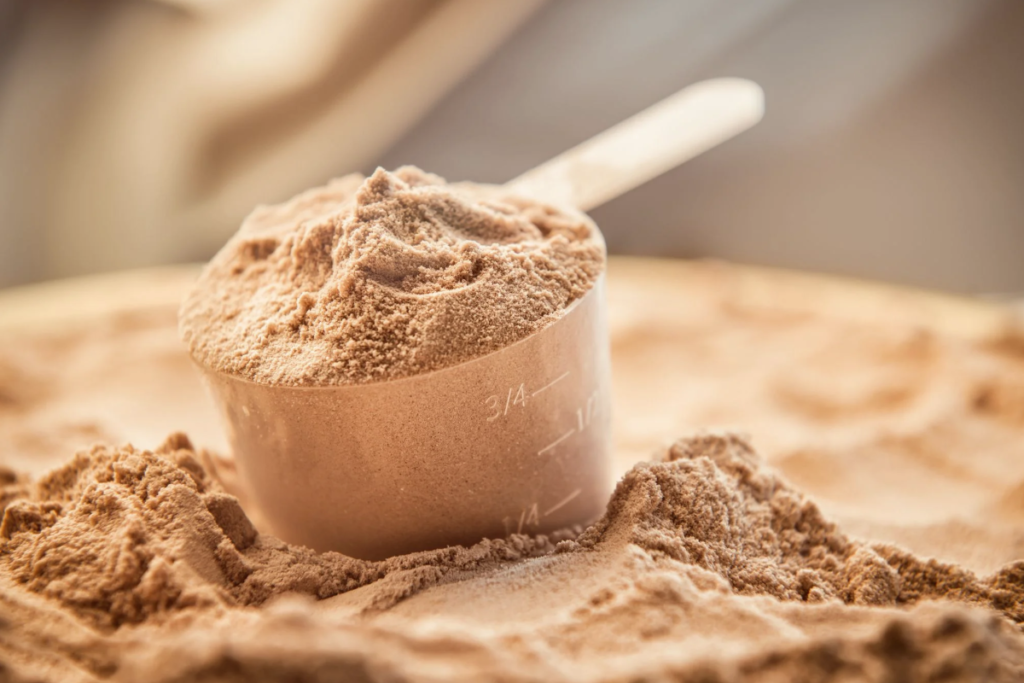
You’ve seen the tubs lining gym bags and kitchen counters. You’ve watched the post-workout shake ritual play out a hundred times. But do you actually know what’s in that scoop, what it’s doing for your body, and whether you’re using it the right way? If the honest answer is “not really,” you’re in the right place.
What Protein Supplements Do for You

Protein does what neither fats nor carbs can do. It is the building block of your muscles. Each time you lift weights or push through rigorous cardio, micro-tears occur within your muscle fibres. Protein provides your body with the amino acids needed to rebuild and repair your muscles. Without enough protein intake, the entire process stalls, your recovery slows, and your performance plateaus.
Besides building muscle, proteins keep you feeling fuller for longer, so they are useful if you wish to monitor your weight. They also play a significant role in hormone production, enzyme activity, and immune function. They are not just gym supplements taken only after workouts, but essential nutrients useful in different stages of life. The right supplement can help avoid muscle wastage during recovery from illness or surgery, or aid elderly people in maintaining muscle strength and function.
The problem here is that meeting the daily recommended protein intake through whole foods can be quite tough, especially when you are very active and short of time. This is where the use of quality protein powder earns its place – not as a magic formula but rather as a convenient, concentrated, and often cost-effective way to close the gap between what you eat and what your body needs.
The Different Types of Protein Supplements
It’s important to recognise that there are several forms of protein supplements available in the market.
Whey Protein
Whey protein, which is derived from milk during cheese production, contains all nine essential amino acids. The best thing about this supplement is that it gets digested very quickly, which is why it’s recommended after workouts when your muscles are hungry for fuel. Another form of whey protein is whey protein isolate (WPI). It is a more refined form with 90 % protein content and minimal lactose and fat. It is more easily absorbed and digested, which makes it ideal for use after a workout.
Casein
Casein is a slow-burning or slow-digesting protein that gradually breaks down and releases amino acids over several hours. It is especially beneficial for consumption before bedtime, keeping muscle protein synthesis ticking over through the night.
Plant-Based Proteins
Plant-based proteins, typically made from pea, rice, hemp, or blends of these, are suitable for vegans, vegetarians, or people who have problems with dairy products. The quality of these proteins has significantly increased in recent years, and a well-formulated blend can compete with whey in terms of amino acid profile.
Protein water and protein bars are lightweight protein supplements that don’t replace a proper meal or a post-workout shake, but can help you reach your daily intake goal.
Choosing the Right One

What are your goals and preferences? If you want to build muscle mass and recover from a workout, the best choice is whey protein isolate. If you suffer from hunger pangs in the evening and need support during your night recovery, take casein. If you have trouble with milk proteins, go with plant-based protein sources.
Analyse the label truthfully. The product you choose should contain protein as the main macronutrient per serving (ideally, 20–30 grams per scoop). Watch out for products with additional proteins or excessive sugar. A shorter, cleaner ingredient list is generally a good sign.
Flavour is an important aspect as well. You will never get any benefits out of a supplement you dislike. Purchasing several samples may be a better decision than getting a whole 2 kg jar of something you will never eat willingly.
Third-party testing. There are many types of protein powders for sale, but quality may vary a lot. Choose brands that are third-party tested by authorised organisations that check for contaminants and ensure that the product is made up of what is advertised.
How to Use Protein Powder Effectively?
- Timing is important, but what’s even more important is how much protein you consume in a day. As a general rule, people who train need an average of 1.6 – 2.2 grams of protein per kilogram of weight on a daily basis. The purpose of protein powder is to provide that additional protein intake that cannot be achieved using food alone.
- The most popular window for protein intake is 30 to 60 minutes after a workout, when muscle sensitivity is at its peak. Add your WPI or whey isolate to water or milk, or make a shake using your protein, some fruit, and oats. Casein is best used in the evening.
- Don’t forget rest days. Muscle recovery occurs non-stop, all day long. You will simply need to consume it with meals evenly distributed during the day.
- Don’t overdo it. When it comes to processing protein, your body has an upper limit, and extra amounts do not bring additional benefits.
- Integrate it with your nutrition. Supplements are meant to complement, not replace, whole foods as sources of protein.
- Start small. If you have never used protein supplements before, it is advisable to start with small amounts and see how your body responds to the product.
Bottom Line
There are few products that have been studied as much, or as thoroughly, as protein powders. This isn’t a magic solution, and you’re not going to build muscle unless you put in the effort, but when it comes to helping you meet all those dietary targets conveniently, it’s hard to beat. Select an option based on both personal taste and digestion, add it to the rest of your meals, and you’ll never look back.
Other Articles You May Find of Interest...
- What a Weight Loss Clinic in Melbourne Can Do Before and After Your Surgery
- Cold Plunge or Sauna? What the Recovery Research Actually Shows
- How Personalized Weight Loss Programs Help Achieve Sustainable, Long-Term Results
- High-Fructose Foods to Limit and Lower-Sugar Alternatives
- Best High-Fiber Foods Chart for Better Digestive Health
- How Many Carbs Are in Turkey Bacon?
- 9 Healthiest Mushrooms to Eat