More Weight Control, Nutrition & Exercise Articles
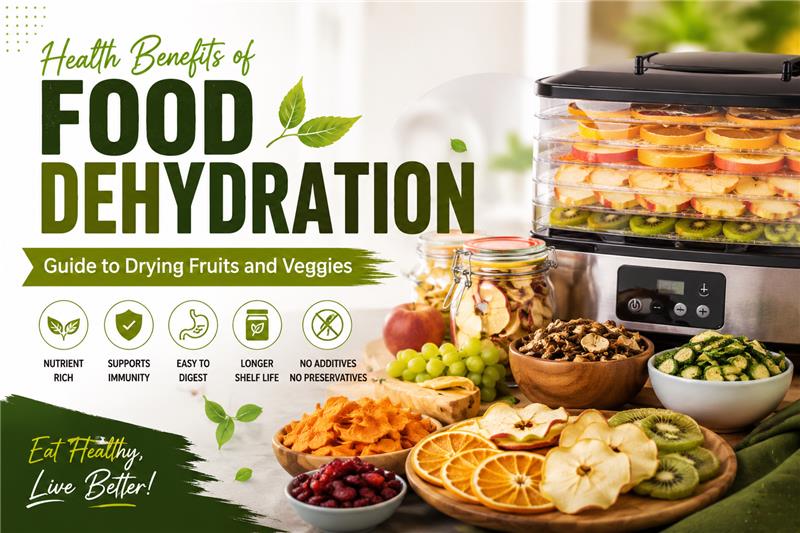
Health Benefits of Food Dehydration – Guide to Drying Fruits and Veggies
Having many summer berries or too much garden zucchini that you could not eat before they went bad? This is why many of us prefer to freeze food.
Food dehydration is a traditional way of saving food that people are starting to use again. And it is the best way to keep the good things in food, make the food taste better, and keep you from throwing away as much food. Beyond just extending shelf life, drying your own produce is a brilliant move for your health. Unlike store-bought dried snacks that are often packed with artificial preservatives and refined sugars, home-dehydrated foods lock in their natural vitamins, minerals, and fiber. It transforms fresh fruits and vegetables into nutrient-dense, guilt-free snacks.
If you are getting ready for a hiking trip or you just want to have food in your house that doesn’t have bad bacteria in it, this guide will tell you everything about food dehydration and the drying process for fruits and vegetables.
Why Dry Your Food? The Good Things About It
As you have already thought about it, drying food means keeping it dry by getting rid of the water. The reason? Well, when there is too much water inside the food, it will be the culprit for bad bacteria, yeast, and mold to grow.
In the easiest term, food dehydration is all about taking out 80% to 95% of the water inside the food. This means keeping your food safe for months or even years.
Here’s why you should dry your food.
- Keeping the Good Nutrients for You
Food dehydration is the most efficient way to keep all the good nutrients inside the food, not on the mold.
- Better Taste
Interestingly, the entire food dehydration process can make the sugars and flavors in fruits and vegetables stronger. The result? They will surely taste better.
- Save You Money
Purchase food in bulk when it is in season, and you can simply dry it. This way, you will save money all through the seasons, while having food that lasts longer.
- Space-Saving
Dried food doesn’t need a huge space to store for years, as it will be lighter and smaller.
The Hidden Health Benefits of Dehydrated Foods
When you remove the water from fruits and vegetables, you are not just preserving themyou are creating highly concentrated, nutrient-dense powerhouses. Here is how adding home-dehydrated foods to your diet can significantly boost your overall health.
1. Locks in Essential Nutrients and Enzymes
Unlike cooking, boiling, or canning, which use high temperatures that destroy delicate vitamins, dehydration uses a gentle, low-heat process. This slow drying method ensures that heat-sensitive nutrients like Vitamin C, Vitamin A, and vital plant enzymes remain intact. You get almost the exact same nutritional profile as the fresh produce, just in a smaller, chewier package.
2. 100% Natural with Zero Harmful Additives
If you check the back of a store-bought packet of dried fruit, you will often find added refined sugars, unhealthy seed oils, and chemical preservatives like sulfur dioxide (used to keep colors bright). When you dehydrate food at home, you have total control. Your snacks are 100% pure, natural, and free from artificial chemicals that can trigger allergies or disrupt your gut health.
3. Rich in Dietary Fiber for Gut Health
Water is removed during dehydration, but the dietary fiber stays exactly where it is. Fiber is crucial for a healthy digestive system, preventing constipation and feeding the good bacteria in your gut. Snacking on dried apples, carrots, or sweet potatoes is an excellent way to effortlessly increase your daily fiber intake.
4. A Concentrated Antioxidant Boost
Fruits like berries, cherries, and plums are famous for their antioxidants, which help your body fight off oxidative stress and inflammation. Because dehydration shrinks the produce, the antioxidants (like polyphenols) become highly concentrated. This means eating a small handful of dried blueberries can provide a massive boost to your immune system.
5. Curbs Junk Food Cravings
Dehydrated fruits naturally intensify in sweetness because their natural sugars are concentrated. This makes them the perfect, guilt-free substitute for candy or sugary desserts. Instead of reaching for processed chips or sweets when the afternoon craving hits, a handful of crispy dehydrated zucchini chips or chewy dried mangoes can keep you energized and satisfied without the sugar crash.
Choosing the Dehydrator Tools
What types of dehydrators work best?
- Vertical Flow Dehydrators
Feature trays that stack on top of each other and are completed with a fan at the bottom or top. These dehydrators are affordable; perfect if you are just starting out with food dehydration.
- Horizontal Flow Dehydrators
These dehydrators look similar to your kitchen oven and have a fan at the back. And the best part is that they can dry food evenly, so you don’t have to deal with the hassles of turning the trays around.
Steps to Fruit Dehydration
Follow the steps below to dehydrate your fruits.
- Pre-Treatment Phase
When you are at the pre-treatment phase, you have to make sure all your fruits are the same size. You can use a slicer tool to cut your fruits into the same-sized pieces and make them about a quarter of an inch thick.
For some fruits like apples and pears, you should do something before you start the fruit dehydration process. You have to dip your apples and pears in a mix of lemon juice and water before you will start dehydrating them.
- Load the Trays
Put the fruit slices on the trays in a layer. Make sure the fruit slices do not touch each other because the air needs to get around every part of the fruit slices to dry them.
- Temperature Settings
For the temperature settings, set your dehydrator to 135 degrees Fahrenheit. Then relax and let your time pass; it will take around six to twelve hours to completely dehydrate your fruits.
Steps of Dehydrating Vegetables
Dehydrating vegetables is quite challenging as they have more sugar and acid in them.
Here are the steps to follow.
- Perform the Blanching Step
Give your vegetables a quick dip in boiling water, then let them rest in an ice bath.
- Set up the right Temperature
Make sure you get a 125 degrees Fahrenheit temperature. This temperature will make all vegetables dry, brittle, and ready for your soups and stews.
The Moisture Reabsorption Problem
The biggest problem with drying food is not the drying part. It is what actually happens to your food after that.
You see, when food is completely dry, it will then require and absorb moisture from the air. This is called reabsorption. And the bad thing is that it can make your kale chips soft and your apricots moldy in a day.
This is where you need to perform food conditioning.
What is food conditioning?
Once you have dried all the food, never think of placing it straightaway in a glass jar or any container. Let your food completely cool down first in the open air.
Also, do not forget to regularly shake the jar every day for a week. If you see water on the inside of the jar, you will need to dehydrate the food again, for a bit longer time.
Storing Your Dry Food
Once your food is dried, you need to store it. The best way to keep food dry for a longer time is to keep it in an airtight container. Is it expensive? To save your food without spending a lot of money, cheap mylar bags are the best choice. They keep air and light out, keeping your dried food dry.
And don’t forget to choose the bags with an oxygen absorber to preserve your dried food and keep it fresh for a longer time.
Planning to ship your dried food package? Consider placing all those mylar bags in a sturdy bulk customized box packaging. This box provides better protection to make sure your packaged food stays safe all through the shipping journey.
The Takeaway
No doubt, food dehydration can really make your life easier when the seasons change. Be it for fruits or vegetables, drying them can eventually keep all the good nutrients for your body, not for the mold.
So, are you ready to save your food by drying it?
Other Articles You May Find of Interest...
- What a Weight Loss Clinic in Melbourne Can Do Before and After Your Surgery
- Cold Plunge or Sauna? What the Recovery Research Actually Shows
- How Personalized Weight Loss Programs Help Achieve Sustainable, Long-Term Results
- High-Fructose Foods to Limit and Lower-Sugar Alternatives
- Best High-Fiber Foods Chart for Better Digestive Health
- How Many Carbs Are in Turkey Bacon?
- 9 Healthiest Mushrooms to Eat