






More Weight Control, Nutrition & Exercise Articles
Enhance Your Flexibility with Effective Exercises for Suppleness
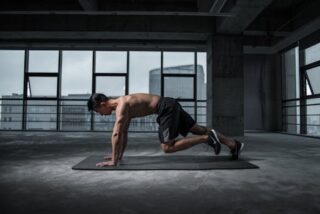
When it comes to enhancing overall health and physical performance, improving flexibility is a key component. Incorporating exercises for suppleness into your routine can significantly boost your range of motion, reduce stiffness, and decrease the risk of injuries. Whether you’re an athlete, a fitness enthusiast, or someone simply looking to improve day-to-day activities, understanding and practicing flexibility exercises is crucial.
What Are Exercises for Suppleness?
Exercises for suppleness are designed to improve the flexibility of muscles and joints. They help to lengthen and stretch muscles, making them more pliable. This type of exercise includes static stretches, dynamic stretches, and activities such as yoga, Pilates, and tai chi. Integrating these exercises into your fitness regimen can support a balanced and effective workout routine.
The Benefits of Practicing Flexibility Exercises
Regular flexibility training can provide several benefits, including:
- Increased range of motion
- Improved circulation
- Enhanced muscle coordination
- Reduced risk of injury
- Decreased muscle soreness
By improving your flexibility, you not only enhance your physical capabilities but also support mental well-being by reducing stress and tension.
Essential Exercises for Suppleness
Static Stretching
Static stretching involves extending a muscle to its farthest point and holding the position for a period of time. Common static stretches include the hamstring stretch, quad stretch, and shoulder stretch. These exercises are typically performed at the end of a workout to cool down and prevent muscle stiffness.
Dynamic Stretching
Unlike static stretches, dynamic stretching involves active movements that mimic the activity you are about to perform. Dynamic stretches like leg swings, arm circles, and torso twists are excellent for warming up the body and enhancing circulation.
Yoga
Yoga is an ancient practice that combines physical postures, breath control, and meditation. It is highly effective for improving flexibility, balance, and mental focus. Popular yoga poses for flexibility include the downward dog, warrior pose, and child’s pose.
Pilates
Pilates focuses on strengthening the core while improving flexibility and posture. This low-impact exercise uses precise movements to elongate and tone muscles. Incorporating Pilates into your routine can lead to better joint stability and overall body alignment.
Tai Chi
Tai Chi is a traditional Chinese martial art known for its smooth and flowing movements. It emphasizes grace and controlled breathing, making it a wonderful practice for enhancing suppleness, balance, and relaxation. Tai Chi’s gentle approach makes it accessible for individuals of all fitness levels.
Incorporating Flexibility Into Your Lifestyle
While exercises for suppleness are beneficial, developing a consistent routine is key to achieving lasting results. Start by incorporating a series of stretches after workouts or engage in a full yoga session several times a week. Gradually increase the intensity and duration as your flexibility improves.
Remember, you don’t have to make massive changes overnight. Even adding a few simple stretches to your daily routine can lead to significant improvements over time. For more tips on building active habits, visit our guide to starting an active lifestyle.
Final Thoughts on Exercises for Suppleness
Incorporating exercises for suppleness into your routine can transform your physical health and overall well-being. By regularly engaging in activities that promote flexibility, you can enjoy a fuller range of motion and enhanced mobility. Start small, stay consistent, and your body will thank you.
- Flexibility exercises enhance muscle and joint mobility.
- Regular practice can reduce the risk of injury.
- Dynamic and static stretching each plays a unique role.
- Yoga, Pilates, and Tai Chi can be effective for all levels.
- Consistency is key to sustainable improvements.
FAQ
Why is flexibility important?
Flexibility is important because it enhances the range of motion in your joints, which can improve performance in physical activities and decrease the likelihood of injuries.
How often should I perform flexibility exercises?
It is recommended to perform flexibility exercises two to three times per week, focusing on different muscle groups to ensure a well-rounded routine.
Can I improve my flexibility at any age?
Yes, flexibility can be improved at any age. Consistent practice, adjustments in technique, and patience are crucial for progress.
Are there any risks associated with flexibility training?
While flexibility training is generally safe, overstretching can lead to strains or injuries. Start slowly, listen to your body, and never stretch to the point of pain.
Where can I learn more about flexibility exercises?
For more information on flexibility exercises and their benefits, check out external resources like this health overview on Wikipedia.
Other Articles You May Find of Interest...
- Unlocking the Benefits of Dragon Fruit Seeds for Your Health
- The Recovery Advantage Elite Athletes Don’t Talk About Enough
- Is the B Positive Blood Type Diet Right for You? Discover the Benefits!
- Aging Actively: How the Right Exercise Routine Can Add Years to Quality of Life
- Can Zoloft Cause Weight Gain? Understanding the Effects on Your Body
- Can Sugar Trigger Headaches? Exploring the Link Between Sugar Headaches and Pain Relief
- How to Convert 100.4°F to Celsius for Accurate Health Monitoring




