






More Weight Control, Nutrition & Exercise Articles
Discover the Health Benefits and Nutritional Value of Barley
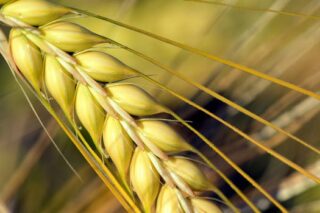
Barley is more than just an ancient grain; it’s a powerhouse of nutrients that can enhance your diet in numerous ways. When examining barley nutrition facts, this versatile grain stands out due to its rich fiber content, essential vitamins, and minerals. Whether you’re adding it to soups, salads, or enjoying it as a side dish, barley’s health benefits are worth understanding and incorporating into your daily meals.
Understanding Barley Nutrition Facts
Barley is an excellent source of dietary fiber, which aids in digestion and helps maintain a healthy weight. One cup of cooked barley provides about 6 grams of fiber, making it an integral component of a balanced diet. Additionally, barley is high in vitamins such as B vitamins (including niacin, thiamin, and riboflavin), which play vital roles in energy production and red blood cell creation. The mineral content is also noteworthy, with high levels of manganese, selenium, and magnesium contributing to overall health and wellness.
The Health Benefits of Barley
Incorporating barley into your diet can promote various health benefits. Due to its high fiber content, barley may help lower cholesterol levels, which can support cardiovascular health. Moreover, beta-glucans in barley have been studied for their potential to improve blood sugar control, making it a valuable food choice for those managing diabetes.
For individuals focused on weight management, barley’s low-calorie yet nutrient-dense profile can aid in feeling full and satisfied. Explore more about this aspect in our article on building blocks of a balanced diet.
Barley Food Value: A Closer Look
Barley food value extends beyond just fiber and vitamins. It’s also a great source of antioxidants, which are compounds that help protect cells from damage by free radicals. Regular consumption of barley can enhance the body’s defense mechanisms against various illnesses.
Protein is another significant component of barley, contributing to muscle repair and growth. While not as high as meats, its plant-based protein is essential for vegetarians and vegans seeking to diversify their protein sources. Including barley in meals is an effective way to meet daily protein requirements without consuming excess calories.
How to Enjoy Barley in Your Diet
Barley is versatile and can be integrated into numerous dishes. Here are a few ideas:
- Add cooked barley to your morning oatmeal for a nutritious start to your day.
- Mix barley into soups and stews to enhance their texture and nutritive value.
- Combine barley with vegetables and legumes for a hearty salad.
- Use barley as a substitute for rice or pasta in your favorite recipes.
These simple suggestions highlight how easy it is to enhance your diet with barley while enjoying its delicious taste and health benefits.
Additional Resources on Barley Nutrition
If you’re interested in further understanding the value of barley and its role in a healthy diet, the Health page on Wikipedia provides comprehensive information on the broader context of health and nutrition.
As you explore barley nutrition facts, consider how this grain can complement your dietary needs and contribute to your overall well-being. Its unique combination of fiber, vitamins, and minerals offers numerous benefits that are supported by ongoing research.
- Barley is high in fiber and helps with digestive health.
- It supports cardiovascular health by potentially lowering cholesterol.
- Barley’s nutrients aid in blood sugar regulation.
- The grain is a good source of antioxidants and plant-based protein.
- Barley can be easily incorporated into various meals.
What are the main nutrients found in barley?
Barley is rich in fiber, vitamins such as B-complex, and minerals like manganese, selenium, and magnesium.
How can barley help with weight management?
Barley is low in calories but high in fiber, which can help you feel full longer and support weight management efforts.
Is barley suitable for a gluten-free diet?
No, barley contains gluten and should be avoided by those with celiac disease or gluten sensitivity.
What are some ways to include barley in meals?
Barley can be added to soups, stews, salads, and used as a substitute for rice or pasta as part of varied and nutritious meals.
Does consuming barley aid in heart health?
Yes, the soluble fiber in barley can help reduce cholesterol levels, which supports heart health.
Other Articles You May Find of Interest...
- Unlocking the Benefits of Dragon Fruit Seeds for Your Health
- The Recovery Advantage Elite Athletes Don’t Talk About Enough
- Is the B Positive Blood Type Diet Right for You? Discover the Benefits!
- Aging Actively: How the Right Exercise Routine Can Add Years to Quality of Life
- Can Zoloft Cause Weight Gain? Understanding the Effects on Your Body
- Can Sugar Trigger Headaches? Exploring the Link Between Sugar Headaches and Pain Relief
- How to Convert 100.4°F to Celsius for Accurate Health Monitoring




