






More Weight Control, Nutrition & Exercise Articles
Are There Hidden Drawbacks to Eating Brown Rice?
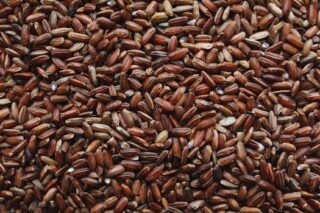
Brown rice is often hailed as a healthier alternative to white rice, known for its higher fiber content and nutrient density. However, some individuals are concerned about the potential drawbacks of its consumption. In this article, we’ll explore the disadvantages of eating brown rice, helping you make an informed decision about incorporating it into your diet.
Understanding the Disadvantages of Eating Brown Rice
Although brown rice offers several health benefits, it’s important to be aware of some of its potential disadvantages. These include concerns about arsenic levels, digestibility issues, and its effect on nutrient absorption. Let’s delve deeper into these aspects.
Arsenic Levels in Brown Rice
One of the primary concerns is the presence of arsenic in brown rice. Arsenic is a naturally occurring element that can contaminate groundwater, leading to its presence in rice crops. Brown rice tends to have higher levels than white rice because arsenic builds up in the outer layers, which are removed in white rice processing. Long-term exposure to arsenic through diet may pose health risks, including an increased risk of certain cancers.
To minimize arsenic intake, consider varying your grains and opting for rice from regions with lower arsenic contamination. For more on this issue, you can check out this FDA resource on arsenic in food.
Digestibility Issues
Another potential drawback of eating brown rice is its digestibility. The high fiber content can be a double-edged sword. While fiber is beneficial for many, aiding in digestion and helping with satiety, some individuals may find it difficult to digest. Those with sensitive stomachs or certain gastrointestinal conditions might experience discomfort or bloating.
Impact on Nutrient Absorption
Phytic acid is a compound found in the bran of brown rice, and it can bind to certain minerals such as iron, zinc, and calcium, making them less available for absorption by the body. For individuals relying heavily on rice or those with mineral deficiencies, this could become a nutritional concern. However, soaking or sprouting brown rice before cooking can help reduce phytic acid levels.
Caloric Considerations
While brown rice is nutrient-dense, it’s also slightly higher in calories compared to white rice. For those focused on calorie control or weight management, portion size becomes important. Understanding safe and effective approaches to weight loss can help navigate these concerns, as discussed in this article on weight loss strategies.
Taste and Texture
Lastly, brown rice has a distinctly different taste and texture compared to white rice, which may not appeal to everyone. Its nuttier flavor and chewier texture might require adjustments in recipes or taste preferences.
Ideal Consumption
Despite these disadvantages, brown rice remains a healthy choice for many. It provides essential nutrients and can be part of a balanced diet when consumed in moderation. Assessing personal health goals and dietary needs can guide decisions on how much brown rice to include in meals.
- Brown rice contains higher arsenic levels compared to white rice.
- Its high fiber content might cause digestive issues for some.
- Phytic acid in brown rice may affect mineral absorption.
- Caloric content is slightly higher, impacting calorie-controlled diets.
- Flavor and texture may vary from personal preferences.
Frequently Asked Questions
Is brown rice healthier than white rice?
Brown rice is nutritionally denser, offering more fiber and micronutrients, whereas white rice is easier to digest. The choice depends on dietary needs and preferences.
How can I reduce arsenic levels in brown rice?
Rinsing brown rice thoroughly and cooking it with a higher water-to-rice ratio, then draining excess water, can help reduce arsenic levels.
Can everyone safely consume brown rice?
Most individuals can enjoy brown rice, but those with digestive sensitivities or a need for mineral-rich diets might consider moderation or preparation adjustments.
Does brown rice help with weight loss?
Brown rice can support weight loss by providing fiber that aids in fullness, but portion sizes and overall diet composition are key factors in weight management.
What are the other dietary options to avoid arsenic?
Consider diversifying grains with options like quinoa, barley, or oats, which are generally lower in arsenic and offer a variety of nutrients.
By understanding the potential disadvantages of eating brown rice, you can tailor your dietary choices to fit your nutritional goals and lifestyle preferences while enjoying the benefits it provides.
Other Articles You May Find of Interest...
- Is the B Positive Blood Type Diet Right for You? Discover the Benefits!
- Aging Actively: How the Right Exercise Routine Can Add Years to Quality of Life
- Can Zoloft Cause Weight Gain? Understanding the Effects on Your Body
- Can Sugar Trigger Headaches? Exploring the Link Between Sugar Headaches and Pain Relief
- How to Convert 100.4°F to Celsius for Accurate Health Monitoring
- Is Milk Gluten Free? Discover the Truth About Dairy and Dietary Restrictions
- Mastering the Sniff Test for Better Health Insights




