






Your Health Magazine
4201 Northview Drive
Suite #102
Bowie, MD 20716
301-805-6805
More Vision & Eye Care Articles
When Cataracts Start Affecting Your Vision, It May Be Time to Consider Surgery
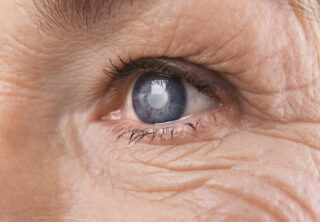
Many people assume that worsening vision is simply a normal part of aging. Glasses get stronger, night driving becomes more difficult, and colors seem a little duller than they once were. While some vision changes are normal, cataracts are one of the most common – and treatable – causes of vision loss in adults.
A cataract occurs when the natural lens of the eye becomes cloudy, gradually blocking light and making it harder to see clearly. For many people experiencing these symptoms, modern treatments such as cataract surgery in Long Beach offer a safe and highly effective way to restore clear vision and improve daily life.
Understanding What Cataracts Do to Your Vision
The lens inside the eye works much like the lens of a camera, focusing light so the brain can create clear images. When cataracts develop, proteins inside the lens begin to break down and clump together, creating cloudy areas that interfere with vision.
Early cataracts may cause only mild symptoms. People often notice that lights appear brighter or that glare becomes more bothersome, especially when driving at night. Over time, the cloudiness increases and vision may become blurred or hazy.
Common symptoms of cataracts include:
- Blurry or cloudy vision
- Increased sensitivity to light
- Difficulty seeing at night
- Fading or yellowing of colors
- Frequent changes in eyeglass prescriptions
- Seeing halos around lights
Because cataracts usually develop slowly, many people adapt to the changes without realizing how much their vision has declined.
Cataracts Are Extremely Common
Cataracts are one of the leading causes of vision problems worldwide, particularly among adults over age 60. In fact, by the time people reach their 70s, the majority will develop some level of cataract formation.
Several factors can increase the likelihood of developing cataracts, including:
- Natural aging
- Diabetes
- Smoking
- Long-term exposure to ultraviolet (UV) light
- Eye injuries
- Long-term use of certain medications such as corticosteroids
While cataracts cannot be reversed with medication or eye drops, the good news is that they can be treated very effectively with surgery.
When Cataract Surgery Becomes the Right Option
In the early stages, stronger lighting, anti-glare lenses, or updated eyeglass prescriptions may help manage symptoms. Eventually, however, cataracts can interfere with everyday activities such as reading, driving, working, or recognizing faces.
When vision problems begin to affect quality of life, ophthalmologists often recommend surgery to remove the cloudy lens and replace it with a clear artificial lens called an intraocular lens (IOL).
Cataract surgery is now one of the most commonly performed medical procedures in the United States and has an extremely high success rate.
What Happens During Cataract Surgery
One reason many patients feel comfortable choosing cataract surgery is that the procedure is typically quick and minimally invasive.
The surgery usually takes less than 30 minutes and is performed on an outpatient basis. Patients return home the same day.
During the procedure, the surgeon:
- Makes a tiny incision in the eye
- Uses specialized technology to break up the cloudy lens
- Removes the cataract fragments
- Inserts a clear artificial lens to restore focusing ability
Because the incision is extremely small, stitches are often unnecessary and healing begins quickly.
Patients are typically awake during the procedure but receive numbing medication and mild sedation to remain comfortable.
Recovery and Visual Improvement
Most people notice improvement in their vision within a few days, although full healing may take several weeks. Doctors usually recommend avoiding strenuous activity and protecting the eye while it heals.
Eye drops are prescribed to prevent infection and reduce inflammation. Follow-up visits ensure the eye is recovering properly.
Many patients are surprised by how much brighter and sharper their vision appears after surgery. Colors often look more vibrant, and tasks like reading or driving become easier again.
For people who had significant cataracts, the difference can feel dramatic.
Advances in Modern Lens Technology
Today’s cataract procedures also allow patients to choose from several types of replacement lenses depending on their vision goals.
Options may include:
Monofocal lenses – Designed to correct vision at one distance, usually far away.
Toric lenses – Used to correct astigmatism.
Multifocal or extended depth lenses – Allow patients to see clearly at multiple distances, potentially reducing the need for glasses.
An ophthalmologist can help determine which option is best based on the patient’s eye health and lifestyle.
Protecting Your Vision Going Forward
Although cataract surgery permanently removes the cloudy lens, maintaining good eye health remains important.
Eye specialists recommend several habits to protect long-term vision:
- Schedule regular comprehensive eye exams
- Wear sunglasses that block UV rays
- Manage health conditions such as diabetes
- Avoid smoking
- Maintain a healthy diet rich in leafy greens and antioxidants
Regular eye care helps detect changes early and ensures that vision remains as strong as possible over time.
Clear Vision Can Change Everyday Life
Vision affects nearly every part of daily life – from reading and working to enjoying time with family and staying active. When cataracts begin to interfere with those experiences, treatment can make a meaningful difference.
Many patients report that restoring clear vision improves confidence, independence, and overall quality of life.
If you or someone you love has been experiencing symptoms of cataracts, speaking with an experienced eye specialist can help determine whether treatment options such as cataract surgery may be appropriate.
Modern eye care continues to advance, offering patients safe and effective solutions that help them see the world clearly again.
Other Articles You May Find of Interest...
- When Cataracts Start Affecting Your Vision, It May Be Time to Consider Surgery
- Living with Quadrantanopia: Strategies for Daily Life and Vision Management
- Sandpaper Eyes? Why the Samsung S26 Series is 2026’s Real Winner for Vision Health
- Stye or Pink Eye: How to Identify and Treat These Common Eye Conditions
- Mastering the Application of Erythromycin Eye Ointment for Optimal Eye Health
- Vision Problems After a Concussion: Symptoms to Watch For
- The 20-20-20 Rule Works: Building a Family Eye Care Routine That Sticks




