More Vision & Eye Care Articles
Relieving Dry Eye Symptoms: The Role of Artificial Tears for Pinguecula
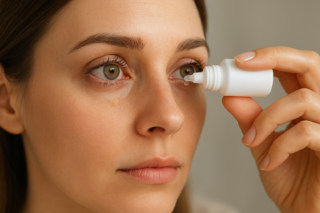
Struggling with persistent eye irritation while trying to manage pinguecula? The importance of eye drops, particularly artificial tears, can often be overlooked. For many people, artificial tears for pinguecula provide much-needed relief. Understanding how these eye drops help can be a crucial step in managing your symptoms effectively.
Understanding Pinguecula and Eye Dryness
Pinguecula is a common eye condition characterized by a benign growth on the conjunctiva, the thin, clear layer of tissue that covers the white part of your eye. Though typically harmless, pinguecula can lead to dryness and irritation, making everyday tasks like reading or using a computer uncomfortable.
Many individuals experience relief from dryness and irritation by using artificial tears. These eye drops mimic natural tears, providing moisture to alleviate the uncomfortable symptoms often associated with pinguecula.
How Artificial Tears for Pinguecula Provide Relief
Artificial tears are specially formulated eye drops designed to lubricate and hydrate the surface of the eye. By supplementing the moisture naturally present in your eyes, they can ease the dryness and irritation caused by pinguecula.
They can be used as needed throughout the day whenever you feel symptoms coming on—whether it’s the gritty, sandy feeling in your eyes or noticeable dryness. This practical solution can help improve eye comfort and maintain a better quality of life.
Choosing the Right Eye Drops for You
The market offers a variety of artificial tears, with some featuring added ingredients like viscosity agents to prolong moisture retention. It’s essential to select a brand that best suits your specific needs, and a conversation with an eye care provider can be incredibly helpful.
Considerations include whether you’ll need preservative-free formulations, especially if you require frequent applications, to avoid any potential irritation from preservatives.
Real-World Use and Expectation
Integrating artificial tears into your daily routine can be seamless. For those who spend significant time in front of screens or in dry environments, carrying a small bottle of eye drops offers a way to manage symptoms proactively. Consistent use can help minimize disruptions caused by dry, irritated eyes in everyday activities or work settings.
When to Seek Care
If you find that artificial tears are not providing relief, or if you experience symptoms like significant changes in vision or persistent pain, it’s time to consult with a healthcare provider. An optometrist or ophthalmologist can assess your condition and determine if additional treatment options are necessary.
Early intervention in cases where symptoms worsen can prevent more serious complications and help maintain your eye health effectively.
Related Health Considerations
Although artificial tears can alleviate dryness, it’s crucial to address other lifestyle factors that may contribute to eye irritation. For example, environmental adjustments like using a humidifier or taking regular breaks from screens can be beneficial. It’s also helpful to avoid direct exposure to wind and sunlight, as these can further irritate the eyes.
Engaging in discussions with an eye care professional about a comprehensive eye care plan can ensure you’re managing pinguecula and dryness effectively.
For more detailed information on dry eye management, you can explore resources such as MedlinePlus’s guide on dry eye.
Takeaways
- Artificial tears mimic natural tears, providing moisture and relief for dry eyes caused by pinguecula.
- A discussion with an eye care provider can help determine the best type of artificial tears for your needs.
- Environmental factors like screen time and humidity also impact dry eye symptoms and should be managed accordingly.
- Seek professional evaluation if symptoms worsen or if there’s a sudden change in vision.
- Consistency in using artificial tears can enhance comfort and eye health daily.
Common Questions
When should I see a doctor regarding my pinguecula?
If you’ve been using artificial tears and still experience significant discomfort or changes in vision, it’s crucial to see an optometrist or ophthalmologist. Early professional intervention can prevent complications.
What type of provider treats eye conditions like pinguecula?
An optometrist or an ophthalmologist is typically qualified to diagnose and manage eye conditions, including pinguecula. They can offer tailored advice and treatment options based on your specific symptoms and eye health.
Can environmental changes help manage my dry eyes?
Yes, minimizing screen time, increasing humidity, and avoiding wind or smoke exposure can all help reduce the symptoms of dry eyes associated with pinguecula.
Are there any side effects to using artificial tears?
Most people tolerate artificial tears well, but occasionally, some may experience mild irritation, especially if the drops contain preservatives. If you notice discomfort, consider switching to a preservative-free option and consult with your doctor.
What lifestyle tips can support eye health with pinguecula?
Regular breaks from screens, wearing sunglasses outdoors, and staying hydrated can all support better eye health and reduce the symptoms associated with pinguecula.
For individuals dealing with infertility challenges, taking a look at related articles, such as Beyond Fertility: A Holistic Approach, may offer broader insight into associated health concerns.
Incorporating artificial tears for pinguecula can significantly enhance the comfort and quality of life for those dealing with this common eye issue.
Other Articles You May Find of Interest...
- Smart Glasses With Prescription Lenses: Fit, Comfort and Everyday Use
- Can Blepharoplasty Improve Peripheral Vision? What Patients Should Know
- What Causes Blood Clots in the Eye?
- Can You Have Laser Eye Surgery With Glaucoma?
- Why Are Contact Lens Users Asked to Stop Wearing Lenses before Laser Eye Surgery Tests?
- What Credentials to Look for When Searching for the Right Eye Doctor in New York
- New Flashes, Floaters, or a Shadow in Your Vision: When to Seek Prompt Eye Care